

Cars & Driving

The Monthly Car Check Every Driver Should Do

Share
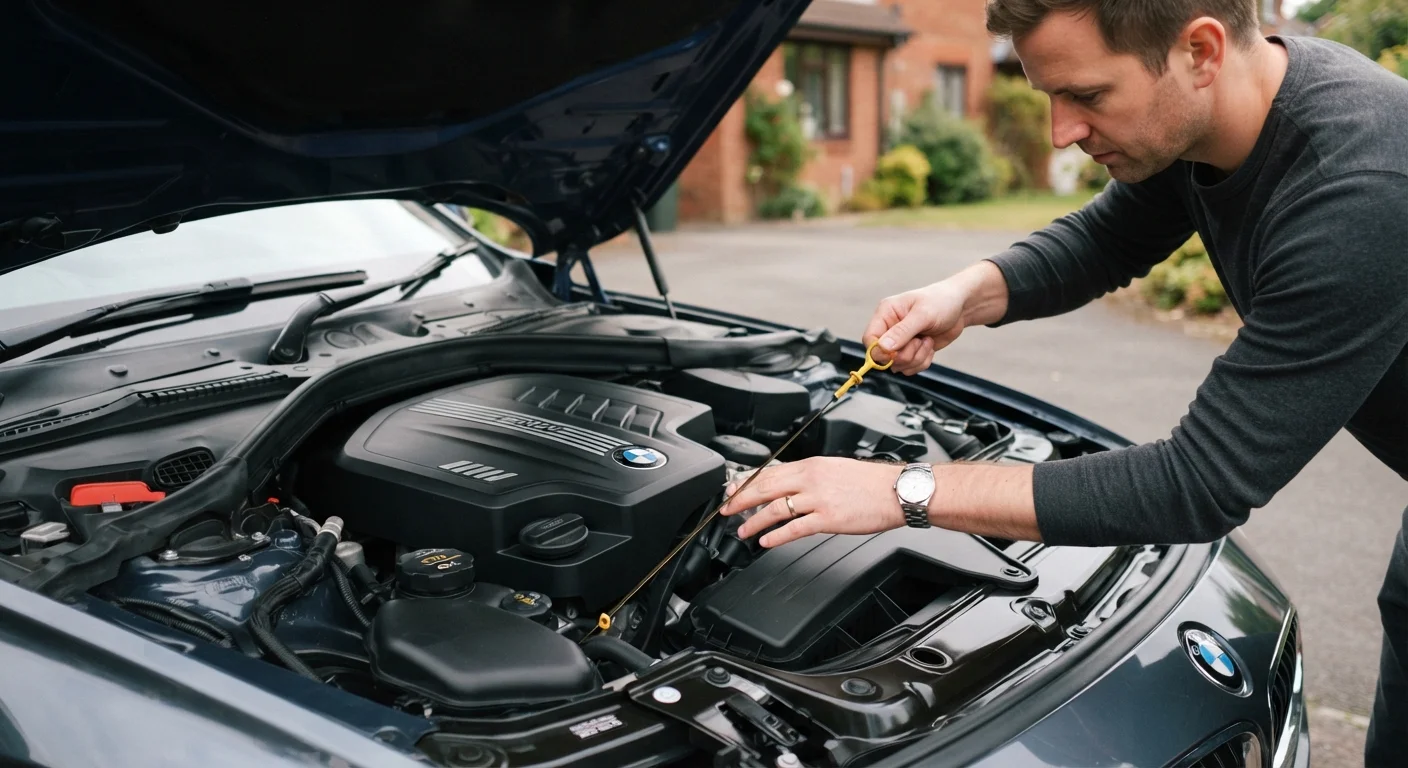
A driver leaning over an open car hood to inspect the engine in a sunny driveway

Key Takeaways

Most monthly car checks require no tools and take under 20 minutes to complete.
Catching small issues early — like low oil or a dim bulb — typically costs far less than fixing the result of ignoring them.
Tyre pressure, fluid levels, and lights are the three areas most likely to cause problems if overlooked.
Your owner's manual is the definitive source for fluid specs and service intervals specific to your vehicle.
If anything looks or smells unusual, have a qualified mechanic inspect it before the problem worsens.
10–20 min

Summary

18 items · 10–20 minutes

Why a Monthly Check Is Worth 20 Minutes of Your Time

Most car problems don't appear out of nowhere. A slow tyre leak, a brake fluid level dropping over time, a headlight filament dimming before it fails — these things develop gradually. A quick monthly walk-around puts you in a position to notice them early, when your options are cheaper and more plentiful.

You don't need to be a mechanic to do this. The checks below are visual and tactile — no diagnostic equipment, no ramps, no specialist knowledge required. If you're new to owning a car, this routine pairs well with a broader introduction to car maintenance that covers the bigger picture of keeping a vehicle roadworthy.

Set a recurring reminder on the first weekend of each month. Do it in daylight, on level ground, with the engine cold for at least the fluid checks. The whole process should take between 10 and 20 minutes.

Tyres

Check tyre pressure on all four tyres (and the spare, if accessible) using a pressure gauge, comparing to the figure in your owner's manual or door-jamb sticker. Must
Inspect each tyre's tread depth — the legal minimum in the US is 2/32 of an inch, but replacing well before that point improves wet-weather grip and braking distance. Must
Look for visible damage such as cuts, bulges, embedded nails, or cracking in the sidewall; any of these warrant a professional inspection before driving further. Must
Check for uneven tread wear across the tyre surface, which can indicate alignment or inflation issues worth investigating. Should

Fluid Levels

Check engine oil by pulling the dipstick, wiping it clean, reinserting fully, then pulling again — the oil level should sit between the min and max markers. Must
Inspect the coolant reservoir level through the translucent plastic tank and top up with the correct coolant type if below the minimum line. Must
Check the brake fluid reservoir level; if it has dropped noticeably, have the braking system inspected by a mechanic rather than simply topping up. Must
Top up the windshield washer fluid reservoir — a full reservoir ensures visibility in any weather condition at no mechanical risk. Should
Visually inspect the power steering fluid reservoir if your vehicle has hydraulic (not electric) power steering. Nice to have

Lights and Electrics

Test all exterior lights — headlights (low and high beam), brake lights, reverse lights, and turn signals — ideally with a helper or by using a reflective surface. Must
Check that hazard warning lights activate and flash on all four corners. Should
Note any dashboard warning lights that are illuminated and look them up in your owner's manual if unfamiliar. Must

Exterior and Underbody

Walk around the entire car looking for new dents, scratches, or bodywork damage that could expose bare metal to rust. Should
Check under the car for any fluid spots or puddles on the ground where the vehicle was parked — water from the air conditioning is normal, but oil, coolant, or brake fluid is not. Must
Inspect wiper blades by running them on a wet screen; replace them if they streak, skip, or leave uncleared arcs. Should

Interior and Safety Equipment

Verify that your registration, proof of insurance, and any other required documents are current and stored in the vehicle. Must
Check that your horn works by pressing it briefly in a safe, non-residential area. Should
Confirm your first-aid kit, emergency triangle or flares, and any roadside kit items are present and in usable condition. Nice to have

What to Do If You Find Something Wrong

Not every issue you find needs an emergency trip to a garage. A slightly low washer fluid level is a simple top-up. A bulb replacement on most modern cars is inexpensive and straightforward. But some findings — oil that looks milky or smells of fuel, a tyre with visible cord or sidewall damage, brake fluid that has dropped noticeably since last month — warrant prompt professional attention.

Brake Fluid Drop Is a Warning Sign

A noticeable drop in brake fluid level between monthly checks can indicate a leak in the braking system — not just normal consumption. Do not simply top the fluid up and continue driving. Have a qualified mechanic inspect the brakes before the vehicle is used further. Brake system faults can affect your ability to stop safely.

When in doubt, book a mechanic's inspection rather than waiting to see if things get worse. Knowing when to DIY and when to call a professional can save you both money and risk. For the fluid checks specifically, always refer to your owner's manual for the correct spec — the wrong type of coolant or brake fluid can cause damage. Your owner's manual contains manufacturer-specific guidance that no general checklist can replace.

Required

Tyre Pressure Gauge

Measures tyre inflation accurately so you can compare it against your vehicle's recommended pressure.

Required

Clean Lint-Free Rag

Used to wipe the dipstick clean before taking an oil level reading.

Optional

Torch or Flashlight

Helps illuminate the engine bay, underneath the car, and tyre sidewalls in poor light conditions.

Required

Owner's Manual

Provides vehicle-specific fluid types, tyre pressure specifications, and service interval guidance.

Keeping a simple log — even a note on your phone — of what you checked and what you found each month makes it much easier to spot trends and gives a mechanic useful context at service time. Consistent monthly checks are one of the most practical habits covered in any guide to keeping running costs under control without compromising safety.

Never Check Fluids on a Hot Engine

Coolant is under pressure when hot — removing the reservoir cap on a warm engine can cause scalding fluid to escape. Always allow the engine to cool for at least 30 minutes before opening any fluid reservoir. Oil readings are also more accurate on a cold engine after the oil has settled back into the sump.

Tyre Damage Isn't Always Visible

Internal tyre damage from a pothole or kerb strike may not show on the outer surface. If your car pulls to one side, vibrates at speed, or the steering feels different after an impact, have the tyres and alignment checked by a professional even if they look fine from the outside.

Cars & Driving Editorial Team is the collective byline for our editorial team and contributor network. Articles published under this byline or an editorial pen name are researched, written, and reviewed according to our editorial standards for clarity, consistency, and independence before publication.

View all articles by Cars & Driving Editorial Team →
Disclaimer: The content provided on our blog site traverses numerous categories, offering readers valuable and practical information. Readers can use the editorial team’s research and data to gain more insights into their topics of interest. However, they are requested not to treat the articles as conclusive. The website team cannot be held responsible for differences in data or inaccuracies found across other platforms. Please also note that the site might also miss out on various schemes and offers available that the readers may find more beneficial than the ones we cover.