

Key Takeaways
Why Cost Control and Safety Pull in the Same Direction
Many drivers assume that cutting car expenses means accepting some compromise on safety or reliability. In practice, the opposite is usually true. The habits that keep a vehicle mechanically sound are the same ones that prevent costly breakdowns and repair bills.
Neglecting basic upkeep - skipping tyre checks, ignoring fluid levels, stretching service intervals - tends to create compounding problems. A small issue caught early is almost always cheaper to fix than a large one caught late. And a well-maintained car is a safer car to drive.
This guide covers the practical habits that deliver on both fronts. For a broader look at what regular upkeep actually involves, routine maintenance every car owner should know about is a solid starting point.
The Core Practices That Pay Off
The habits below are ordered by how directly they affect both your wallet and your safety. None require specialist tools or mechanical knowledge - just consistency.
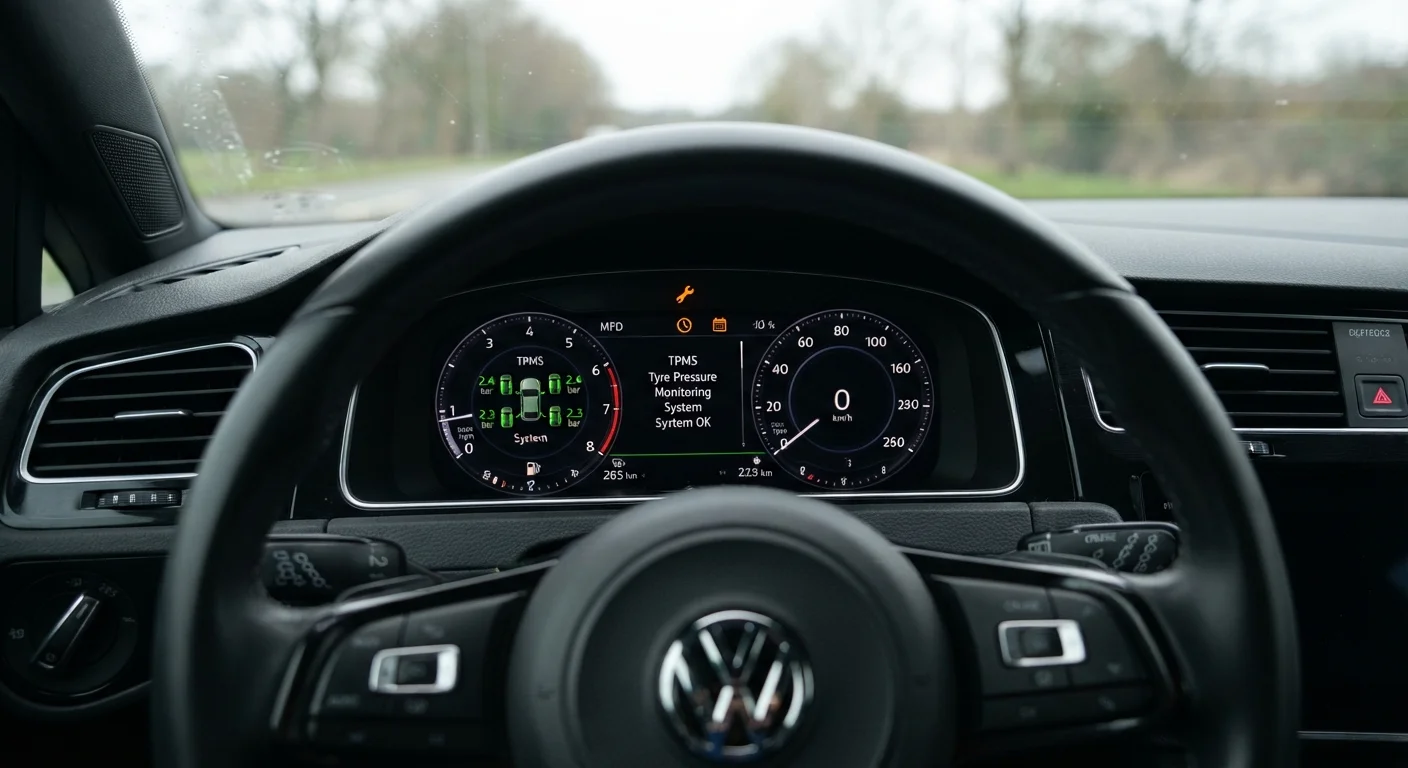
Check tyre pressure every two to four weeks and before long journeys.
Under-inflated tyres increase rolling resistance, which burns more fuel. They also wear unevenly and are more prone to blowouts - a genuine safety hazard. Keeping pressure at the manufacturer's specified level (found in the owner's manual or door jamb sticker) addresses both problems at once.
Follow your vehicle's manufacturer-recommended service schedule, not guesswork.
Service intervals are engineered around your specific engine, fluids, and components. Stretching them to save money can allow oil to degrade, filters to clog, and wear to accelerate - turning a routine service cost into a major repair bill.
Drive smoothly - accelerate gently and brake early rather than sharply.
Aggressive acceleration and hard braking are among the biggest drains on fuel economy and are tough on brake pads, tyres, and drivetrain components. Smoother inputs reduce wear across multiple systems simultaneously.
Monitor fluid levels - oil, coolant, and brake fluid - at regular intervals.
Low engine oil causes increased friction and accelerated wear; low coolant risks overheating; low brake fluid can indicate a leak, which is a direct safety concern. Catching these early is almost always cheaper and safer than dealing with the consequences.
Keep tyres rotated according to the schedule in your owner's manual.
Front and rear tyres wear at different rates depending on whether the car is front-, rear-, or all-wheel drive. Rotating them at recommended intervals evens out wear and extends the life of the full set - delaying a costly replacement.
Address warning lights and unusual noises promptly rather than ignoring them.
Dashboard warning lights and unfamiliar sounds are early signals from your vehicle's systems. Delaying investigation rarely makes the underlying issue go away - it usually allows it to worsen, increasing repair costs and, in some cases, creating safety risks.
A Note on DIY vs. Professional Work
Many basic checks - tyre pressure, fluid levels, lights - can be done at home without specialist tools. However, any task involving brakes, suspension, steering, or electrical systems should be handled by a qualified mechanic. Attempting complex repairs without proper training risks personal injury and can make underlying problems worse.
If you're new to car ownership and want a structured introduction, getting to grips with car maintenance as a new driver covers the essentials in plain language.
Quick Wins You Can Act On Today
You don't need to overhaul your entire routine at once. Starting with a few targeted actions builds the habit gradually and delivers real results quickly.
For a structured monthly routine that covers many of these checks in one go, see the monthly car check every driver should do - it takes under 20 minutes and requires no tools.
And if you're unsure what your vehicle specifically requires, your owner's manual is the most accurate source for service schedules, fluid specifications, and tyre pressure figures.
“The most expensive repair is almost always the one you could have caught early with a simple check. Preventive maintenance isn't about spending more - it's about spending smarter.”
— Cars & Driving Editorial Team, Automotive writers and vehicle ownership educators
Spending Smarter, Not Less
Some perceived savings actually cost more in the long run. Running tyres beyond their safe tread life to avoid buying a set early, or skipping an oil change to save the service fee, are the kinds of decisions that tend to result in larger expenses - and in the case of worn tyres or degraded brakes, genuine safety risk.
It's also worth revisiting common assumptions about what your car needs. car ownership myths that cost people money addresses several widely held beliefs that turn out to be inaccurate - and expensive.
The consistent message across all of these habits is straightforward: a small, regular investment of attention keeps running costs predictable and keeps you safer on the road. Neither goal requires sacrificing the other.
This article provides general information for educational purposes. Always consult a qualified mechanic for diagnosis and repair of specific vehicle issues. Refer to your vehicle's owner's manual for manufacturer-specific guidance.