

Key Takeaways
Start here
Why Solo Cultural Travel Is Worth It
Next
Choosing the Right Destination for Your First Trip
Then
Planning With Culture at the Center
Before you go
Navigating Etiquette and Avoiding Common Missteps
On arrival
Making Meaningful Connections on the Ground
Why Solo Cultural Travel Is Worth It
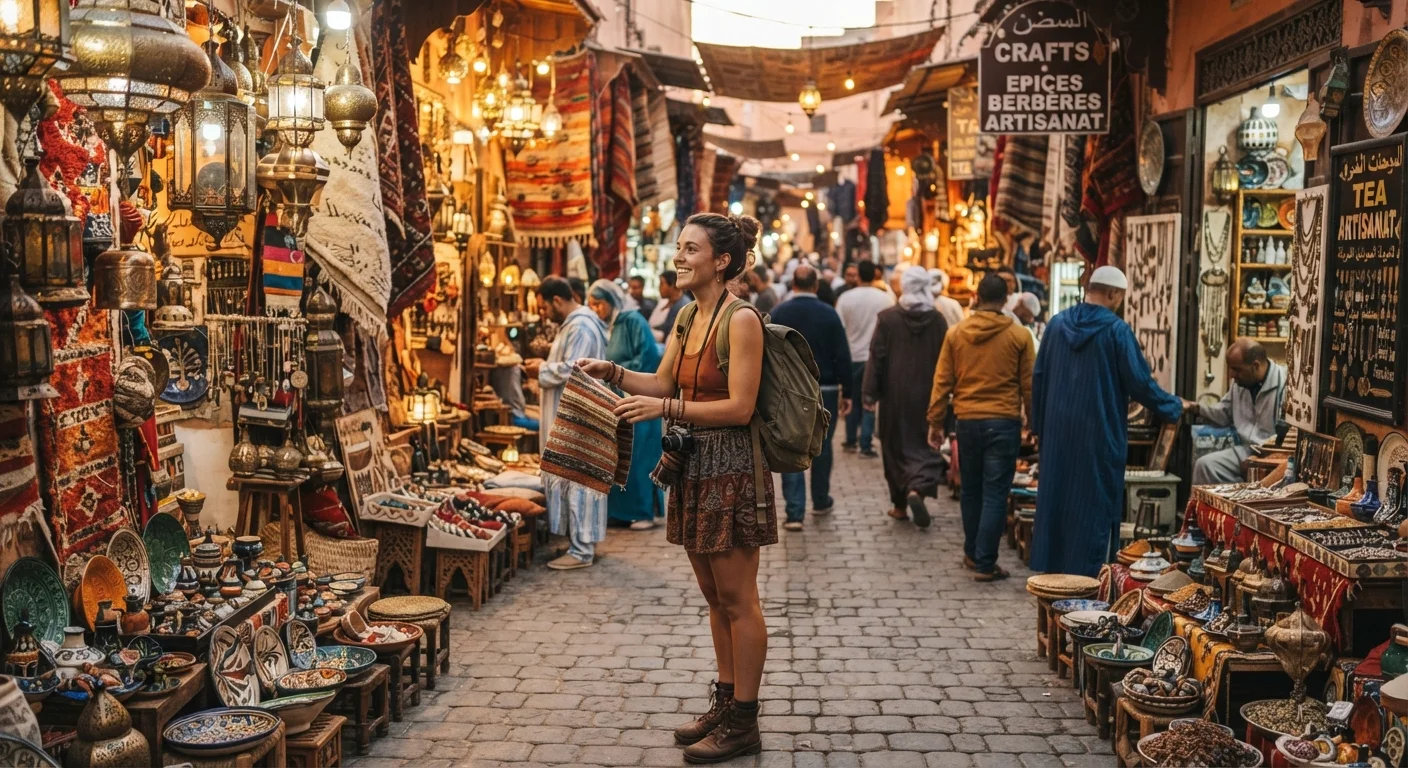
There's a particular kind of freedom that arrives the moment you realize your itinerary belongs entirely to you. No negotiating over museums vs. beaches. No rushing because someone else has a flight. Solo cultural travel strips away the compromises and leaves you face-to-face with exactly what drew you to travel in the first place: genuine curiosity about how other people live.
That curiosity is the engine. When you're alone, you're also more approachable - locals and fellow travelers are far more likely to strike up a conversation with a solo explorer than with a group. You linger longer at things that fascinate you, wander into neighborhoods that weren't in the guidebook, and absorb a place on its own terms.
If you're weighing your options, our guide on what changes when you travel solo vs. with others walks through how each approach shapes the planning process from the start.
Start With One Cultural Goal
Before planning a single flight or hotel, write down one specific cultural experience you want to have - attend a traditional ceremony, learn a local dish, visit a living craft tradition. That single intention will shape everything else and keep your trip focused even when logistics get complicated.
Choosing the Right Destination for Your First Trip
Not every destination is equally welcoming to a first-time solo cultural traveler - and that's okay. The goal isn't to start with the most challenging place on your list; it's to build confidence while still having a genuinely immersive experience.
Look for destinations with these qualities:
- Established solo-travel infrastructure: decent public transport, clear signage, and a range of accommodation types including social hostels and guesthouses.
- Cultural richness that matches your interests: historic architecture, food traditions, festivals, arts, or religious heritage - whatever genuinely excites you.
- Manageable entry logistics: straightforward visa processes and well-documented health entry requirements.
Cultural immersion doesn't require flying to the most remote corner of the globe. Some of the richest cultural experiences for beginners are found in cities and regions with thriving arts scenes, diverse culinary traditions, and accessible local neighborhoods.
Cultural immersion
Engaging meaningfully with the everyday life, traditions, and customs of a place - going beyond tourist sites to observe and participate in how local people actually live.
Travel advisory
An official government notice assessing the safety or entry conditions of a destination. Always check your own government's advisory site before booking international travel.
Visa requirements
The official rules governing whether and how a traveler from one country may enter another. These vary widely and change - always verify with the official embassy or consulate.
Etiquette
The accepted social codes of behavior in a given culture - including greetings, dress standards, dining customs, and gestures that may carry different meanings in different places.
Solo travel infrastructure
The practical systems that make independent travel manageable: reliable public transport, clear signage, range of accommodation types, and a track record of welcoming solo visitors.
Planning With Culture at the Center
Most first-time travelers plan logistics - flights, hotels, itinerary - and add culture as an afterthought. Flip that. Start by asking: What do I actually want to understand or experience about this place? Then build the logistics around those goals.
A culturally focused itinerary might include a cooking class with a local host, a visit to a neighborhood market at the hour locals shop it, attendance at a community event or religious observance (where welcomed), or a walking tour led by a resident guide rather than a tourism company.
Once you have cultural anchor points on your calendar, you can decide how much structure you need around them. Our article comparing independent travel vs. guided cultural tours can help you figure out the right mix for your style and comfort level.
For the practical logistics side of planning from scratch, this beginner walkthrough covers everything from choosing flights to packing.
Navigating Etiquette and Avoiding Common Missteps
Good intentions travel well - but they don't always translate across cultures. Arriving with enthusiasm is wonderful; arriving with awareness is even better.
Before you land, invest a few hours in genuine cultural research. Learn what dress codes apply at religious or traditional sites, what gestures or phrases are considered rude, how tipping works (or doesn't), and what photography norms exist. These aren't bureaucratic hurdles - they're the foundation of respectful engagement.
Use our cultural preparation checklist to work through the specifics for your destination. And if you want a deeper look at the well-meaning errors that even enthusiastic travelers make, this guide on cultural missteps is a genuinely eye-opening read.
Always Verify Entry Requirements Officially
Visa rules, vaccination requirements, and entry restrictions change frequently and vary by passport. Never rely solely on travel blogs or third-party booking sites for this information. Check the official embassy or consulate website of your destination country, and consult your own government's travel advisory site before you book.
Making Meaningful Connections on the Ground
The most memorable moments from any cultural trip rarely appear on a printed itinerary. They happen because you said yes to something unexpected - joining a stranger's table, watching a craftsperson work, asking a market vendor about the spice you've never seen before.
A few habits consistently open those doors:
- Learn the greeting. A sincere local greeting, delivered with a smile, signals you're present and respectful - not just passing through.
- Slow down near food. Markets, bakeries, and local restaurants are some of the most reliable places to observe daily life and find easy, low-pressure conversation.
- Stay curious and ask open questions. People everywhere love to share what's worth seeing in their own neighborhood when they sense genuine interest.
For a full set of mindset tools that help travelers build real rapport in any cultural context, our Curious Traveller's Toolkit is packed with practical habits you can adopt right away.
Solo cultural travel asks something of you - presence, openness, a willingness to be a student of the world. In return, it offers experiences that are genuinely, irreplaceably yours.
This article provides general travel information for educational purposes. Always verify entry requirements, health recommendations, and travel advisories with official government and destination sources before booking or traveling.