

Travel & Adventure

Before You Land: A Cultural Preparation Checklist for First-Time International Travellers

Share
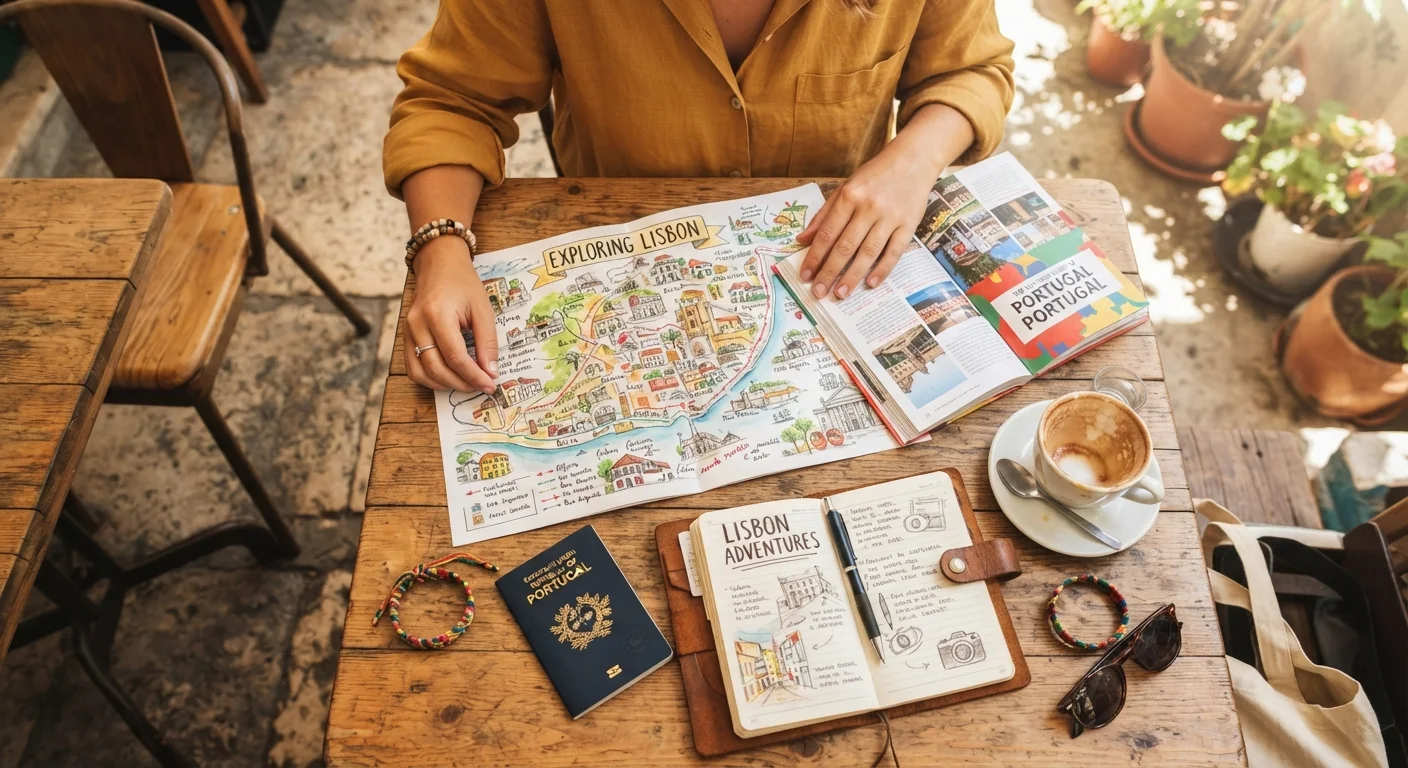
Traveller reviewing a cultural guidebook and map at a sunny café table with passport

Key Takeaways

Researching local customs before you land helps you avoid accidental offense and build genuine connections.
Dress codes, greetings, tipping norms, and dining etiquette vary significantly from country to country.
Understanding a destination's religious practices and public behavior expectations keeps you respectful and safe.
Learning even a few words in the local language signals effort and goodwill to residents.
Verifying entry requirements and cultural sensitivities from official sources protects you from surprises.
30–60 min

Summary

18 items · 30–60 minutes

Why Cultural Prep Is Just as Important as Packing

Most first-time international travellers spend hours agonizing over what to pack — and almost no time preparing for the culture they're about to enter. That gap can make the difference between feeling like a curious guest and accidentally stepping on toes the moment you arrive.

Cultural missteps aren't a moral failing; they're a knowledge gap. A thumbs-up is a friendly gesture in the US but offensive in parts of the Middle East. Tipping generously in Japan can feel rude rather than kind. Showing up at a temple in shorts might get you turned away entirely. None of these things are hard to prepare for — you just need to know what to look for.

This checklist gives you a structured way to do exactly that. Work through it in the weeks before departure and you'll arrive feeling informed, respectful, and genuinely excited to engage. For a broader pre-trip framework, see our full pre-trip checklist covering passports, insurance, and logistics.

Greetings & Social Etiquette

Research how people greet each other — whether that's a handshake, bow, cheek kiss, or verbal acknowledgment — and practice the local form. Must
Look up whether direct eye contact is considered respectful or confrontational in your destination culture. Should
Check whether physical contact between strangers or genders is expected, accepted, or avoided in public spaces. Must
Learn the meaning of common hand gestures and confirm which everyday gestures from home might be misread as rude. Must

Dress Codes & Appearance

Identify dress expectations for religious sites, government buildings, and upscale restaurants — and pack at least one appropriate outfit. Must
Check whether covering hair, arms, or legs is required or expected in specific public spaces or regions. Must
Research whether beachwear, shorts, or sleeveless tops are appropriate beyond the beach in your destination. Should

Dining & Food Culture

Look up tipping customs: whether gratuity is expected, included in the bill, or considered impolite. Must
Research table manners, such as whether slurping, sharing dishes, or eating with hands is customary or frowned upon. Should
Note any common dietary restrictions tied to religion or culture — such as halal, kosher, or vegetarian norms — so you can communicate your own needs respectfully. Should
Find out whether splitting a restaurant bill is normal or unusual, and how payment is typically handled. Nice to have

Religious & Sacred Site Awareness

Identify major religious traditions in your destination and learn the basic practices associated with them — especially around prayer times, festivals, or sacred days. Must
Check rules for visiting religious sites: photography restrictions, required coverings, and whether non-believers are welcome. Must
Note whether any public behaviors — eating, drinking alcohol, or playing loud music — are restricted during religious observances or in religious areas. Should

Language & Communication Basics

Learn five to ten key phrases in the local language: hello, thank you, please, excuse me, and do you speak English. Must
Download an offline translation app before departure in case you're in areas with limited connectivity. Should
Research communication style norms — whether directness or indirect phrasing is preferred, and how disagreement is typically expressed. Nice to have

Tools to Research Cultural Norms Effectively

You don't need a library card or a degree in anthropology to prep well. A handful of reliable resources — used with a critical eye — is all it takes. The key is to consult sources that reflect local voices rather than outsider stereotypes.

Required

Official Government Travel Advisory Pages

Provides verified entry requirements, safety advisories, and cultural guidance from your home country's foreign affairs department.

Required

Destination Tourism Board Website

Offers cultural guidelines, etiquette tips, and site-specific rules directly from local authorities.

Required

Offline Translation App

Enables real-time communication with locals without relying on mobile data in remote or low-connectivity areas.

Optional

Traveller Community Forums

Provides recent, first-hand accounts of cultural norms and practical tips from people who have recently visited your destination.

Optional

Country-Specific Cultural Guidebook

Offers in-depth context on history, social norms, and etiquette, helping you understand the 'why' behind customs.

Pair these tools with a genuine curiosity mindset. For a deeper dive into social customs like greetings, gestures, and gift-giving, this practical guide to reading social customs is an excellent companion resource.

Don't Rely on Stereotypes or Outdated Sources

Cultural norms evolve and vary significantly within a single country — urban and rural areas, or different generations, may have very different expectations. Always cross-check what you read across multiple sources, and favor recent accounts. Avoid content that flattens a whole culture into a list of quirks — approach research with genuine curiosity rather than a checklist-of-differences mindset.

If this is your first time traveling solo with a cultural focus, this solo cultural adventure guide walks you through mindset, planning, and making real connections on the road.

Travel & Adventure Editorial Team is the collective byline for our editorial team and contributor network. Articles published under this byline or an editorial pen name are researched, written, and reviewed according to our editorial standards for clarity, consistency, and independence before publication.

View all articles by Travel & Adventure Editorial Team →
Disclaimer: The content provided on our blog site traverses numerous categories, offering readers valuable and practical information. Readers can use the editorial team’s research and data to gain more insights into their topics of interest. However, they are requested not to treat the articles as conclusive. The website team cannot be held responsible for differences in data or inaccuracies found across other platforms. Please also note that the site might also miss out on various schemes and offers available that the readers may find more beneficial than the ones we cover.