

Key Takeaways
Why Container Gardening Works for Almost Anyone
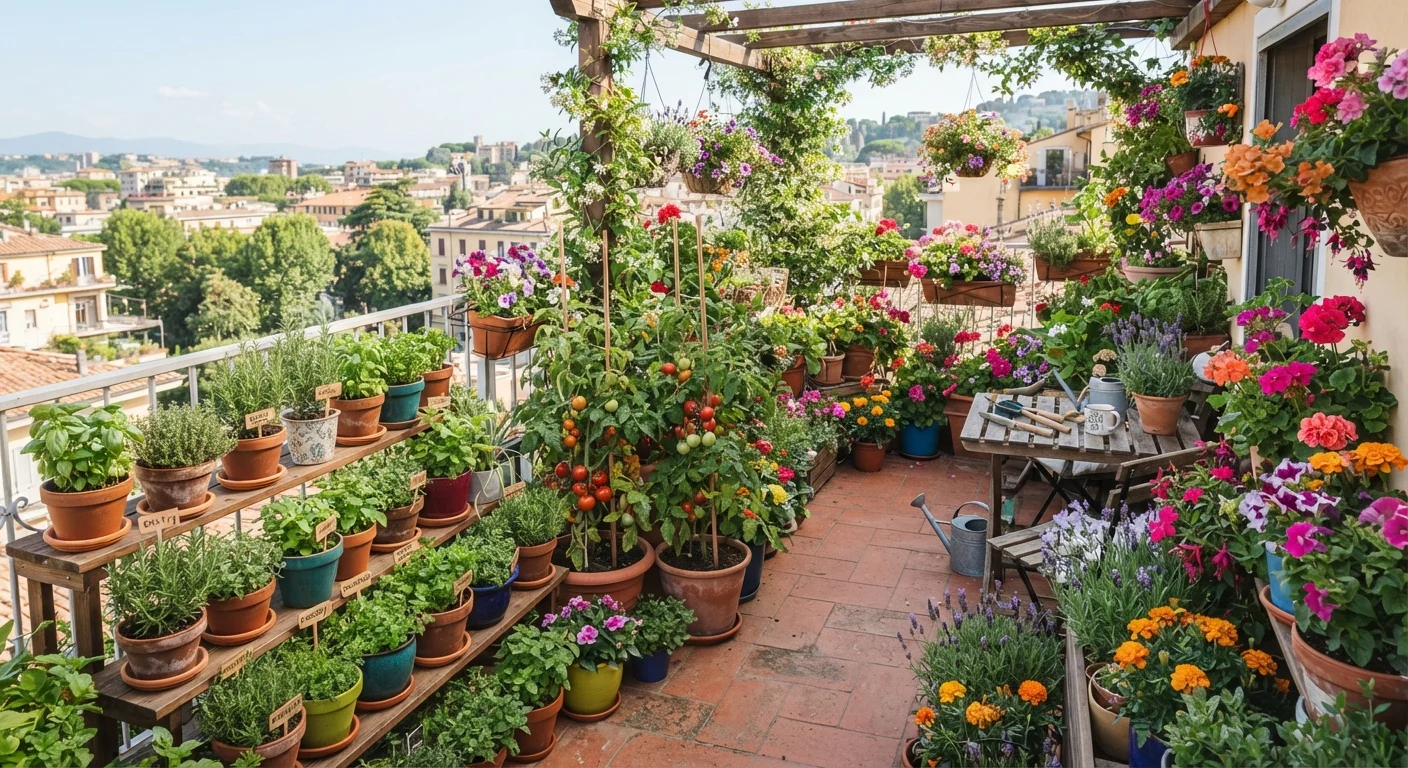
Container gardening is exactly what it sounds like: growing plants in pots, window boxes, fabric bags, or any vessel that holds soil. Whether you have a small balcony, a concrete backyard, or just a sunny windowsill, containers make it possible to grow food, herbs, or flowers without a traditional garden bed.
The appeal goes beyond space savings. Containers give you control over soil quality, sun exposure (you can move them!), and drainage - variables that are much harder to manage in the ground. For first-timers, that control is genuinely reassuring. If you're curious about how container growing compares to other approaches, see our guide on raised beds vs. in-ground planting for a fuller picture.
80%
U.S. households with some form of gardening activity
According to the National Gardening Association, the vast majority of American households engage in some form of gardening, with container gardening among the fastest-growing segments.
5 gallons
Minimum pot volume for peppers or bush beans
Container size guidelines from cooperative extension programs consistently recommend at least a 5-gallon volume for fruiting vegetables to allow adequate root development.
2x faster
Rate containers dry out vs. garden beds
Horticulture educators note that container soil can dry out roughly twice as quickly as in-ground soil, especially in warm or windy conditions, due to exposure on all sides.
Before you buy a single pot, it helps to understand a few basics - covered in our first garden guide - but you don't need to master them all at once. Container gardening rewards incremental learning.
Choosing the Right Container
Container size is the single biggest factor new growers underestimate. A pot that's too small stresses roots, dries out within hours on a warm day, and limits how large a plant can grow. As a practical guide:
- Herbs and lettuces: 6-8 inch diameter pots work well for individual plants; a window box handles a row of herbs side by side.
- Peppers and bush beans: At least a 12-inch pot, or roughly 5 gallons of volume.
- Tomatoes and squash: 15-20 gallons minimum for dwarf or compact varieties.
Material matters too. Terracotta is breathable and attractive but dries quickly - you'll water more often. Plastic retains moisture longer and is lightweight, which matters if you're on a rooftop or need to move containers. Fabric grow bags offer excellent air-pruning for roots. Glazed ceramic sits somewhere between, retaining moisture while being heavy enough to stay put in wind.
Whatever container you choose, it must have drainage holes. Without them, roots sit in waterlogged soil and quickly rot. If you fall in love with a decorative pot without holes, use it as an outer sleeve and keep the actual plant in a draining liner inside.
When choosing between two pot sizes, always go larger. An overly large pot is forgiving; a pot that's too small will limit every aspect of plant growth and require constant intervention.
Root restriction is one of the leading causes of poor performance in container plants. A larger volume also creates a buffer against rapid moisture loss, reducing how often you need to water.
Group containers together when possible. Clustered pots create a slightly more humid microclimate around foliage, which benefits most plants and slows moisture loss from individual containers.
Evapotranspiration from neighboring plants raises local humidity, reducing water stress - a practical technique used in both home gardens and commercial container production.
Soil and Drainage: The Foundation of Success
Never fill containers with soil dug from your yard or garden bed. Outdoor soil compacts heavily in pots, reducing the air pockets that roots need, and it can harbor pests and pathogens. Instead, use a quality potting mix (sometimes labeled "container mix") - a blend typically containing peat or coconut coir, perlite or vermiculite, and composted material. This combination stays loose, drains well, and holds enough moisture between waterings.
Skip the Gravel Layer at the Bottom
Adding gravel or rocks to the base of a pot is a widespread habit that actually creates a "perched water table," causing soggy conditions just above the gravel where roots sit. This increases the risk of root rot rather than preventing it. Use a properly draining potting mix and ensure your pot has adequate holes instead.
A common misconception is that adding a layer of gravel to the bottom of a pot improves drainage. Research consistently shows this actually raises the point at which waterlogging occurs, not lowers it. The garden myths article explains this and other well-meaning but counterproductive habits in detail. Simply use a good potting mix that drains freely, and rely on adequate holes at the base.
Refresh or replace potting mix every one to two seasons. Over time it breaks down, becomes compacted, and loses its structure - signs include water pooling on the surface and slow growth despite correct watering.
Best Plants for Containers
Almost any plant can technically grow in a container given the right conditions, but some are genuinely well-suited and forgiving for beginners:
- Herbs
- Basil, mint, chives, parsley, and thyme all thrive in smaller pots. Note: mint spreads aggressively - it's better kept in its own dedicated container.
- Salad greens and spinach
- Fast-growing and shallow-rooted, these do well in window boxes or wide, shallow containers. Great for beginners because you see results quickly.
- Compact tomatoes and peppers
- Look for varieties labeled "dwarf," "patio," or "bush" - they're bred for container life and manageable size without sacrificing flavor.
- Flowers
- Marigolds, petunias, and pansies add color and, in some cases, help deter common pests when placed near edible plants.
If you're also interested in indoor growing, our round-up of hard-to-kill indoor plants is a good companion resource for low-maintenance options that don't need outdoor conditions at all.
Watering, Feeding, and Ongoing Care
Containers dry out significantly faster than garden beds because they have a limited soil volume exposed to sun and wind on all sides. The general rule: check moisture daily in warm weather by pushing your finger an inch into the soil. If it feels dry at that depth, water thoroughly until it drains from the holes at the base.
Avoid light, frequent sips of water - those only dampen the top inch and encourage shallow root growth. Deep, less frequent watering is healthier for the plant overall.
Self-Watering Containers Save Time
Self-watering pots have a built-in water reservoir at the base that wicks moisture upward as the soil dries. They're especially useful during hot weather or if your schedule makes daily watering difficult. They work best for moisture-loving plants like tomatoes and lettuce - cacti and herbs that prefer drier conditions generally do better in standard pots.
Because you're watering so regularly, nutrients leach out of containers much faster than from garden beds. Supplement with a balanced, slow-release granular fertilizer worked into the potting mix at planting time, and follow up with a liquid fertilizer every two to three weeks during the active growing season. Always follow label directions - more is not better with fertilizer.
Keep an eye out for early signs of pest pressure. Container plants aren't immune to aphids, spider mites, or fungus gnats. Catching problems early makes management much simpler; our article on managing pests without chemicals covers low-intervention methods that work well for container growers.
Common Mistakes and How to Avoid Them
Even simple container gardens go sideways when a few key habits are skipped. Here are the most frequent pitfalls and straightforward fixes:
- Choosing a pot that's too small. When in doubt, size up. A bigger container buffers against overwatering and underwatering, and roots have room to develop properly.
- Using garden soil. It compacts in pots and doesn't drain. Use a dedicated potting mix - always.
- Inconsistent watering. Letting soil cycle between bone-dry and waterlogged stresses plants and causes issues like blossom end rot in tomatoes. Regular checks matter.
- Ignoring sunlight requirements. Most vegetables need six or more hours of direct sun. Herbs and lettuces tolerate partial shade better. Position containers accordingly before planting.
- Skipping fertilizer entirely. Unlike in-ground soil, potting mixes don't have a reservoir of nutrients. Regular feeding is not optional for healthy, productive container plants.
Container gardening has a genuinely short learning curve. Start with one or two pots of herbs or lettuce, observe how they respond, and build from there. The skills you develop - reading soil moisture, recognizing plant health, understanding light - transfer directly to any other gardening method you might explore later.