

| Red light action | Stop driving safely as soon as possible |
| Amber light action | Schedule a mechanic visit soon; drive cautiously |
| Most common light | Check Engine (covers dozens of fault types) |
| Fastest engine damage | Oil pressure warning - can cause damage in minutes |
| TPMS trigger threshold | Typically 25% below recommended tire pressure (U.S. NHTSA TPMS standard) |
| Best personal reference | Your vehicle's owner's manual |
Why Warning Lights Exist - and What to Do First
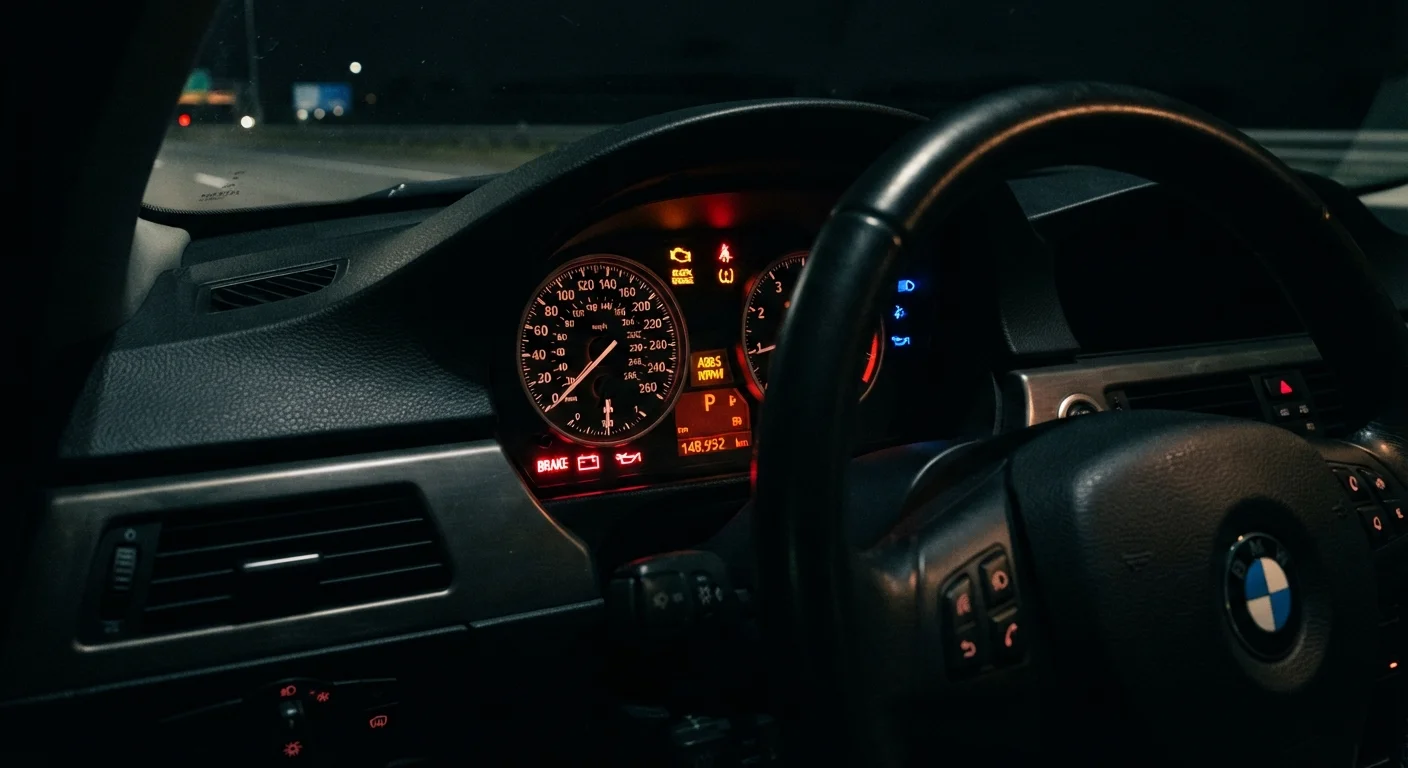
Dashboard warning lights are your car's built-in communication system. When something needs attention, a sensor triggers a symbol on your instrument cluster. The key is knowing which lights demand immediate action, which can wait until your next service appointment, and which are simply informational.
As a general rule, red lights signal urgent problems - stop driving as soon as it is safe to do so. Amber or yellow lights mean something needs attention soon but usually allows you to drive carefully to a mechanic. Green and blue lights are typically status indicators (headlights on, high beams active) and require no action.
Before diving into individual symbols, know that the most reliable reference for your specific vehicle is the owner's manual in your glove box. As we cover in our guide to using your owner's manual, it contains manufacturer-specific explanations that no general guide can fully replace.
| Red light action | Stop driving safely as soon as possible |
| Amber light action | Schedule a mechanic visit soon; drive cautiously |
| Most common light | Check Engine (covers dozens of fault types) |
| Fastest engine damage | Oil pressure warning - can cause damage in minutes |
| TPMS trigger threshold | Typically 25% below recommended tire pressure (U.S. NHTSA TPMS standard) |
| Best personal reference | Your vehicle's owner's manual |
The Most Common Warning Lights, Explained
Here is a plain-English breakdown of the warning lights drivers encounter most often:
- Check Engine (Engine Management) Light
- This amber symbol - usually shaped like an engine outline - covers a wide range of issues, from a loose gas cap to a misfiring cylinder. If it flashes, pull over safely and call for assistance. If it glows steadily, schedule a mechanic visit promptly. A diagnostic scan tool can read the fault code and narrow down the cause.
- Oil Pressure Warning
- A red oil can symbol means your engine's oil pressure has dropped dangerously low. Stop driving immediately, turn off the engine, and check your oil level only after the engine cools. Low oil pressure can cause severe engine damage within minutes of continued driving.
- Battery / Charging System
- A red battery symbol indicates the charging system is not maintaining proper voltage. Your car may be running on battery reserve only. Minimize electrical loads and head to a shop - you may have limited driving time before the car stalls.
- Coolant Temperature Warning
- A red thermometer in liquid means your engine is overheating. Pull over safely, turn off the engine, and do not open the radiator cap while the engine is hot. Continuing to drive risks warping the engine's cylinder head - a costly repair.
- Brake System Warning
- If this red symbol lights up while driving (not just at startup with the parking brake engaged), it can signal low brake fluid or a fault in the braking system. Have your brakes inspected promptly. Our article on brake warning signs covers related symptoms worth knowing.
- Tire Pressure Monitoring System (TPMS)
- An amber symbol showing a flat tire cross-section with an exclamation mark means one or more tires is significantly under- or over-inflated. Check tire pressure at the nearest gas station; driving on underinflated tires affects handling and fuel economy.
- Traction Control / Stability Control
- A flashing version of this symbol (a car with squiggly lines beneath it) during driving means the system is actively working to prevent wheel slip - normal in slippery conditions. If it stays on solid, the system may be deactivated or faulty.
Instrument cluster
The panel directly behind the steering wheel that displays your speedometer, fuel gauge, and all warning lights.
Fault code (DTC)
A Diagnostic Trouble Code stored by your car's onboard computer when a sensor detects a problem. A mechanic or scan tool reads these codes to identify the source of a warning light.
TPMS
Tire Pressure Monitoring System - a sensor network that alerts you when one or more tires is significantly under- or over-inflated.
Coolant
A liquid (usually a mix of antifreeze and water) that circulates through the engine to regulate its temperature and prevent overheating.
Charging system
The combination of the alternator, battery, and associated wiring that keeps your car's electrical system running while the engine is on.
What to Do When a Light Comes On
When any warning light appears, follow these steps:
- Stay calm. Note the color and symbol.
- Check for immediate danger. Red lights warrant pulling over safely; amber lights generally allow cautious driving to a mechanic.
- Consult your owner's manual for the exact definition for your make and model.
- Do not ignore or mask it. Some drivers use tape to cover persistent lights - this is unsafe and can allow minor problems to become major ones.
- Get a diagnostic scan. Most auto parts stores will read fault codes for free. This is a starting point, not a substitute for professional diagnosis.
Being proactive about warning lights is part of responsible car ownership and connects directly to broader safe driving habits on the road. If you ever buy a used vehicle, a history of ignored warning lights may even show up as hidden issues - something our guide on spotting hidden problems in used cars addresses in detail.
Warning Lights Vary by Manufacturer
Not every car uses identical symbols. While most follow international standards (ISO 2575), some manufacturers use proprietary icons or colors for certain systems. Always cross-reference a warning light with your specific owner's manual before assuming you know its meaning. When in doubt, have a qualified mechanic inspect the vehicle.