

Key Takeaways
Why Hidden Problems Are So Common on Used Cars
Used cars can be excellent value - but they also come with histories that aren't always disclosed upfront. Some sellers genuinely don't know what's wrong; others may downplay issues to close the deal. Either way, the buyer carries the risk. Knowing what to look for puts you in a much stronger position before you hand over any money.
The mistakes below are the ones buyers most often regret. Each one is avoidable with a bit of preparation and a willingness to slow down the process. If you're also weighing whether to buy used at all, see our practical look at new vs. used trade-offs for a fuller picture.
Skipping the pre-purchase inspection to save time or money.
Why it happens: Buyers are often excited and eager to close the deal quickly, especially if they feel competition from other interested buyers.
Ignoring mismatched or uneven paint across panels.
Why it happens: Color differences can be subtle in certain lighting, and buyers often assume slight variations are normal manufacturing variation.
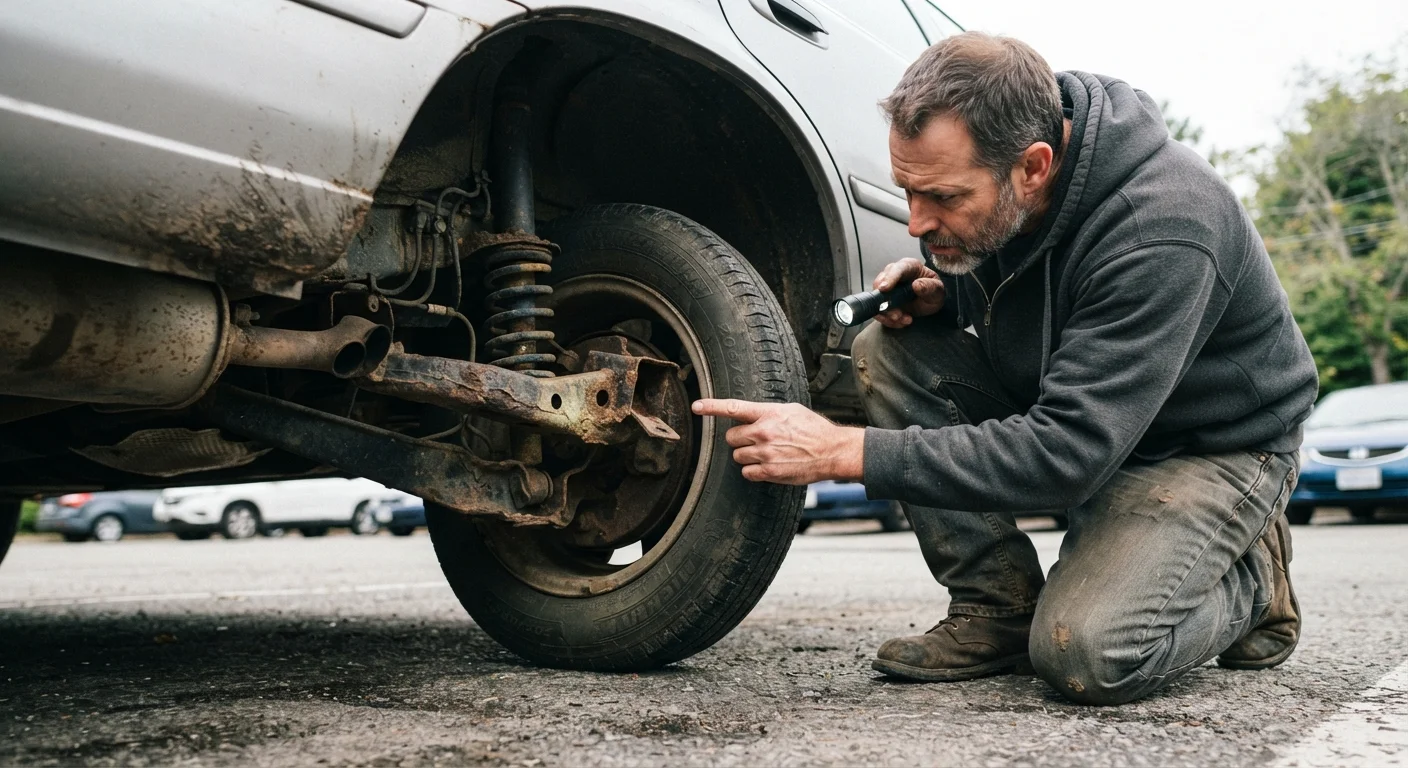
Not checking for rust in critical structural areas.
Why it happens: Surface rust on older cars looks common and buyers often assume it's only cosmetic, not recognizing the difference between surface oxidation and deeper corrosion.
Only doing a short or slow test drive.
Why it happens: Buyers feel awkward asking for more time with a car they don't yet own, especially with a seller present.
Taking the odometer reading at face value without verification.
Why it happens: Most buyers assume odometer fraud is rare or only happens in extreme cases, and the number on the dash looks authoritative.
Dismissing dashboard warning lights that are present or recently reset.
Why it happens: Sellers sometimes clear warning codes before a sale, and buyers may assume a clean dashboard means a healthy car.
Red Flags to Spot During Your Inspection
Beyond the individual mistakes above, a few specific warning signs deserve special attention during any used car walkthrough.
1 in 3
Used cars with undisclosed prior damage
Estimates from vehicle history data providers suggest roughly one in three used vehicles on the market has some form of damage history not proactively disclosed by the seller.
$100-$200
Typical cost of a pre-purchase inspection
An independent mechanic's pre-purchase inspection generally runs between $100 and $200 - a fraction of what a missed problem could cost in repairs.
Exterior: Look Beyond the Surface
Walk slowly around the car and crouch to eye level along each panel. Wavy or rippled body lines - especially compared to the opposite side - suggest filler or rushed bodywork. Check that door gaps are even all the way around; inconsistent spacing can point to frame damage. Open and close every door, the hood, and the trunk to feel whether they latch smoothly.
Under the Hood
Look for oily residue around hoses, the valve cover, or the oil cap - these can indicate leaks. A milky or frothy film inside the oil cap (it looks like a coffee-cream mixture) may suggest coolant mixing with oil, which is a serious sign. Also check the coolant reservoir: it should be clear or slightly tinted, not rusty or murky.
Brake Noise Deserves Attention
Squealing, grinding, or pulsating when you brake during a test drive are not sounds to dismiss. These can indicate worn brake pads, warped rotors, or caliper issues - all of which carry both safety and cost implications. Our guide on why brakes squeal and when to act covers what different sounds typically mean.
During the Test Drive
Cold starts reveal a lot. If the engine hesitates, ticks loudly, or blows visible smoke on startup, those are meaningful signals. On the road, brake firmly (when safe) and note any pulling to one side. Listen for clunking over bumps and vibration at highway speeds. A well-maintained car should feel composed and quiet. If anything feels off, trust that instinct and ask questions - or walk away.
After your purchase, set up a routine to stay ahead of issues. Our monthly car check guide walks you through a simple inspection you can do in under 20 minutes.
Before You Commit: Two Steps That Pay Off
Even a careful visual inspection has limits. Two steps can fill in the gaps significantly.
Get a vehicle history report. Services that compile this data (using a car's VIN) can reveal reported accidents, odometer readings over time, title issues such as salvage or flood designations, and how many owners the vehicle has had. This doesn't catch everything - unreported incidents won't appear - but it's a strong starting point.
Pay for a pre-purchase inspection (PPI). A qualified, independent mechanic can put the car on a lift and examine components you simply can't see in a parking lot: the exhaust, brake lines, suspension joints, and undercarriage condition. This typically costs between $100 and $200 and can save you from a far more expensive mistake. Always use a mechanic you choose independently, not one recommended by the seller.
Flood and Salvage Titles: Know the Difference
A vehicle with a salvage or flood title has been declared a total loss by an insurer at some point. These cars can be legally retitled and resold in many states, but they may carry hidden corrosion, compromised electronics, or weakened structural integrity. Always check the title status in any vehicle history report and be especially cautious of cars that smell musty, have stained upholstery, or show corrosion in unusual interior locations like under the dashboard or beneath carpet.
Once you've done your due diligence and are ready to take ownership, our checklist on things to sort out before driving away covers the practical steps from insurance to documents.