

Key Takeaways
Brake Squeal
Brake squeal is a high-pitched noise produced when your brake pads press against the rotor to slow your car. It can be caused by anything from light dust and morning moisture to seriously worn pads or warped rotors. Not every squeal signals danger, but all brake noise deserves attention.
The sound itself is often a result of vibration at specific frequencies between the brake pad material and the rotor surface - a phenomenon sometimes called brake squeal resonance.
The Most Common Reasons Brakes Make Noise
Brake noise is one of the most frequent concerns car owners bring up, and it makes sense - few sounds are as unnerving as a shriek every time you slow down. The good news is that not every squeal means something is wrong. The tricky part is knowing which noises matter.
Here are the most common causes, from least to most urgent:
- Surface moisture or light rust: After overnight rain or a car wash, a thin layer of rust can form on rotors. The first few stops of the day will scrub it off, along with that brief squeal. This is normal.
- Dust and debris: Fine particles - road grit, brake dust, sand - caught between the pad and rotor can squeal momentarily. If it clears quickly, it's usually nothing.
- Wear indicators: Most modern brake pads include a small metal tab called a wear indicator. When the pad wears down to a safe replacement threshold, this tab contacts the rotor and produces a deliberate squealing sound. This is your car telling you it's time for new pads.
- Glazed pads or rotors: Overheating from prolonged heavy braking can harden (glaze) the pad surface, reducing grip and causing noise.
- Warped rotors: Uneven rotor surfaces can cause vibration and squealing, sometimes accompanied by a pulsating brake pedal.
Listen and Log Before Your Appointment
Before visiting a mechanic, make a note of exactly when the noise occurs - at startup, during light braking, or under hard stops. Also note whether it's accompanied by vibration, pulling, or a change in pedal feel. This context helps a technician diagnose the cause more efficiently and accurately.
If you're also seeing dashboard lights alongside brake noise, check out our guide to warning lights to understand what your dashboard may be signaling at the same time.
When Brake Noise Becomes a Serious Warning Sign
Some sounds cross the line from nuisance into genuine safety concern. Knowing the difference can protect both you and your vehicle.
Grinding Is Not a Squeal - Treat It Differently
Squealing and grinding are distinct sounds with different implications. Squealing is often an early warning; grinding usually means a problem is already causing damage. If you hear grinding, reduce your driving to only what's necessary and arrange a professional inspection as soon as possible. Do not assume it will resolve on its own.
Grinding is the clearest red flag. When you hear a harsh, metal-on-metal grinding sound during braking, it almost always means the pad material is gone and the metal backing plate is contacting the rotor directly. This compromises stopping power and rapidly damages the rotor - turning a pad replacement into a much costlier rotor replacement.
Pulling to one side while braking, combined with noise, can indicate a stuck caliper or uneven pad wear. A soft or spongy brake pedal alongside squealing may point to a fluid issue. Either scenario warrants prompt professional inspection - don't delay.
A useful rule of thumb: if the noise is consistent (every time you brake, not just the first stop of the day), growing louder over time, or accompanied by any change in how the car feels when slowing down, treat it as urgent. Brakes are not a system to gamble with.
~$150-$300
Typical cost per axle for brake pad replacement
General industry estimates suggest pad-only replacement is significantly less expensive than a combined pad and rotor replacement, which can run $400-$600 or more per axle.
25-70k miles
Average brake pad lifespan
Pad longevity varies widely based on driving style, vehicle weight, and pad material - city driving with frequent stops wears pads faster than highway driving.
What You Can Do - and When to Call a Mechanic
There are a few things any driver can reasonably do before heading to a shop:
- Listen carefully. Note when the noise happens - only in the morning, only at low speeds, during light braking or hard stops? This information helps a mechanic diagnose the problem faster.
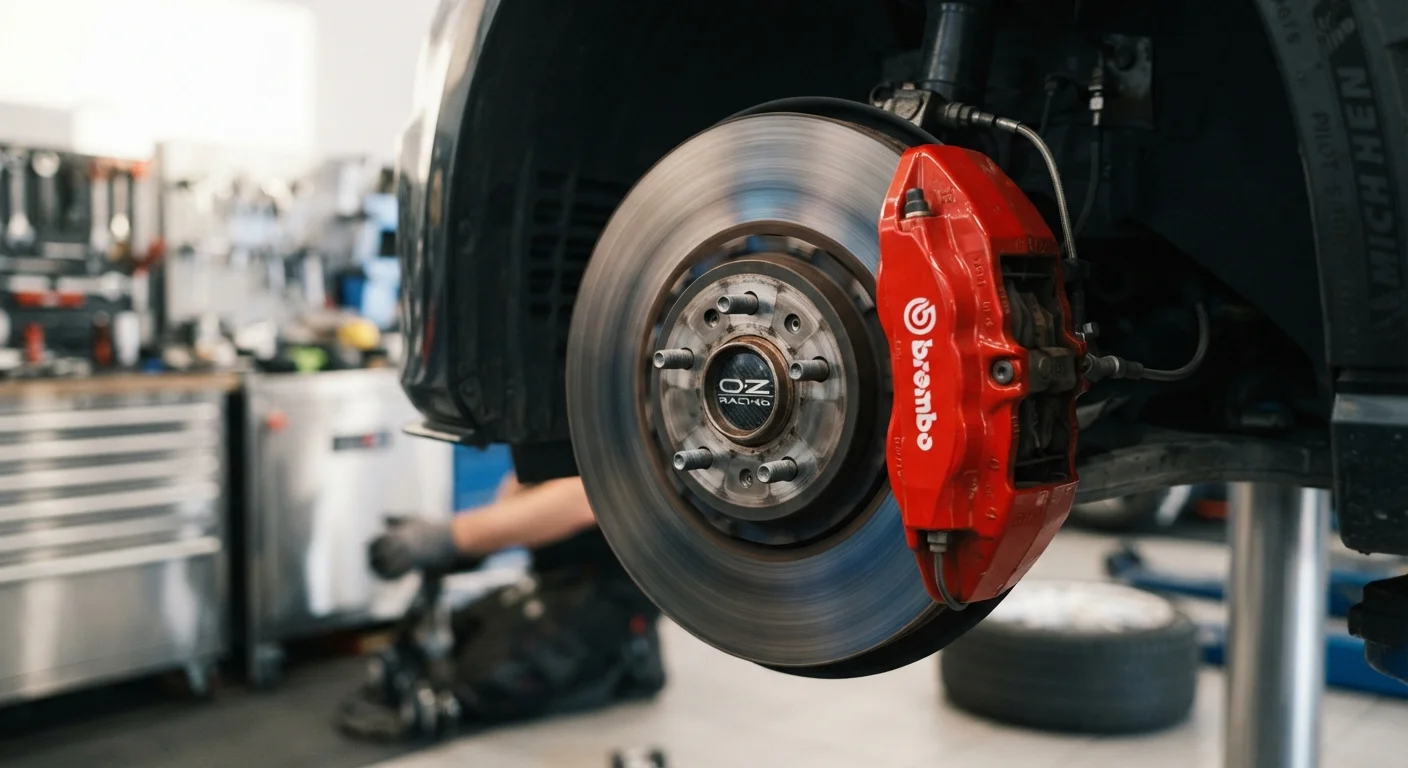
- Look through your wheels. On many cars, you can see the brake pad through the wheel spokes. If the pad looks thinner than about a quarter-inch, it's likely time for replacement.
- Check your owner's manual. It will tell you the manufacturer's recommended brake inspection intervals for your specific vehicle.
Beyond these basic checks, brake work - especially anything involving calipers, rotors, or brake lines - should be handled by a qualified mechanic. Brakes are a safety-critical system, and incorrect repairs can have serious consequences. If you're unsure, err on the side of caution and schedule an inspection.
Routine maintenance is your best defense. Most shops recommend a brake inspection at least once a year or every 12,000 miles. Catching worn pads early prevents rotor damage and keeps repair costs manageable.
This article is for general informational purposes only. For safety-critical concerns about your vehicle's braking system, consult a qualified, licensed mechanic.