

Key Takeaways
Why Free Experiences Often Hit Harder
There's a quiet irony in travel: the moments people talk about longest are rarely the priciest ones. It's the impromptu street performance stumbled upon, the neighborhood market that smelled of spices and warm bread, the sunset watched from a public hilltop with strangers who became temporary friends. These experiences cost little or nothing - and they tend to stick.
This isn't accidental. Free and low-cost activities usually pull you into a destination's everyday rhythm rather than its tourist-facing version. You're not watching a culture perform for you; you're participating in it. That authenticity is genuinely hard to buy, no matter the budget. If you've ever wondered whether affordable travel means missing out, it's worth exploring what common travel myths might be holding you back before you even try.
Below are some of the most reliably memorable low-cost activities - and how to make the most of each one wherever your travels take you.
Join a Free Walking Tour
Free walking tours - common in cities across Europe, Latin America, Asia, and beyond - are typically led by locals who work for tips. That structure means your guide is motivated to make the experience genuinely worthwhile. You'll hear stories that don't appear in any guidebook, and you'll leave with a mental map of neighborhoods that actually makes sense.
Search for "free walking tour" plus your destination, or ask at your accommodation. Most tours run daily, cover a defined district, and last two to three hours. Tip what you feel the experience was worth - guides depend on it.
Local guides on tip-based tours are motivated to deliver genuinely memorable, insider-level experiences.
Explore Public Markets
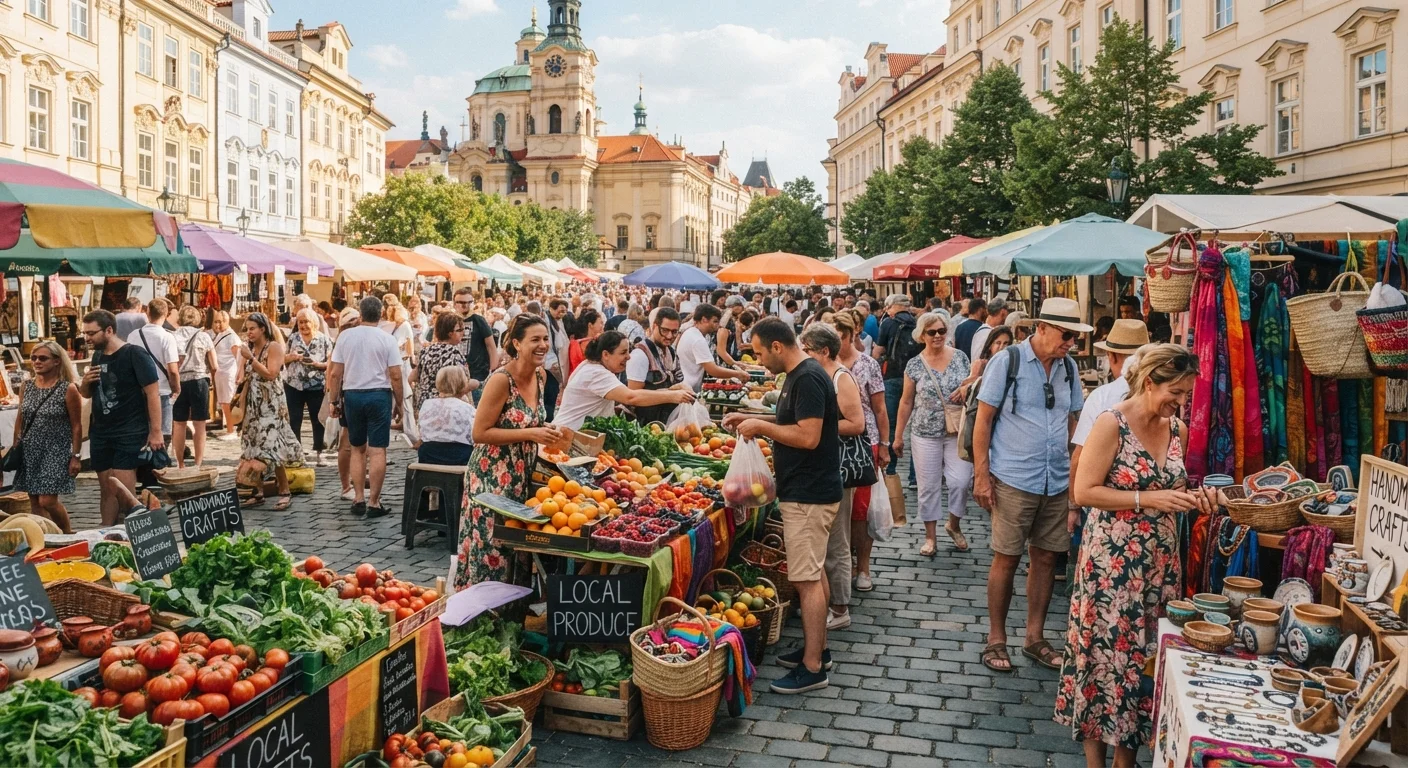
Public markets - whether a daily produce market or a weekend artisan fair - are living snapshots of local life. You'll encounter regional foods, hear the local language in natural conversation, and observe the social habits of a place more vividly than any museum exhibit can recreate.
Most markets are free to enter. Even if you buy something small - a piece of fruit, a cup of coffee from a stall - you're spending very little while gaining a lot. Check local event listings or ask your host which market day draws the most residents (as opposed to tourists).
Public markets offer a living snapshot of local culture that no museum exhibit can fully replicate.
Hike, Walk, or Cycle Through Natural Spaces
Parks, coastal paths, mountain trails, and riverside walks are often completely free and among the most physically rewarding ways to experience a destination. Many cities have green corridors or protected natural areas within easy reach of the center - places locals use regularly that visitors frequently overlook.
Before you leave, look up whether your destination has national parks, state forests, or protected reserves nearby. Some charge modest entry fees; many do not. Either way, the cost-to-experience ratio is almost always exceptional. Check trail conditions and any entry requirements with official park or land management sources before you go.
Natural spaces near most destinations are free, rewarding, and often overlooked by mainstream tourism.
Attend Local Festivals and Public Events
Cultural festivals, outdoor concerts, religious celebrations, and neighborhood street fairs happen year-round in destinations around the world - and a surprising number are either free or very low cost. These events are where locals actually gather, which means the atmosphere is organic rather than staged for visitors.
Research your travel dates using local tourism board websites, community Facebook groups, or event apps like Eventbrite. Even if language is a barrier, showing up with openness and a willingness to observe goes a long way. The week-long trip planning walkthrough includes tips on timing your visit around free local events.
Timing a trip around a local festival can transform an ordinary visit into something genuinely unforgettable.
Wander Neighborhoods Off the Tourist Map
Some of the most interesting urban experiences require nothing more than comfortable shoes and a willingness to get a little lost. Residential neighborhoods, creative districts, and port areas often have distinct architecture, street art, corner cafés, and a palpable sense of everyday life that tourist zones rarely capture.
Use a paper map or offline navigation app, pick a general direction, and walk. Note what's interesting, duck into open doorways that welcome visitors (bookshops, community galleries, local bakeries), and let the neighborhood show you what it wants to. This kind of unstructured exploration costs nothing and frequently produces the most talked-about travel stories.
Wandering off the tourist map with no fixed agenda often leads to the stories you'll tell for years.
Use Free Museum Days and Cultural Passes
Many museums, galleries, and heritage sites offer free entry on specific days or evenings - a policy found in cities across the US and internationally. Some destinations also offer multi-site cultural passes for residents and visitors at reduced rates. These aren't secret deals; they're publicly advertised benefits that go underused simply because travelers don't think to look.
Check the official websites of any museum or gallery on your list before assuming there's a fee. Also look at whether your destination has a city tourism card - these sometimes include public transit plus free or discounted entry to multiple sites for a flat daily fee, which can be worthwhile depending on your itinerary. You can explore destinations where culture is especially affordable for more inspiration.
Free museum days are publicly advertised and widely available - they just require a quick check before you go.
Making It All Come Together
The common thread running through every item on this list is intention. Free and low-cost activities reward travelers who pay attention - to posted flyers, to local rhythm, to the question "what do people actually do here on a Saturday morning?" That curiosity is your most powerful planning tool.
Ask Locals, Not Just Apps
Tourism apps surface popular attractions, but locals know the free stuff worth doing. Ask your host, a café owner, or a shopkeeper what they'd do on a free afternoon - the answers are often genuinely surprising. A simple, curious question can unlock an experience no algorithm would have recommended.
For a fuller picture of how to structure an entire trip affordably - from transport to lodging to daily spending - the comprehensive budget travel guide lays it all out clearly. And if you want to stretch your dollar even further on food, pairing these activity strategies with smart eating habits covered in eating well without blowing your budget can make a real difference. The world is genuinely more accessible than it looks - you just need to know where to look.