

Key Takeaways
What Affordable Travel Actually Means
Budget travel gets a bad reputation. People assume it means sleeping in cramped rooms, skipping meals, and watching others enjoy the highlights from a distance. That's not what it means at all.
Affordable travel is really about spending deliberately - putting your money toward the moments that matter to you and trimming costs in areas you genuinely don't care about. As our plain-language breakdown of budget travel explains, setting realistic expectations before you leave is what separates a fulfilling trip from a frustrating one.
The world is genuinely more accessible than it has ever been for everyday travellers. You don't need a large salary or months of leave - you need a plan and a willingness to be flexible.
Start With What You Value Most
Before researching prices, write down the two or three things that would make this trip feel worth it to you - a particular experience, a type of food, a pace of travel. Let those priorities guide your spending, and trim everywhere else without regret.
Building a Realistic Travel Budget
Before you book anything, you need a clear picture of what a trip will actually cost. Most first-timers underestimate by a wide margin - not because they're careless, but because they only price the obvious things: flights and hotels.
A complete travel budget covers five core categories: transport (flights, trains, local transit), accommodation, food and drink, activities and entry fees, and a contingency reserve for the unexpected. Our step-by-step budget-building guide walks through each category and flags where most travellers accidentally overspend.
~50%
of budget typically spent on transport and accommodation
Travel cost analyses consistently show that flights and lodging consume roughly half of most travellers' total trip budgets, making them the highest-impact areas to optimise.
3-5×
purchasing power difference between high- and low-cost destinations
In many Southeast Asian, Eastern European, and Latin American destinations, daily costs can be a fraction of equivalent experiences in Western Europe or North America.
Once you have a rough total, divide it by the number of trip days to get your daily spending limit - a simple number that keeps decision-making easy on the road. Learn how daily limits work in practice with fixed costs factored in.
Getting There Without Draining Your Savings
Transport is usually the single biggest expense in any trip. Flights, in particular, can swing wildly in price depending on timing, routing, and flexibility.
- Be flexible with dates. Mid-week departures and off-peak seasons consistently carry lower fares on most routes.
- Consider alternative airports. Flying into a secondary airport near your destination and taking ground transport can cut costs significantly.
- Trains and buses for regional travel. Within continents like Europe or Southeast Asia, overland travel is often cheaper, more scenic, and more flexible than flying.
- Book early for peak periods, but not always otherwise. For popular holiday windows, early booking pays off. Outside of those, fares can drop closer to departure.
Common planning myths - like the belief that you must always book months ahead - often lead travellers to overpay out of anxiety rather than necessity.
Set a fare alert for your target route several weeks out rather than checking prices manually every day. Consistent monitoring over time gives you a genuine sense of what's normal for that route - so you recognise a real dip when it appears.
Price volatility on flights is real, but most travellers lack a baseline for comparison. Tracking fares over time removes the guesswork and prevents panic-buying at inflated prices.
When comparing accommodation costs, always factor in what's included - a place with free breakfast, kitchen access, or free airport transit can be genuinely cheaper than a lower-listed rate that includes nothing.
The headline nightly rate is rarely the full story. Experienced travellers compare total daily cost - accommodation plus the meals and transport it replaces - rather than room price alone.
Where to Sleep: Affordable Lodging Options
Accommodation doesn't have to be a luxury hotel to be comfortable, safe, and enjoyable. The range of affordable options has expanded enormously, and many travellers find they actually prefer the alternatives.
A full breakdown of lodging options - from hostels and guesthouses to home-sharing and camping - covers who each option suits best. Here's a quick summary:
- Hostels: Ideal for solo travellers and those wanting social connection. Many now offer private rooms alongside dorms.
- Guesthouses and B&Bs: Often family-run, these offer local character at a fraction of hotel prices.
- Home-sharing platforms: Useful for groups or longer stays, particularly when access to a kitchen can reduce food costs.
- Camping and glamping: Where infrastructure exists, camping is one of the most affordable and immersive ways to travel.
Safety and Comfort Still Matter
Affordable doesn't mean accepting unsafe or deeply uncomfortable conditions. Read recent traveller reviews, check neighbourhood safety information from your government's official travel advisory site, and trust your instincts when evaluating accommodation options. A slightly higher nightly cost in a well-reviewed, centrally located property often saves money on transport and stress.
Eating Well on Any Budget
Food is one of the great joys of travel - and one of the easiest places to overspend without realising it. Eating every meal at tourist-facing restaurants adds up fast, but the alternative isn't plain rice from a supermarket bag.
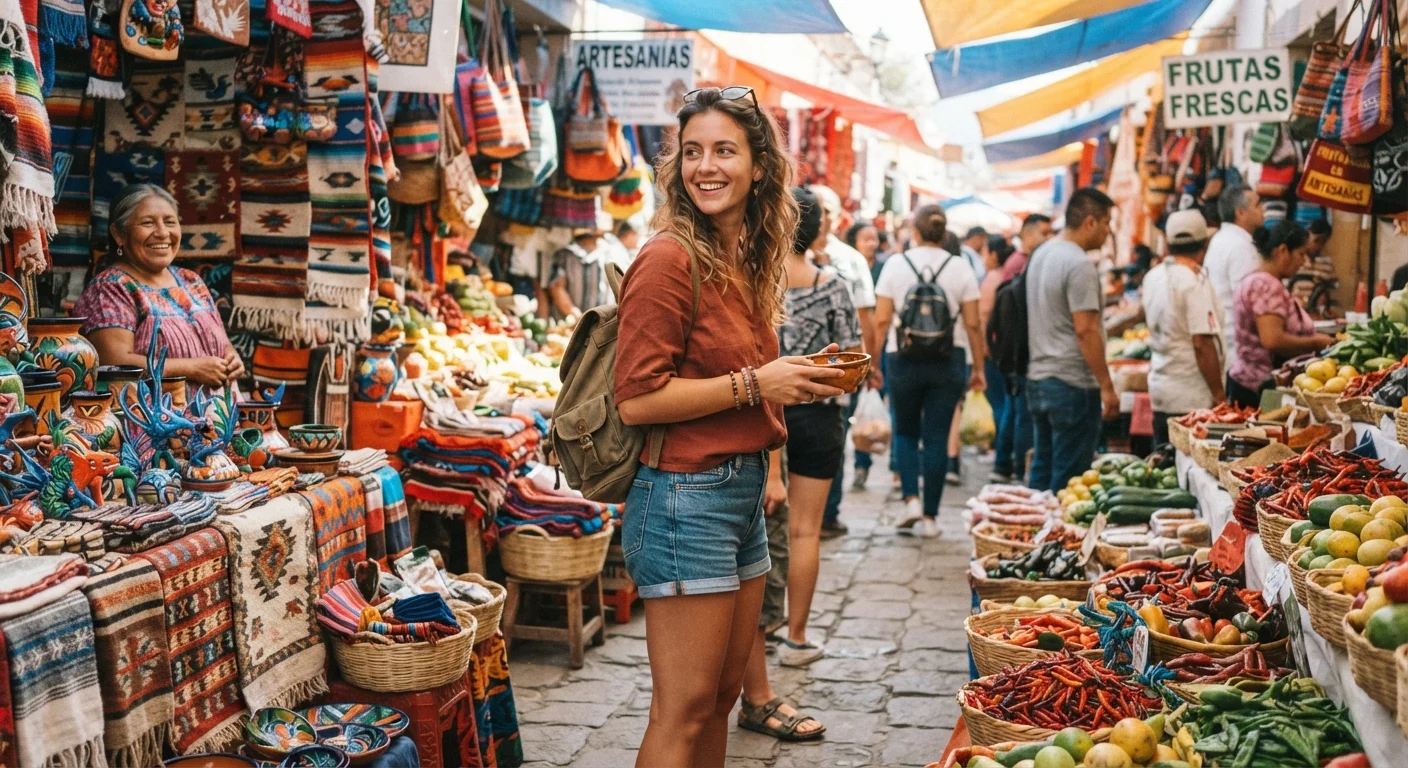
The travellers who eat best on a budget tend to follow a few consistent habits: they explore local markets, seek out neighbourhood eateries away from the main tourist drag, and embrace street food as a cultural experience rather than a compromise. Seasoned travellers' food strategies offer a practical, flavour-first approach to reducing your food spend.
Accommodation with kitchen access also changes the equation entirely - even cooking one or two meals yourself per day can free up meaningful funds for experiences you actually want to pay for.
Experiences That Matter - Without the Premium Price Tag
Here's something the travel industry doesn't advertise loudly: many of the most memorable travel experiences cost very little. Wandering an unfamiliar neighbourhood, sitting in a public square at dusk, joining a local festival, hiking a coastal trail - these moments tend to stick long after any expensive excursion has faded.
That said, some paid experiences are genuinely worth prioritising. The key is deciding in advance which ones those are, then protecting that portion of your budget while trimming elsewhere.
“The real voyage of discovery consists not in seeking new landscapes, but in having new eyes.”
— Marcel Proust, French novelist and essayist
Choosing destinations where your money has genuine purchasing power also makes a substantial difference. Some regions naturally offer far greater value without requiring any compromise on quality of experience.
And if you want to slow down and go deeper rather than tick off highlights at speed, the case for slow travel is worth reading - spending more time in fewer places almost always costs less and rewards more.
Hidden Costs and How to Avoid Them
Even careful budgeters get caught out by costs they didn't see coming. These aren't exotic edge cases - they're routine charges that travel at high frequency and low visibility.
- Baggage fees: Budget airlines price seats cheaply and recoup margin on bags. Know the policy before you book and pack accordingly.
- ATM and currency conversion fees: Withdrawing cash abroad through the wrong card can add 3-5% to every transaction. Research fee-free options before you leave.
- Resort and city taxes: Many destinations charge a nightly accommodation tax that isn't included in listed prices.
- Tipping norms: Customs vary widely by country. Understanding local expectations helps you budget correctly and avoids awkward moments.
- Visa and entry fees: Some destinations charge entry fees that aren't obvious at the booking stage.
A full rundown of overlooked travel expenses is essential reading before you depart. And for a comprehensive end-to-end planning resource, everything that goes into planning a trip covers the full picture from destination research through to packing.
Verify Entry Requirements Before You Book
Visa rules, vaccination requirements, and entry conditions vary by destination and can change with little notice. Never rely solely on travel blogs or booking platforms for this information. Always check your government's official travel advisory and the destination country's embassy or consulate website before confirming flights or accommodation.
This article provides general travel information for educational purposes. Prices, availability, entry requirements, and local conditions change frequently - always verify details with official government sources and service providers before travelling.