

Key Takeaways
Why Street Food Tells the Real Story
Museums preserve a culture's past. Street food feeds its present. The dishes sold from carts and open-air stalls reflect what people actually eat on a Tuesday - what's seasonal, what's affordable, what has been passed down through generations. That kind of authenticity is hard to find in a sit-down restaurant calibrated for tourists.
Street food also collapses social distance. Standing at a shared counter with office workers, school kids, and grandmothers ordering lunch puts you inside daily life rather than observing it from behind glass. If you enjoy exploring a city through its less-obvious layers, finding character in local neighbourhoods and its street food scene go naturally hand in hand.
For travelers watching their spending, there's a welcome bonus: eating where locals eat is almost always the most affordable option too. Eating well without spending a fortune is very achievable when street food becomes part of your daily rhythm.
Let Locals Lead the Way
If you spot a stall with a line of locals - especially during lunch or dinner rush - that's one of the strongest signals of fresh, good food. Busy vendors turn over their ingredients quickly, which means less time sitting out and more flavor on your plate. Trust the crowd over the guidebook.
What You'll Need Before You Start
You don't need much to eat well from street stalls - but a little preparation makes the experience smoother and safer. Before heading out, make sure you have the basics covered.
What you will need
Local currency (small bills and coins)
Most street vendors operate cash-only, and having exact change makes transactions smoother and faster.
Translation app (offline-capable)
Helps you read menus, ask about ingredients, and connect with vendors who don't speak your language.
Hand sanitizer
Street markets often lack handwashing facilities; sanitizing before eating is a simple precaution.
Reusable chopsticks or utensils
Useful in destinations where disposable utensils are the norm and you prefer a personal option.
Small notebook or phone notes app
Jot down dish names, vendor locations, and flavor memories to revisit or recreate later.
Food Safety Comes First
Street food is generally safe when you choose the right stalls, but foodborne illness is a real risk in any travel context. Stick to freshly cooked, piping-hot foods and avoid raw items washed in water you wouldn't drink. If you have a compromised immune system, are pregnant, or have dietary restrictions, take extra care and consult a healthcare professional before your trip.
How to Navigate Street Food Markets Step by Step
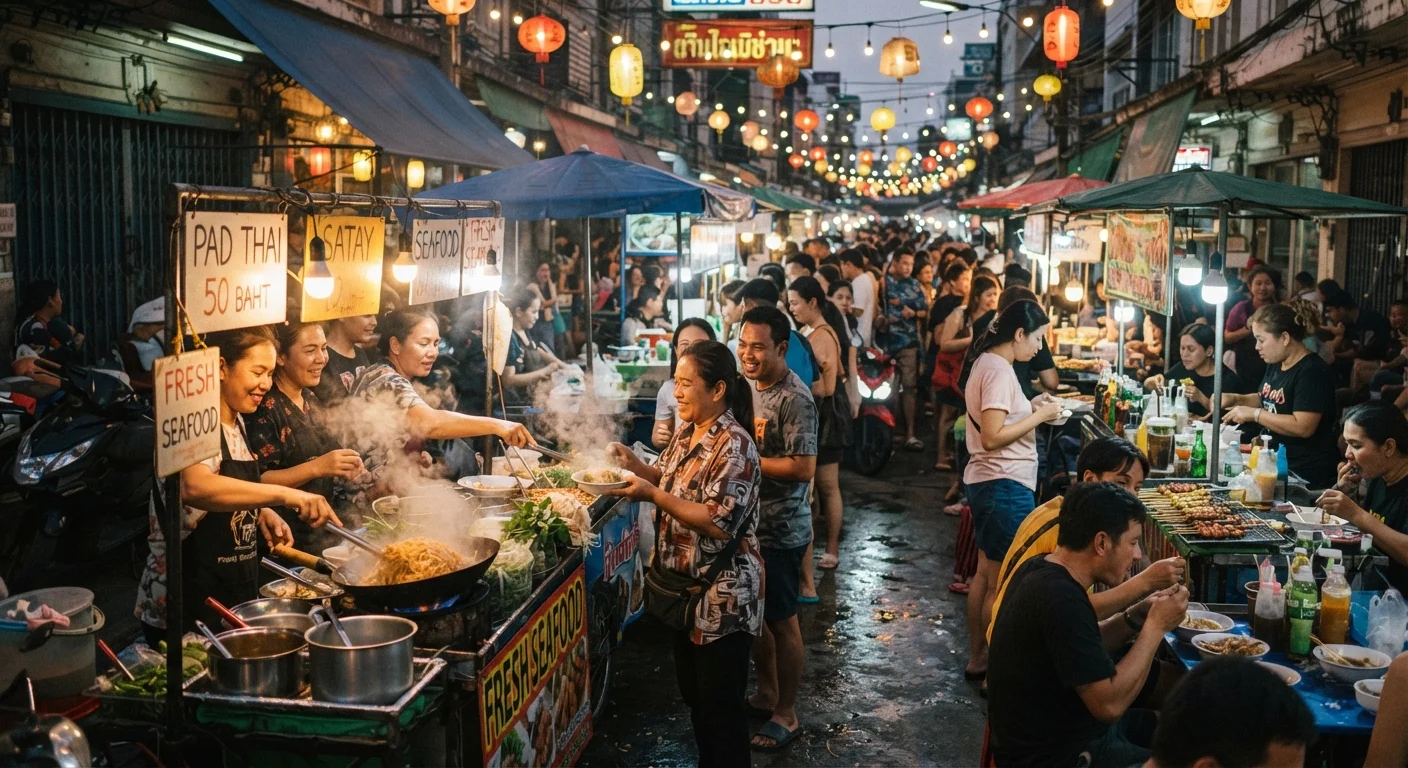
Following a straightforward approach helps you eat adventurously while staying comfortable and respectful. These steps work whether you're exploring a sprawling night market in Southeast Asia or a modest taco cart in a Mexican neighborhood.
Research the food culture before you arrive
Spend an hour before your trip learning the signature dishes, meal times, and market traditions of your destination. Knowing that a particular city is famous for its morning noodle soups or its late-night grilled skewers tells you when and where to show up. Food blogs written by locals, culinary travel documentaries, and community travel forums are useful starting points.
Locate markets and stalls frequented by residents
Steer toward neighborhood wet markets, morning food halls, and roadside stalls in residential areas rather than tourist-facing food courts. Use maps to find markets away from major attractions. Ask your accommodation host - guesthouse owners, homestay families, and local apartment hosts are often happy to point you toward their personal favorites.
Assess a stall's setup before ordering
Look for vendors who cook food to order over high heat, keep raw and cooked ingredients separate, and maintain a clean workspace. A busy stall that cycles through ingredients quickly is generally safer than a quiet one where food has been sitting. Trust your senses - a stall that smells fresh and looks organized is usually a good sign.
Start with one dish and eat slowly
Resist the urge to order everything at once. Choose one dish, eat it mindfully, and let the flavors guide your next choice. This approach also helps your digestive system adjust to new ingredients and spice levels gradually, especially early in a trip.
Engage the vendor with genuine curiosity
Even a simple gesture - pointing at a dish with a questioning look, or attempting to say 'what is this?' in the local language - opens a door. Vendors who are proud of their food (and most are) often light up when customers show real interest. You might learn a dish's name, its regional origin, or a family recipe detail that no travel guide captures.
Reflect on what the food tells you about the place
After eating, take a moment to connect what you tasted to the broader context. The spices in a dish may reflect ancient trade routes. A fermented condiment might speak to preservation traditions born of climate. Street food is edible history. Pairing this kind of reflection with a slower, more immersive travel approach turns a meal into a memory that genuinely deepens your understanding of a place.
Be Mindful of Allergens and Cross-Contamination
Street kitchens often work in tight spaces with shared equipment, so cross-contamination with common allergens like peanuts, shellfish, and gluten is common. If you have food allergies, carry a translated allergy card in the local language and communicate clearly before ordering. When in doubt, skip the dish rather than risk a reaction far from medical care.
Street food exploration pairs naturally with other forms of immersive cultural travel. If you enjoy cultural events alongside local eating, the guidance on attending local festivals as a respectful outsider offers a useful complement to the food market experience.