

Key Takeaways
Why Neighbourhoods Tell the Truth
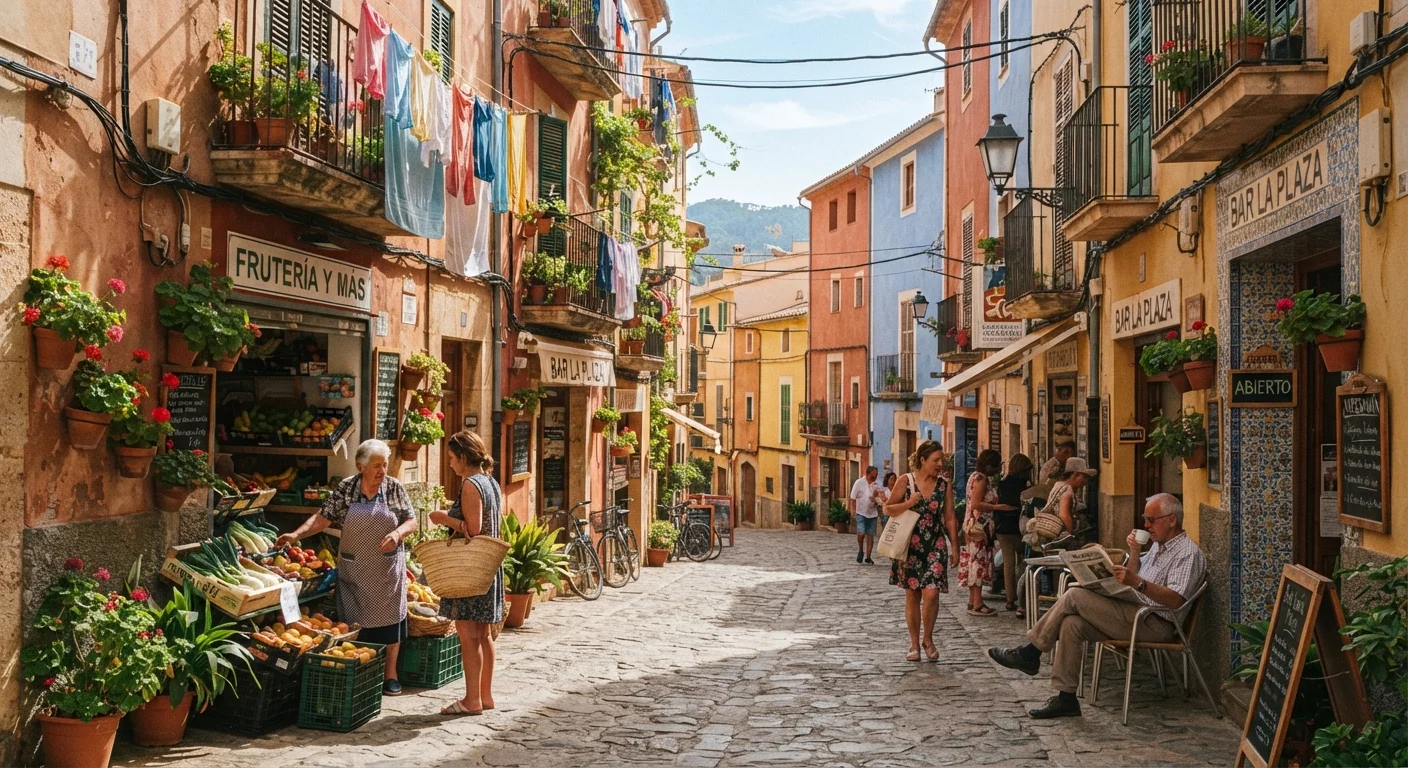
Iconic landmarks exist for very good reasons - they represent a city's history, ambition, or beauty in concentrated form. But they are rarely where a city's character actually lives day to day. A cathedral or a famous square is a snapshot; a neighbourhood is the full album. The corner laundromat, the dominoes game happening outside the barber shop, the smell of something frying at 7 a.m. - these details form the actual texture of a place.
Neighbourhood exploration also connects naturally to the question of impact. When tourist foot traffic concentrates entirely at a handful of landmarks, those spots strain under the pressure while surrounding areas remain invisible. Spreading your curiosity more widely is both a richer experience and a more considerate one. Our article on what makes a place feel undiscovered explores this tension in more depth.
It's also worth noting that urban and rural experiences offer genuinely different cultural lenses - if you're curious how a city neighbourhood compares to a village setting, rural vs. urban cultural experiences lays that out clearly.
What you will need
What You'll Need Before You Go
Neighbourhood exploration is deliberately low-tech and low-cost, but a little preparation makes a meaningful difference. Below are the tools worth having - then follow the steps to put them to use.
Offline maps app
Navigate neighbourhood streets without relying on mobile data, so you can wander freely and confidently.
Small notebook or note-taking app
Jot down street names, café recommendations, or observations you want to remember later.
Local transit card or small cash
Many neighbourhood markets and small shops are cash-only; transit cards help you hop between areas easily.
Time Your Visit Like a Local
Most neighbourhood life peaks in the early morning and late afternoon. Bakeries, markets, and corner shops buzz with regulars before the tourist day begins. Arriving at 8 a.m. rather than 11 a.m. can completely transform what you see and who you meet.
Research neighbourhoods before you arrive
Spend 30-60 minutes reading about the city's distinct districts before you leave home. Look for context about each area's history, demographics, and what daily life looks like - not just which restaurants are trendy. City-specific travel forums, local newspaper travel sections, and public library resources are great starting points. Aim to identify two or three neighbourhoods that align with what you're genuinely curious about: arts culture, local food scenes, immigrant communities, historic architecture, or everyday working life.
Pick one neighbourhood as your anchor for each half-day
Resist the urge to tick off five neighbourhoods in a single day. Choose one area per morning or afternoon and commit to it. This gives you time to notice the small things: the smell of a particular bakery, the rhythm of a street market winding down, the mural you almost walked past. Depth beats distance every time - a concept explored further in our piece on slow travel.
Arrive on foot and ditch the agenda
Enter the neighbourhood by walking in from a transit stop rather than taking a car or rideshare to a single destination. The journey into an area - the transition from one zone to another - is itself revealing. Once you arrive, put your phone in your pocket for at least 20 minutes. Look at what businesses occupy the ground floors. Notice who is gathering where, and when. Let the street layout guide you rather than a curated itinerary.
Use food and drink as your entry point
A neighbourhood's food culture is one of its most honest expressions. Skip the places with menus translated into five languages near the main square and look instead for spots where locals are actually eating. A crowded lunch counter, a bakery with a handwritten board, or a street stall doing brisk trade with regulars - these are your cues. Ordering something unfamiliar is a low-stakes adventure that often sparks a real conversation. For more on this approach, see street food as a window into local life.
Engage respectfully with people and place
A simple smile, a greeting in the local language, or genuine curiosity about someone's work can open a conversation that no guidebook can manufacture. If a shopkeeper or market vendor seems open to chatting, ask them what they'd recommend in the area - not the famous sights, but where they go. Always be ready to step back if someone is busy or uninterested. Remember that the neighbourhood's charm exists because real people maintain it.
Reflect and record what you experienced
Before moving on, take five minutes to sit somewhere - a bench, a café step, a small park - and write down or voice-record a few observations. What surprised you? What felt different from home? What questions came up that you'd like to explore further? This habit builds your understanding of a city across multiple visits and helps you articulate what you actually value in travel, which sharpens every future trip you plan.
Common Pitfalls and How to Avoid Them
Even the most enthusiastic neighbourhood explorer can fall into a few familiar traps. The most common is over-scheduling: arriving with a list of six stops to hit in three hours turns exploration into a task. Give yourself permission to abandon the list if something more interesting appears.
Another pitfall is staying only in areas that already feel comfortable and familiar. The neighbourhoods that push you gently outside your comfort zone - a different language on every sign, unfamiliar food smells, a street layout that doesn't match your expectations - are often the most revealing. That slight disorientation is a signal that you're genuinely somewhere new.
Don't Rely Solely on 'Hidden Gem' Lists
Popular travel blogs can unintentionally funnel crowds into small residential areas, straining local infrastructure and changing the very character that made the neighbourhood interesting. Use those lists as a starting point, then explore adjacent streets on your own. For a broader perspective, our article on overtourism and hidden gems is worth reading before you go.
Respect Local Communities First
Neighbourhoods are places where people actually live and work. Photographing residents, entering private spaces, or treating local life as a performance for your camera can feel intrusive and disrespectful. Always ask before taking photos of individuals, keep your voice down on residential streets, and remember you are a guest. See our guide on the line between curiosity and intrusion for deeper guidance.
Finally, be honest about the boundaries between observation and intrusion. Living neighbourhoods are not open-air museums. Keeping that in mind will make you a more welcome - and more perceptive - visitor wherever you go.