

Key Takeaways
Why Prey Animals Bond Differently
Dogs and cats have thousands of years of domestication working in your favor. Prey animals - rabbits, guinea pigs, birds - carry a very different evolutionary history. In the wild, being approached by a large creature means one thing: danger. That instinct doesn't disappear just because your rabbit lives in a safe home. Understanding this is the foundation of everything.
These animals don't naturally seek out interaction with unfamiliar beings. Trust must be earned gradually, on their terms. Reaching in to pick up a rabbit the day it arrives, or tapping on a bird's cage to get its attention, signals threat rather than friendship. The good news is that prey animals can and do form genuine bonds with their owners - they just require a different approach than the pets most people grew up with.
If you haven't yet prepared your home environment before your pet arrives, our pre-arrival checklist covers the essentials of housing and setup.
Best Practices for Building Trust
The following practices apply broadly to rabbits, guinea pigs, and pet birds. Individual animals vary in personality and background, so treat these as starting points, not rigid rules.
Introduce yourself through scent and sound before touch.
Prey animals rely heavily on smell and sound to assess safety. Letting your pet become familiar with your voice and scent in a low-pressure way reduces the startle response before any physical contact begins.
Always get low and move slowly when interacting.
Looming over a small animal mirrors predator behavior. Dropping to floor level and moving without sudden gestures dramatically reduces perceived threat and makes you appear less intimidating.
Use high-value treats as positive association tools.
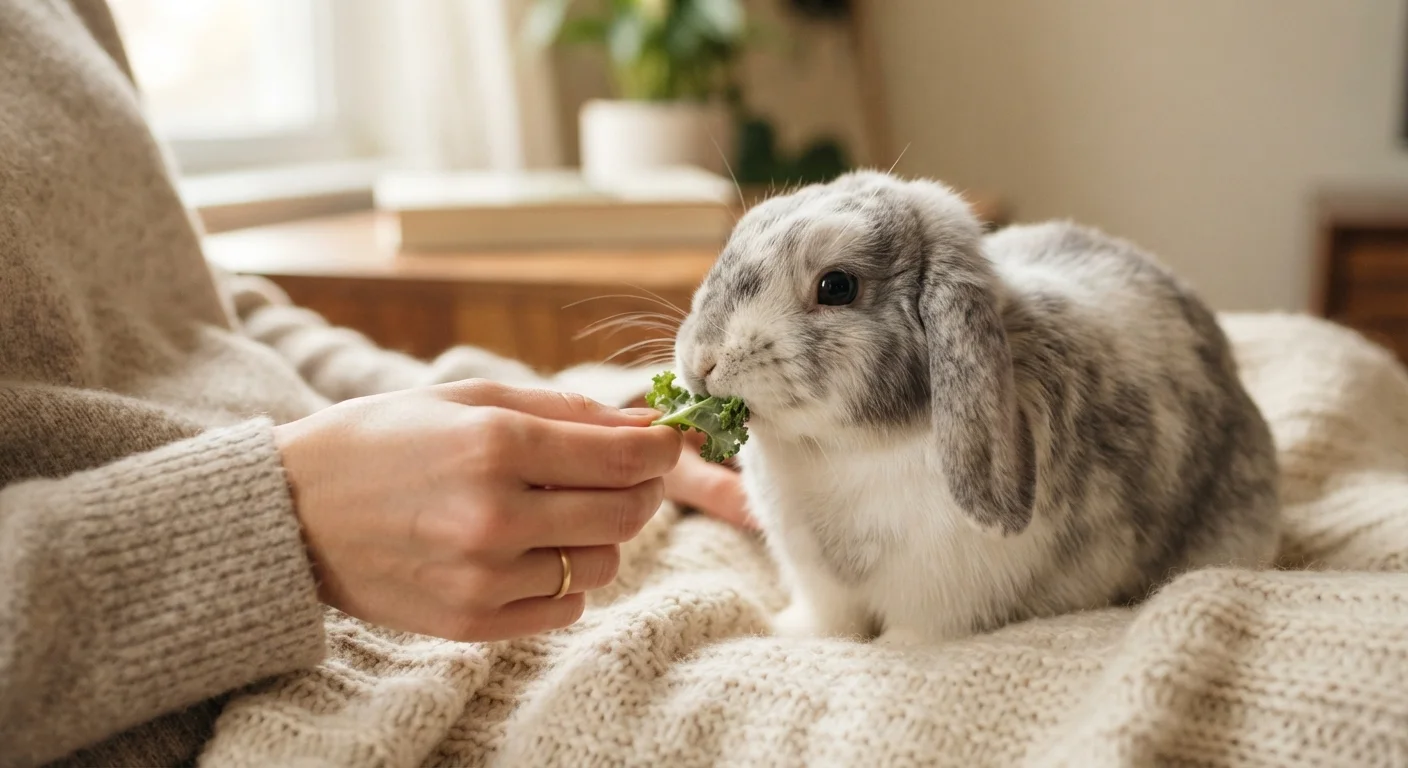
Food is a powerful motivator and one of the fastest ways to build a positive emotional link. When your presence consistently predicts something good, animals begin to associate you with safety rather than uncertainty.
Respect clear body language signals to stop interaction.
Pushing past an animal's comfort threshold teaches it that its signals don't matter, which erodes trust. Learning to read and respond to discomfort signals is as important as initiating positive contact.
Establish a consistent daily routine.
Prey animals find predictability reassuring. Consistent feeding times, handling windows, and environmental conditions reduce baseline anxiety, making your pet more receptive to interaction overall.
Handle minimally at first, and always support the body fully.
Being lifted triggers a prey animal's fear response intensely. When handling is necessary - for health checks or enclosure cleaning - supporting the full body reduces panic and prevents injury from struggling.
Quick Wins to Start Today
You don't need to wait weeks to make a positive impression. These immediate actions can shift your pet's perception of you from 'uncertain' to 'safe' within days.
Let Your Pet Set the Pace
A common mistake new owners make is interpreting stillness or hiding as a sign the animal doesn't like them. In most cases, it simply means the pet needs more time. Resist the urge to speed things up. Animals that are allowed to approach on their own schedule tend to form stronger, more lasting bonds than those that are handled frequently before they're ready.
For guinea pigs especially, social dynamics matter as much as your relationship with them. Our article on guinea pig social behaviour can help you understand what your pet is actually communicating.
Recognizing Progress - and Setbacks
Bonding isn't linear. Your rabbit may explore your lap one day and hide the next. A bird that stepped up confidently yesterday might refuse today. This is normal. Progress with prey animals looks like a general upward trend over weeks and months, not a straight line.
Signs of growing trust include: approaching you voluntarily, relaxed body posture (a flopped rabbit or a bird fluffing contentedly are positive signs), accepting food from your hand without freezing, and vocalizing in your presence - guinea pigs, for instance, often "popcorn" (leap and twist) when genuinely happy and comfortable.
If your pet suddenly withdraws or shows signs of ongoing stress - hiding constantly, refusing food, grinding teeth - it's worth checking in with a vet. Small pets are skilled at masking illness, and behavioral changes can be an early indicator. Our guide on signs a small pet may be unwell covers what to watch for.
This article is for general informational purposes only. For health concerns about your pet, always consult a qualified veterinarian.