

Pets & Animals

Before You Bring Any Small Pet Home

Share
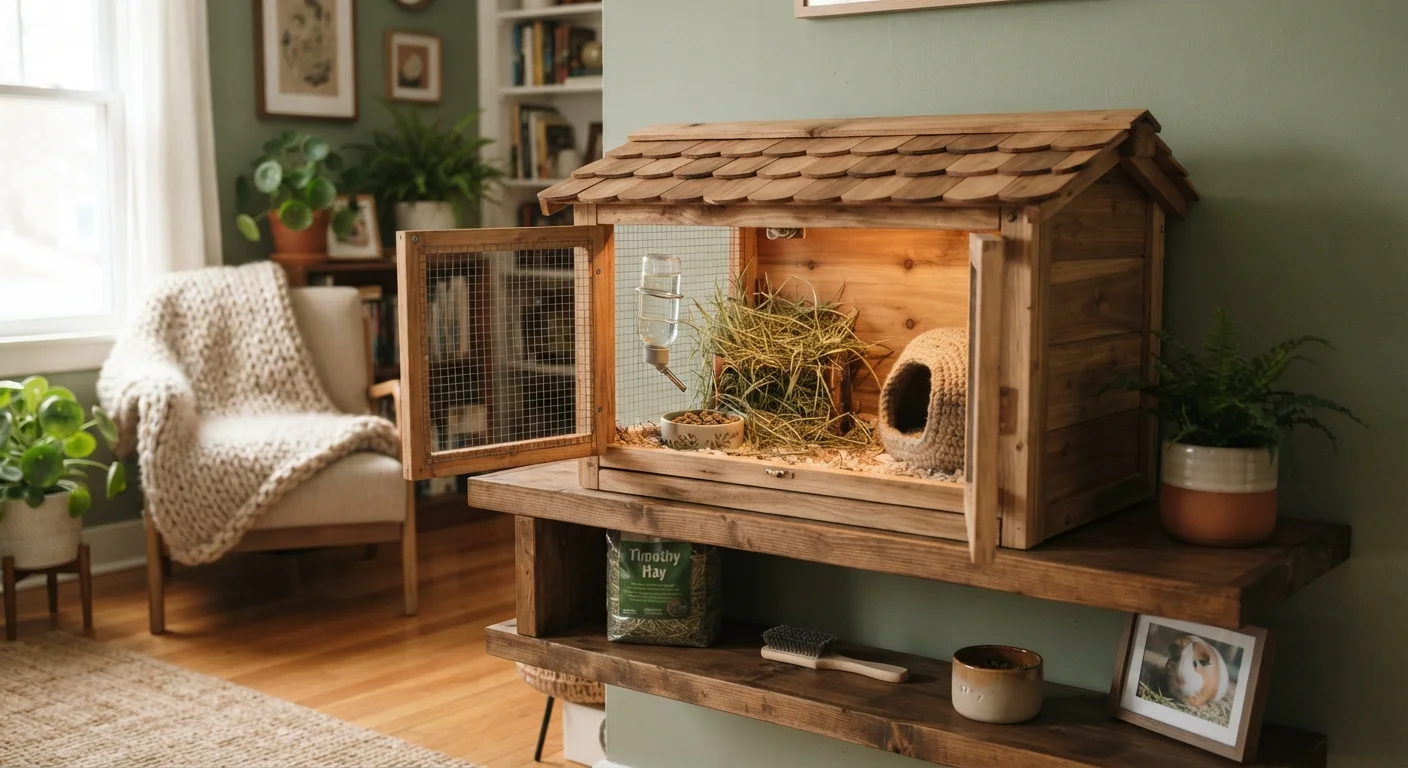
A neatly arranged small pet habitat with hutch, hay, water bottle, and food dish on a shelf.

Key Takeaways

Small pets have specific housing, diet, and social needs that vary considerably by species.
Finding a vet experienced with your pet type before arrival is one of the most important steps you can take.
Many small animals hide signs of illness well, so knowing their baseline behavior matters from day one.
Enrichment and mental stimulation are genuine needs, not optional extras, for most small pets.
Preparing housing, food, and a daily routine before the animal arrives significantly reduces stress for both of you.
30–60 min

Summary

22 items · 30–60 minutes

Why Preparation Matters More for Small Pets

Small pets — rabbits, guinea pigs, hamsters, gerbils, rats, birds, reptiles, and fish — are sometimes assumed to be low-effort companions. In practice, many have surprisingly specific needs, and the consequences of getting the basics wrong often show up quickly. Unlike dogs and cats, small animals frequently mask discomfort and illness until a problem is advanced, which makes good setup and daily observation especially important from the start.

This checklist is designed to be worked through before the animal comes home, not after. If you're setting up for a cat instead, see our room-by-room cat setup guide. For a new dog, the new dog owner checklist covers first-day essentials. This guide focuses on the small-pet household — where preparation is often the difference between a thriving animal and a stressful first month.

Not All Vets Treat Small and Exotic Animals

Many general veterinary practices do not see rabbits, reptiles, birds, or other exotic species — these animals require practitioners with specific training. Finding a qualified vet before your pet arrives, not in the middle of a health concern, is one of the most important steps on this list. Call ahead and confirm the practice has direct experience with your species.

What You'll Need

The specific tools vary by species, but most small pet setups draw on the same core categories. Gather these before arrival day.

Required

Species-appropriate enclosure

Provides safe, correctly sized housing — cage dimensions, ventilation, and material requirements differ significantly between rabbits, hamsters, birds, and reptiles.

Required

Bedding or substrate

Lines the enclosure floor to support natural behaviors like burrowing, absorb waste, and maintain hygiene — the correct type depends on species.

Required

Food and water dispensers

Species-appropriate bowls, sipper bottles, or gravity feeders that keep food and water clean and accessible at all times.

Required

Species-specific diet staples

Core food items — hay, pellets, seed mix, fresh produce, or live food — sourced before arrival so feeding can start correctly from day one.

Required

Hiding spots or nesting material

Gives prey animals a place to retreat and feel secure, which is critical for reducing stress in the first days.

Required

Thermometer or hygrometer

Monitors temperature and humidity inside or near the enclosure — essential for reptiles, birds, and some small mammals with narrow comfort ranges.

Required

Carrier or travel container

Needed to bring the animal home safely and for any future vet visits — should be secure and ventilated.

Optional

Enrichment items

Tunnels, chews, foraging toys, or climbing structures that reduce boredom and support natural behaviour — see <a href="/pets-animals/small-pets-and-more/enrichment-ideas-that-keep-small-pets-mentally-active">enrichment ideas for small pets</a> for guidance.

The Pre-Arrival Checklist

Work through each group below. Items marked must are non-negotiable before the animal arrives. Should items are strongly recommended within the first week. Nice-to-have items improve quality of life over time.

Research and planning

Research your specific species' lifespan, social needs, activity patterns, and legal status in your area before committing. Must
Confirm whether the species is social (guinea pigs, rats) or generally housed alone (hamsters, some reptiles) and plan accordingly. Must
Check local regulations — some reptiles, birds, and exotic mammals require permits or are restricted in certain states. Must
Identify and contact a vet with documented experience treating your species before the animal arrives, not after. Must

Housing and environment

Set up and inspect the enclosure fully at least 24 hours before arrival — check for sharp edges, gaps, and unstable components. Must
Position the enclosure away from direct sunlight, drafts, heating vents, and loud household noise sources. Must
Verify temperature and humidity ranges in the enclosure match species requirements and install a thermometer to monitor them. Must
Add species-appropriate bedding at the correct depth to support natural burrowing or nesting behavior where relevant. Must
Include at least one hiding spot or shelter so the animal can retreat immediately upon arrival. Must

Diet and feeding

Source the core diet staples your species requires and have at least a one-week supply on hand before arrival day. Must
Confirm which foods are toxic to your species — common human foods like avocado, grapes, onion, and chocolate are dangerous to many small animals. Must
Set up food and water dispensers, confirm they are functioning and clean, and fill them before the animal arrives. Must
Ask the seller or rescue what the animal has been eating so you can transition gradually rather than switch abruptly. Should

Health and vet preparation

Book an initial wellness check with an exotic or small-animal vet within the first week of bringing the pet home. Must
Ask the source (breeder, rescue, or store) for any health records, vaccination history, or known medical conditions. Must
Learn your species' normal vital signs and typical daily behavior so you can identify changes early. Should
Save your vet's after-hours contact number and the number for a local emergency animal clinic before you need them. Should

Daily care and routine

Write out a realistic daily care schedule covering feeding, cleaning, and handling — confirm every household member understands their role. Should
Plan for when you travel: identify a knowledgeable pet-sitter or boarding option that accepts your species before a need arises. Should
Add at least one form of environmental enrichment — a tunnel, foraging opportunity, or chew toy — to the enclosure before arrival. Nice to have

Once your pet is settled, enrichment ideas for small animals can help you build on a strong foundation. And knowing the early signs that a small pet may be unwell is genuinely useful reading before your new companion arrives.

Small Animals Often Hide Illness Until It's Advanced

Prey animals — including rabbits, guinea pigs, hamsters, and many birds — instinctively conceal signs of weakness. By the time obvious symptoms appear, a condition may already be serious. Establishing a clear picture of your individual pet's normal appetite, weight, droppings, and activity level in the first days makes it far easier to spot something worth checking with a vet. When in doubt, consult a qualified exotic animal veterinarian promptly rather than waiting to see if things improve.

Pets & Animals Editorial Team is the collective byline for our editorial team and contributor network. Articles published under this byline or an editorial pen name are researched, written, and reviewed according to our editorial standards for clarity, consistency, and independence before publication.

View all articles by Pets & Animals Editorial Team →
Disclaimer: The content provided on our blog site traverses numerous categories, offering readers valuable and practical information. Readers can use the editorial team’s research and data to gain more insights into their topics of interest. However, they are requested not to treat the articles as conclusive. The website team cannot be held responsible for differences in data or inaccuracies found across other platforms. Please also note that the site might also miss out on various schemes and offers available that the readers may find more beneficial than the ones we cover.