

Pets & Animals

New Dog Owner Checklist: What to Have Ready Before Bringing Your Dog Home

Share
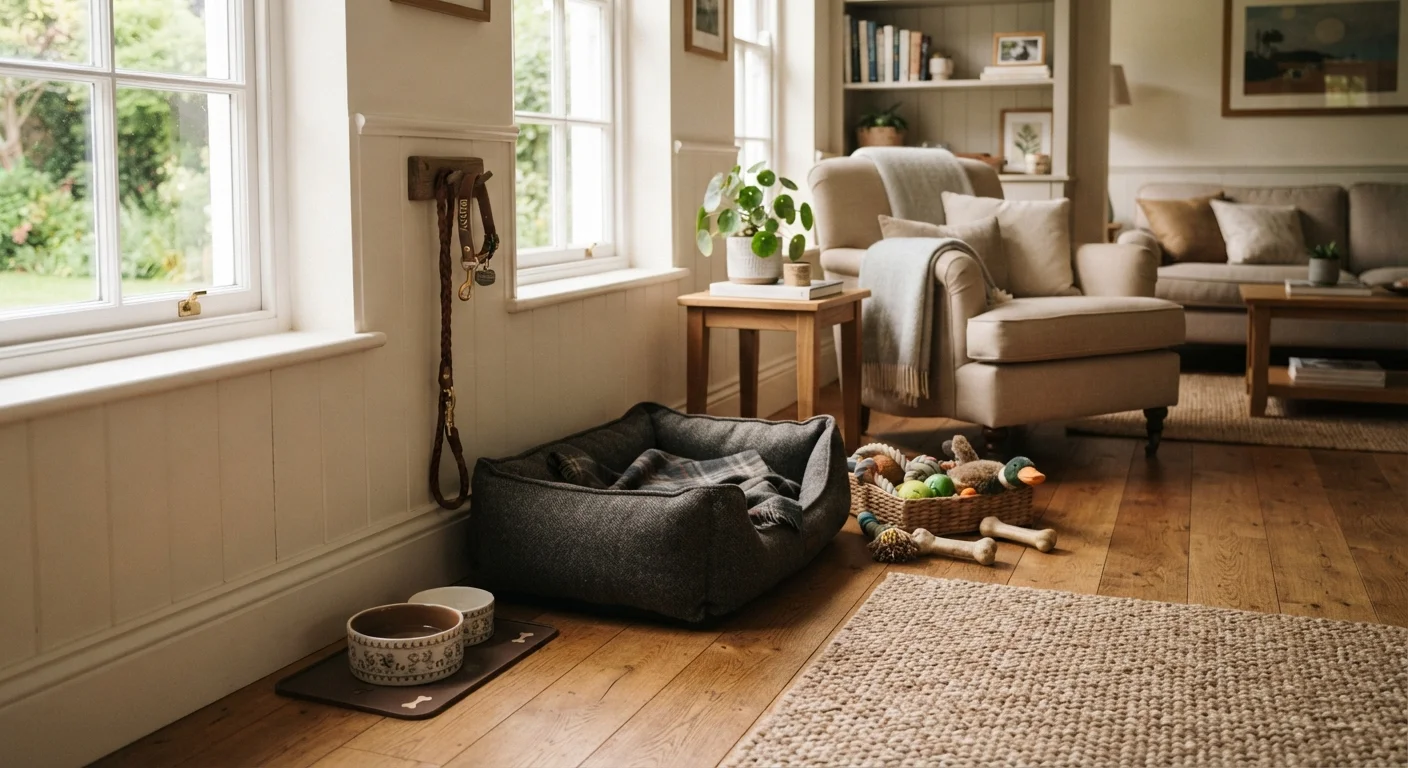
Dog essentials including bed, bowl, leash, collar, and toys arranged on a living room floor.

Key Takeaways

Having essentials like food, bedding, and ID tags ready before your dog arrives reduces first-day stress.
Safety-proofing your home protects a curious new dog from common household hazards.
Booking a vet appointment before pickup ensures your dog gets checked promptly.
A consistent routine from day one helps your dog settle faster and feel more secure.
Puppies and adult dogs have different supply needs — know which you're bringing home.
30–60 min

Summary

24 items · 30–60 minutes

Why Preparation Matters Before Day One

Bringing a dog home is exciting — and a little overwhelming. Dogs are highly sensitive to their environment, and a chaotic or under-prepared home can add unnecessary stress to an already big transition. The good news is that a bit of advance planning goes a long way toward helping your new companion settle in calmly and safely.

This checklist covers everything from the basics (food and a place to sleep) to the details that are easy to overlook (ID tags, toxic plants, vet bookings). Work through it in the days before pickup, not the morning of. If you're still weighing whether to bring home a puppy or an older dog, our guide on puppy vs. adult dog adoption breaks down how supply and care needs differ between the two.

Once you've ticked off this list, check out what to expect in week one so you know how to read your dog's behaviour as they adjust.

Feeding & Hydration

Purchase age-appropriate dog food based on your dog's size and life stage (puppy, adult, or senior). Must
Set out a sturdy food bowl and a separate water bowl in a consistent, accessible spot. Must
Ask the breeder, shelter, or foster carer what food your dog is currently eating so you can transition gradually rather than switching abruptly. Must
Stock a small supply of plain, low-ingredient treats for use during early training and bonding. Should

Sleeping & Comfort

Choose a dog bed or crate sized appropriately for your dog's breed and adult weight. Must
Place the sleeping area in a quiet, low-traffic part of the home where the dog can rest undisturbed. Must
Add a soft blanket or an item with a familiar scent (from the previous home or shelter) to ease the transition. Should
If crate training, introduce the crate as a positive space with treats before your dog arrives. Nice to have

Safety & ID

Fit your dog with a collar that displays an ID tag with your current phone number before they leave the car. Must
Confirm your dog is microchipped and that the chip is registered to your current contact details. Must
Inspect fencing, gates, and garden perimeters for gaps or escape routes before letting your dog outside. Must
Remove or secure toxic plants (such as lilies, sago palm, and azaleas) from areas your dog can reach. Must
Store cleaning products, medications, and human foods that are dangerous to dogs (chocolate, grapes, xylitol) in locked or high-up cabinets. Must

Exercise & Enrichment

Purchase a properly fitted collar or harness and a standard 4–6 foot leash for daily walks. Must
Provide at least two or three toys — including one for chewing and one for interactive play — to keep your dog mentally stimulated. Should
Identify a safe, enclosed outdoor space or nearby park for exercise before your dog arrives. Should

Health & Vet Prep

Book a wellness appointment with a veterinarian within the first week of bringing your dog home. Must
Gather any existing health records, vaccination history, or shelter paperwork to bring to the vet. Must
Ask your vet or rescue about flea, tick, and worming prevention appropriate for your dog's age and location. Should
Research pet insurance options so you're covered before unexpected health issues arise. Nice to have

Grooming & Hygiene

Have a basic grooming kit ready: a brush suited to your dog's coat type, dog-safe shampoo, and nail clippers. Should
Set up a designated spot for muddy paws — a mat near the door and a small towel go a long way. Should
Stock biodegradable waste bags and identify the location of your nearest dog waste bins. Must

What You'll Need to Get Started

Before you shop, take stock of what you already have at home. Some items — like baby gates or a quiet corner for a bed — may not require a purchase at all. Focus your spending on the non-negotiables first.

Required

Collar with ID tag

Provides visible identification from the moment your dog leaves the car.

Required

Crate or dog bed

Gives your dog a secure, dedicated resting space to retreat to.

Required

Food and water bowls

Necessary for feeding your dog consistently in one place.

Required

Leash and collar or harness

Required for safe walks and outdoor time from day one.

Optional

Baby gate or exercise pen

Limits your dog's access to unsafe areas while they're still learning the house rules.

Optional

Basic grooming kit

Allows you to keep your dog comfortable between professional grooming visits.

Don't Switch Food Suddenly

Abruptly changing a dog's diet can cause digestive upset, including vomiting and diarrhea. If you plan to feed something different from what your dog currently eats, mix the new food gradually into the old over 7–10 days. Ask your vet if you're unsure which food is right for your dog's size, age, or health status.

Microchip Registration Is Separate From Chipping

A microchip is only useful if it's registered to your current address and phone number. Many dogs arrive from shelters or breeders with chips registered to previous owners. Verify the registration details and update them before or immediately after pickup.

For a deeper look at the health side of things, our overview of dog vaccinations for new owners explains which vaccines your dog may need and what questions to ask at that first appointment.

And if you're also considering other pets, we have similar prep guides for bringing a cat home for the first time and small pets.

Book the Vet Before You Pick Up Your Dog

Many veterinary practices have waiting times for new patient appointments. Scheduling before you bring your dog home means you won't face a gap in care. Some shelters and rescues require proof of a vet booking as part of their adoption process. Bring all available health records — including vaccination history — to that first appointment.

This article is for general informational purposes only and does not constitute veterinary advice. Always consult a qualified veterinarian for guidance specific to your dog's health and needs.

Pets & Animals Editorial Team is the collective byline for our editorial team and contributor network. Articles published under this byline or an editorial pen name are researched, written, and reviewed according to our editorial standards for clarity, consistency, and independence before publication.

View all articles by Pets & Animals Editorial Team →
Disclaimer: The content provided on our blog site traverses numerous categories, offering readers valuable and practical information. Readers can use the editorial team’s research and data to gain more insights into their topics of interest. However, they are requested not to treat the articles as conclusive. The website team cannot be held responsible for differences in data or inaccuracies found across other platforms. Please also note that the site might also miss out on various schemes and offers available that the readers may find more beneficial than the ones we cover.