

Key Takeaways
Indoor Cat Thriving
An indoor cat is considered to be thriving when its physical health, instinctual behaviors, and emotional well-being are all actively supported within the home environment. This goes beyond simply keeping a cat safe inside - it means providing nutrition, movement, mental stimulation, social connection, and rest in ways that match the cat's natural needs. A thriving indoor cat is curious, maintains a healthy weight, engages with its environment, and shows no signs of chronic stress or boredom.
Veterinary and animal behavior organizations distinguish between a cat that is merely surviving indoors and one that is behaviorally and physiologically healthy. Chronic under-enrichment can lead to stress-related conditions including over-grooming, aggression, and elimination outside the litter box.
The Foundation: Nutrition and Hydration
Every aspect of a cat's health starts with what - and how - they eat. Cats are obligate carnivores, meaning they require nutrients found only in animal-based proteins. A diet that doesn't meet these needs can affect everything from coat quality to kidney function over time.
Portion control matters just as much as ingredient quality. Overfeeding is one of the most common issues in indoor cats, whose caloric needs are often lower than owners assume. Our companion guide on feeding your cat well breaks down how to read labels and build a consistent feeding schedule.
Hydration is equally important - cats have a naturally low thirst drive, which means many don't drink enough from a standard bowl. Wet food, water fountains, or multiple water stations placed away from the food bowl can all encourage better fluid intake and help support urinary tract health.
Space Water Away From Food Bowls
Cats' instincts lead them to distrust water sources near their food - in the wild, still water near prey could be contaminated. Placing water bowls in a separate location from the food station, or offering a slow-moving water fountain, can meaningfully increase daily water intake.
Movement, Play, and Hunting Instincts
A cat confined indoors without adequate physical and mental stimulation is at real risk of boredom-related stress. Cats are instinctive hunters, and that drive doesn't disappear just because food arrives in a bowl twice a day.
Interactive play - using wand toys, feather teasers, or puzzle feeders - lets cats stalk, pounce, and "catch" in a way that satisfies their predatory instincts. Rotating toys regularly keeps novelty alive; the same toy left out for weeks tends to lose its appeal quickly.
12-16 hrs
Average daily sleep time for adult cats
Veterinary sources consistently report that cats are crepuscular animals that sleep the majority of the day, with peak activity at dawn and dusk.
2-3x
Longer average lifespan of indoor vs. outdoor cats
According to the American Veterinary Medical Association, indoor cats generally live significantly longer than outdoor cats due to reduced exposure to disease, predators, and traffic.
~50%
Of pet cats estimated to be overweight or obese
Multiple veterinary surveys in the U.S. have found that roughly half of domestic cats are above a healthy body weight, with indoor sedentary lifestyles and overfeeding as key contributing factors.
Vertical space is another underappreciated need. Cat trees, wall-mounted shelves, and window perches give cats places to climb, survey their territory, and retreat. This is especially important in multi-cat homes or smaller apartments. Our room-by-room setup guide offers a practical checklist for creating a cat-friendly environment.
For cats living alone, the enrichment challenge is even greater. See our resource on keeping a solo cat mentally stimulated for ideas that work in everyday home spaces.
Scratching, Rest, and Territory
Scratching is not misbehavior - it's a fundamental feline need. Cats scratch to maintain claw health, stretch muscles, and mark territory through scent glands in their paws. Without appropriate outlets, they will find their own, usually on furniture.
Offering scratching posts or pads in multiple locations - especially near sleeping spots and entry points to rooms - gives cats acceptable targets and reduces furniture damage. Both vertical and horizontal surfaces appeal to different cats, so it's worth providing both options.
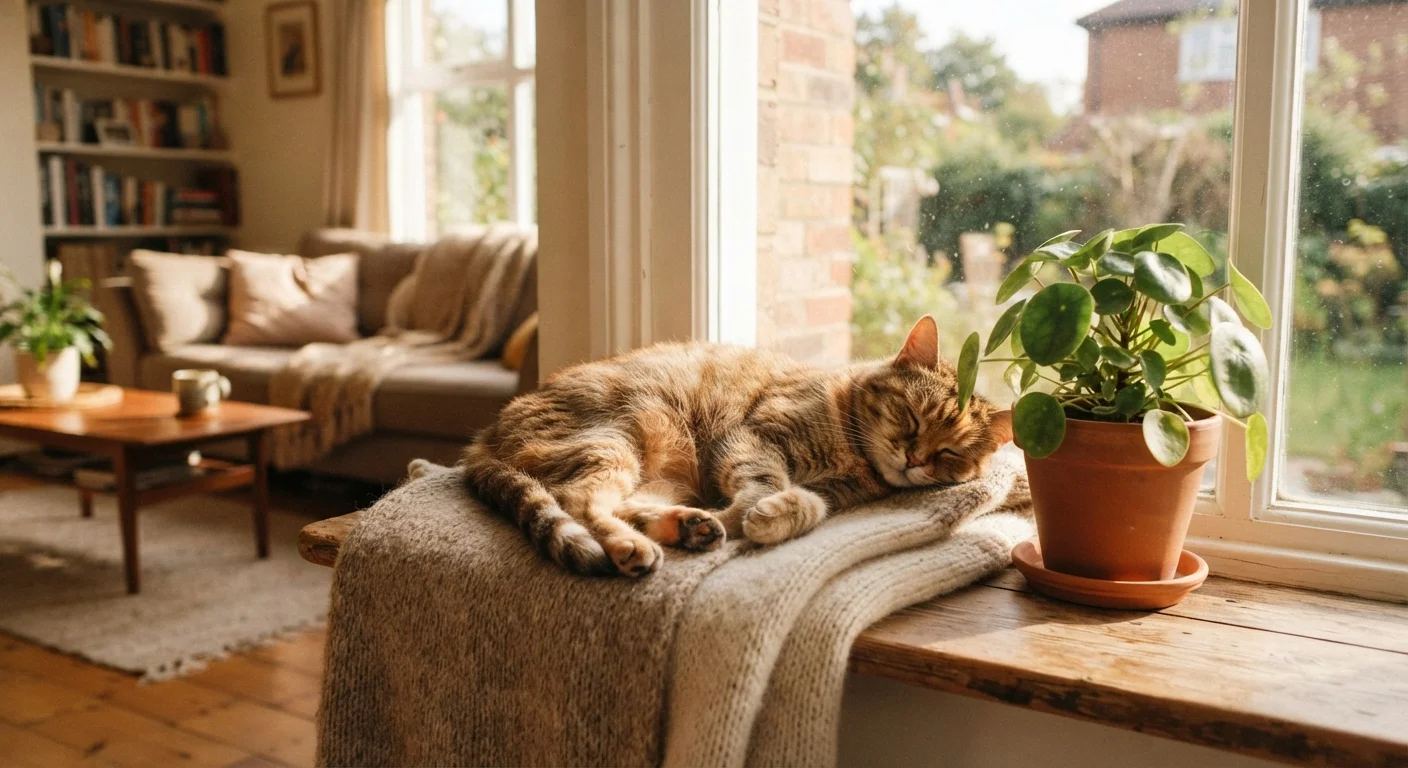
Cats also sleep between 12 and 16 hours a day. Providing several quiet, comfortable resting spots at varying heights helps cats feel secure and in control of their space. Avoid forcing interaction during rest periods - respecting a cat's downtime is part of meeting their emotional needs.
Declawing Is Not a Scratching Solution
Declawing (onychectomy) is a surgical procedure that removes the last bone of each toe and is considered inhumane by many veterinary organizations, including the American Association of Feline Practitioners. It can cause chronic pain and behavioral changes. Providing appropriate scratching surfaces and regular nail trims are the recommended alternatives.
Litter Box Hygiene and Placement
Litter box problems are one of the most common reasons cat owners seek veterinary advice - and most issues are preventable. Cats are highly sensitive to cleanliness and location, and a poorly maintained or poorly positioned box is a significant source of stress.
Scoop at least once daily and perform a full litter change regularly. Boxes should be placed in quiet, low-traffic areas where the cat won't feel ambushed or trapped, and away from food and water stations. Avoid placing boxes in closed-off rooms that restrict easy access.
If you notice your cat suddenly avoiding the litter box, consult a veterinarian promptly. This can sometimes indicate a medical issue rather than a preference problem - and our article on signs your cat may not be feeling well can help you recognize when a vet visit is warranted.
Social Connection and Routine
Cats are often labeled as independent, but most still need regular, positive interaction with their owners. The quality and consistency of that interaction shapes their long-term emotional health. Daily rituals - a morning grooming session, an evening play period, calm lap time - build trust and reduce anxiety.
Grooming is also a practical care need, not just a bonding activity. Regular brushing prevents mats, reduces hairballs, and gives owners a chance to notice any changes in coat or skin. For guidance on which grooming tasks are owner-appropriate and which warrant professional help, see our home grooming guide.
Finally, annual veterinary check-ups are a non-negotiable part of responsible care. Indoor cats can still develop dental disease, weight issues, and internal conditions that aren't obvious from the outside. For a broader view of what responsible ownership involves, our comprehensive guide on responsible cat ownership covers everything from microchipping to veterinary care schedules.
This article is for general informational purposes only and is not a substitute for professional veterinary advice. Always consult a qualified veterinarian for guidance specific to your cat's health and needs.