

Key Takeaways
Sinking Fund
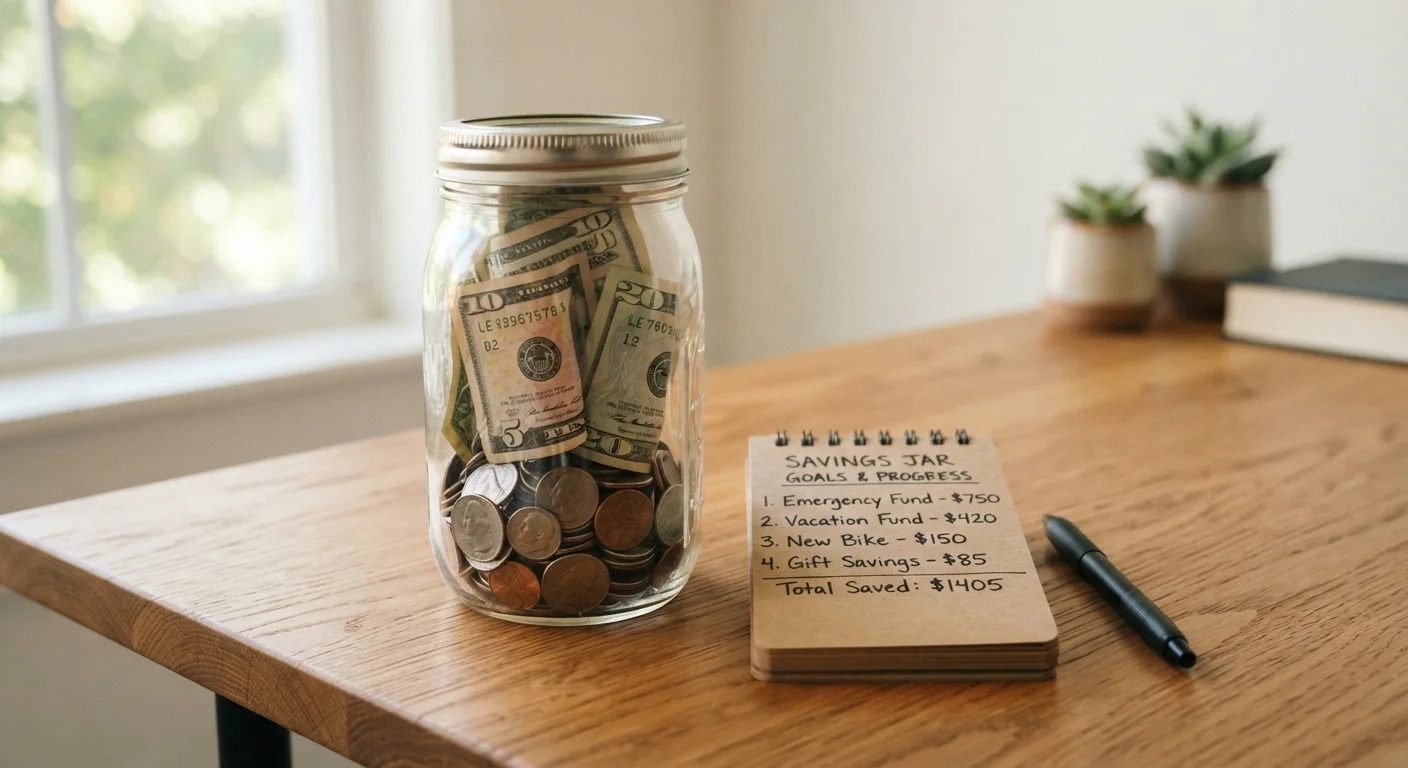
A sinking fund is a dedicated savings pot you fill gradually - month by month - so that when a large, predictable expense arrives, the money is already waiting. Instead of scrambling to cover a $600 car repair or a $400 insurance renewal, you've quietly been setting aside $50 a month for it. It's a straightforward way to stop irregular costs from derailing your budget.
The term originally described a government or corporate mechanism for retiring debt by making scheduled contributions into a reserve fund. In personal finance, it has been adapted to mean any designated savings bucket for a known future expense.
Why Irregular Expenses Break Most Budgets
Most budgeting advice focuses on fixed monthly costs - rent, utilities, subscriptions. That framework works fine until November arrives and you're staring at holiday gifts, a car registration fee, and a dentist co-pay all in the same week. These expenses weren't surprises, exactly - you knew they were coming - but they weren't in the monthly budget either.
This is the quiet budget-buster that most people forget to account for: the costs that arrive annually, semi-annually, or just irregularly enough to feel like ambushes. A sinking fund is the fix.
Sinking Funds vs. Emergency Funds
It's worth keeping these two concepts separate. An emergency fund is a general safety net for truly unpredictable events - job loss, sudden illness, a major unplanned repair. A sinking fund is for costs you already know are coming, even if the exact timing varies. Ideally, you'd build both over time, but if you're starting from scratch, even a small emergency fund of one month's essential expenses is a worthwhile first priority.
How a Sinking Fund Actually Works
The mechanics are simple. You identify an irregular expense, estimate its total annual cost, divide by 12, and set aside that amount each month. When the bill arrives, you pay it from the fund - no scrambling, no credit card debt, no stress.
Here's a concrete example: suppose your car typically needs about $480 in maintenance and tires each year. Divide $480 by 12 and you get $40 per month. Set that aside consistently and you'll have the full amount ready before the repair bill lands.
The same logic applies to any predictable irregular expense. A $240 annual insurance premium? That's $20 a month. $360 for holiday gifts? $30 a month. Each fund is its own small, purposeful savings target.
~$1,500
Average American household's annual car maintenance cost
According to AAA's annual "Your Driving Costs" research, vehicle maintenance, tires, and repairs represent one of the largest irregular household expenses for car owners.
36%
Adults who couldn't cover a $400 emergency without borrowing
The Federal Reserve's Report on the Economic Well-Being of U.S. Households has consistently found that a significant share of adults lack liquid savings for modest unexpected costs.
Setting Up Your First Sinking Fund
Start with just one category - whichever irregular expense causes you the most anxiety. Work through these steps:
- Name the expense. Be specific: "car maintenance," "annual vet visit," "holiday gifts."
- Estimate the annual cost. Look at past bank statements or receipts if you're unsure. A rough estimate is far better than nothing.
- Divide by 12. That's your monthly contribution target.
- Open a dedicated account or sub-account. Keeping the money separate reduces the temptation to spend it on daily costs.
- Automate the transfer. Schedule it to move automatically on payday. Automating your savings removes the decision entirely and makes the habit nearly effortless.
Once the first fund feels comfortable, add a second. Most people eventually run three to five funds simultaneously without it feeling complicated - each is just a labeled bucket filling up quietly in the background.
Label Each Fund Clearly
When you name a sub-account something specific - "Car Repairs" or "Holiday Gifts" - you're far less likely to dip into it for everyday spending. The label creates a psychological barrier that keeps the money where it belongs. Many online banks allow free sub-accounts with custom names, making this easy to set up.
Making the Habit Stick
A sinking fund only works if contributions happen consistently. The single most effective move is automation - treating the monthly transfer like a bill you pay yourself. Because the amounts are small and predictable, most people find them easy to absorb into their existing budget.
It also helps to review your funds once or twice a year. Life changes: your car gets older, your family grows, your insurance costs shift. Adjust the monthly contributions as needed so the funds stay calibrated to reality. Building this kind of regular review into your routine is one of the habits that make budgeting stick over the long term.
If you want to uncover other expenses that might deserve their own fund, a quick self-audit of your spending can reveal costs you've been overlooking or underestimating.
This article is for general informational and educational purposes only and does not constitute personalized financial advice. Consider consulting a qualified financial professional for guidance specific to your situation.