

Key Takeaways
Summary
22 items · 20-45 minutes
Why Your Budget May Not Reflect Reality
Most people have a rough sense of where their money goes - rent, groceries, utilities, maybe a streaming service or two. But there's usually a gap between what people think they spend and what their bank statements actually show. That gap is where spending leaks live.
A spending leak isn't a reckless purchase. It's a recurring cost you approved once, then forgot - or a habit you never thought to price out. Think of the gym membership you barely use, the app subscription that auto-renewed, or the daily coffee that never made it into your mental budget. None of these feel significant in the moment, but together they can quietly drain hundreds of dollars a year.
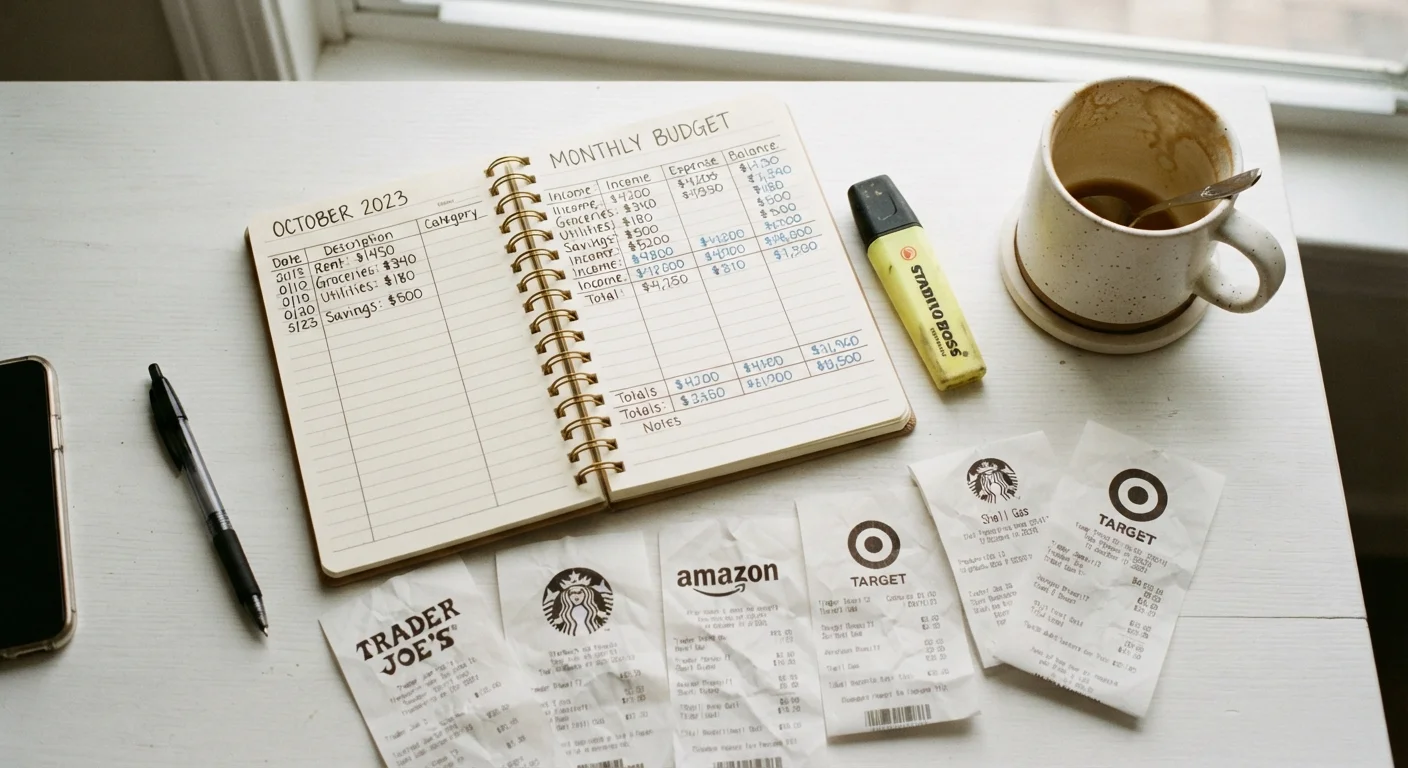
This self-audit gives you a structured way to surface those costs. You'll need one to three months of bank and credit card statements and about 30 minutes of focused attention. If you're working toward a savings goal, pairing this audit with everyday saving habits can help you turn what you find into lasting change.
Estimates Are Not Enough
Mental estimates of spending are almost always lower than actual figures. Studies consistently show people underestimate discretionary spending - sometimes by a wide margin. Use real statements, not memory, for every figure in this audit. The point isn't to judge past decisions; it's to see the real numbers clearly so you can make informed ones going forward.
What You'll Need Before You Start
Gathering the right tools upfront keeps the process from stalling mid-audit. You don't need special software - a spreadsheet or even pen and paper works fine.
Bank & Credit Card Statements
Your primary source of truth - pull at least two to three months to capture monthly and quarterly recurring charges.
Spreadsheet or Notebook
Used to log each expense, assign a category, and calculate monthly totals.
Email Inbox Search
Search for terms like "receipt," "renewal," and "subscription" to surface charges you may not remember authorizing.
Budgeting App
Optional tool that can automatically categorize transactions and highlight recurring charges across accounts.
Once you have your statements in hand, highlight or flag every recurring charge first - subscriptions, memberships, insurance premiums, automatic top-ups. These are the easiest leaks to miss because they happen without any active decision on your part. After that, move to variable categories: dining out, convenience purchases, and impulse buys. For a deeper look at what budget categories people commonly forget to track, see overlooked expense categories.
The Self-Audit Checklist
Work through each group below systematically. For every item, note the actual monthly cost from your statements - not what you estimate. Honest numbers are what make an audit useful.
Subscriptions & Memberships
Food & Beverage Habits
Convenience & Comfort Spending
Financial Costs & Fees
Irregular & Seasonal Expenses
Final Review Steps
Once you've completed the audit, categorize each identified cost as keep, reduce, or cancel. This prevents the exercise from becoming overwhelming - you're not cutting everything, just making intentional choices. A monthly budget reset checklist can help you apply what you find here into your next month's plan.
This article is for general informational purposes only and does not constitute personalised financial advice. For guidance specific to your situation, consider speaking with a qualified financial professional.