

Key Takeaways
Universally accepted in cash-dependent destinations
Many markets, rural areas, and small businesses worldwide operate exclusively in local currency. Having cash on hand means you're never turned away at critical moments.
No technology required to use
Power outages, poor connectivity, and card reader malfunctions won't affect a cash transaction. This reliability matters most in off-the-beaten-path locations.
Helps with real-time budget awareness
Physically handing over notes makes spending feel more tangible, which many travelers find naturally curbs impulse purchases and keeps daily costs in check.
No foreign transaction or processing fees
Once you've exchanged currency, each transaction costs nothing extra - unlike some cards that add a percentage fee on every foreign purchase.
Lost or stolen cash is almost never recovered
Unlike a card, cash carries no consumer protection. If your wallet disappears, that money is almost certainly gone for good, which is a serious risk in busy tourist areas.
Airport and hotel exchange rates are often unfavorable
Convenience-based currency exchange points tend to apply significant markups over the actual interbank rate, meaning you may lose a meaningful percentage right at the start of your trip.
Carrying large amounts increases personal risk
Holding substantial cash to cover a multi-week trip makes you a more attractive target for theft and creates anxiety around keeping funds secure throughout the journey.
Difficult to track granular spending accurately
Without receipts or digital records, reconstructing where your cash went at the end of a trip - or even a single day - can be genuinely difficult.
Our Verdict
Neither cash nor travel cards is universally superior - the right balance depends on your destination, spending habits, and comfort with risk. For most trips, a hybrid approach of modest local currency plus a low-fee card offers both practicality and security. Understanding the trade-offs before you leave helps you avoid unpleasant surprises on the road.
Everyday travelers heading abroad who want to stretch their budget without getting caught off-guard by fees, card declines, or currency shortages.
Why This Decision Matters More Than You Think
How you carry money abroad can quietly shape your entire trip. A declined card at a remote guesthouse, or a pickpocket moment with all your cash, can derail plans fast. The good news: a little preparation goes a long way. Understanding the genuine trade-offs between physical currency and travel cards lets you build a payment strategy that matches your destination, not just your preference.
This isn't a one-size-fits-all situation. A week in rural Southeast Asia calls for a very different approach than a long weekend in a major European city. Hidden travel costs like ATM charges and currency conversion markups are worth factoring in before you depart.
Check Currency Rules Before You Fly
Some countries restrict how much foreign or local currency you can bring across their borders, and others require you to declare amounts above a certain threshold at customs. These rules vary widely and can change. Always check the official entry requirements for your destination country and your home country's customs regulations well before departure.
The Case for Carrying Cash
Cash still rules in many corners of the world. Street markets, rural guesthouses, taxis, and small family-run restaurants often operate entirely in local currency. Arriving without any cash puts you at the mercy of airport exchange booths - which typically offer some of the least favorable rates available.
Universally accepted in cash-dependent destinations
Many markets, rural areas, and small businesses worldwide operate exclusively in local currency. Having cash on hand means you're never turned away at critical moments.
No technology required to use
Power outages, poor connectivity, and card reader malfunctions won't affect a cash transaction. This reliability matters most in off-the-beaten-path locations.
Helps with real-time budget awareness
Physically handing over notes makes spending feel more tangible, which many travelers find naturally curbs impulse purchases and keeps daily costs in check.
No foreign transaction or processing fees
Once you've exchanged currency, each transaction costs nothing extra - unlike some cards that add a percentage fee on every foreign purchase.
Cash also gives you total spending control. When your physical funds are visible and finite, it's easier to pace yourself. Many budget travelers swear by the envelope method - dividing their daily cash allowance into separate amounts - to avoid overspending across a multi-week trip. See how this connects to broader savings trade-offs that everyday budgeters navigate.
The Case for Travel Cards
Travel-friendly debit and prepaid cards have matured significantly. Many now offer fee-free foreign transactions, real-time exchange rates close to the interbank rate, and instant spending notifications. For longer trips, tracking your budget through an app beats counting crumpled notes at the end of each day.
Lost or stolen cash is almost never recovered
Unlike a card, cash carries no consumer protection. If your wallet disappears, that money is almost certainly gone for good, which is a serious risk in busy tourist areas.
Airport and hotel exchange rates are often unfavorable
Convenience-based currency exchange points tend to apply significant markups over the actual interbank rate, meaning you may lose a meaningful percentage right at the start of your trip.
Carrying large amounts increases personal risk
Holding substantial cash to cover a multi-week trip makes you a more attractive target for theft and creates anxiety around keeping funds secure throughout the journey.
Difficult to track granular spending accurately
Without receipts or digital records, reconstructing where your cash went at the end of a trip - or even a single day - can be genuinely difficult.
Cards also offer a crucial safety net: if a card is lost or stolen, it can usually be frozen remotely within seconds. That's a meaningful advantage cash simply cannot match. Slow travel strategies often pair well with card-based spending, since longer stays in fewer places mean more predictable access to ATMs and merchant card acceptance.
Finding the Right Mix for Your Trip
Most experienced travelers land on a hybrid approach - and for good reason. Arriving with a modest amount of local currency (enough to cover transport and the first night) sidesteps the scramble for an ATM after a long flight. A low-fee travel card handles larger purchases, bookings, and emergencies.
~40%
Global transactions still made in cash
According to general estimates from financial research organizations, cash remains a significant share of consumer transactions worldwide, particularly in developing economies.
1-3%
Typical foreign transaction fee on standard cards
Many standard bank-issued debit and credit cards charge a foreign transaction fee per purchase abroad; travel-specific cards often waive this fee entirely.
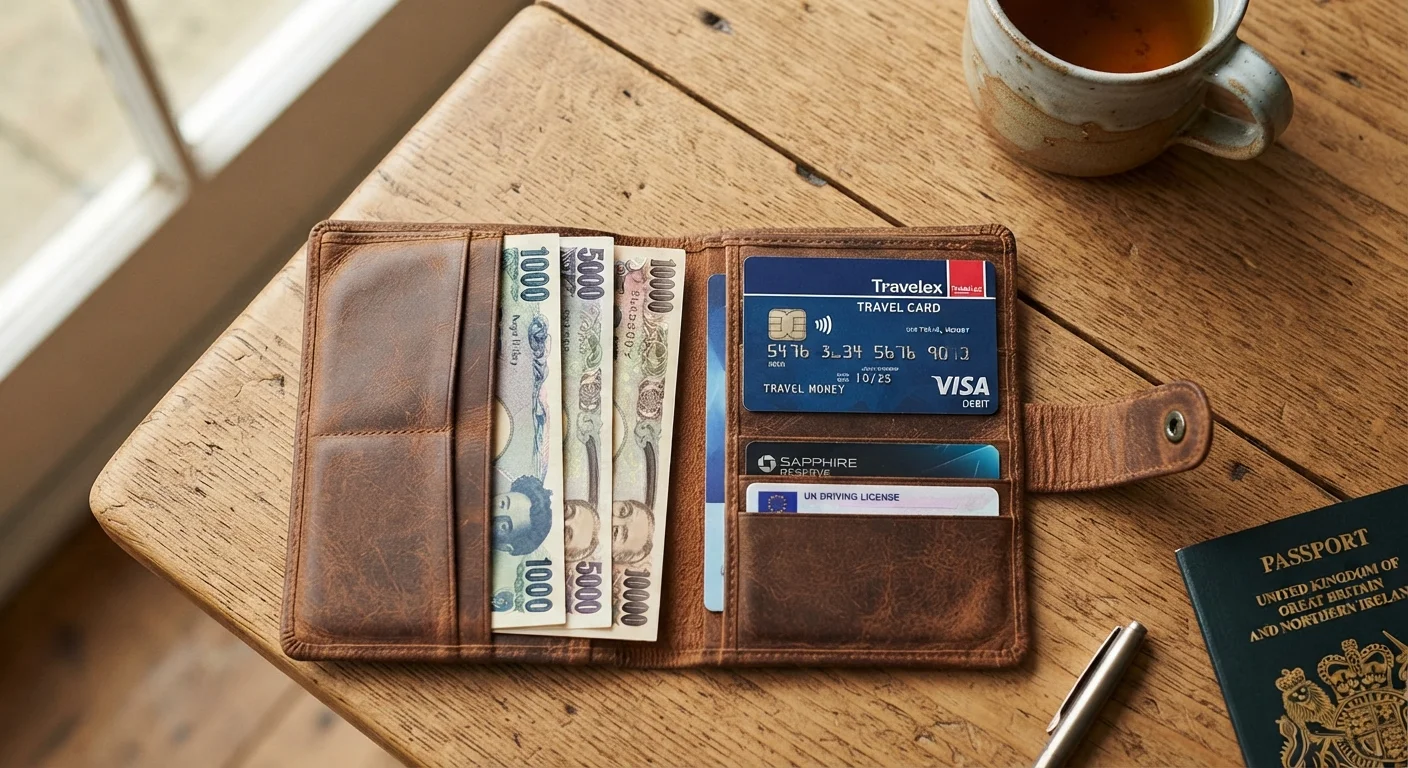
Before you leave, research your specific destination's card acceptance norms. Urban Japan, for instance, has historically been more cash-dependent than many visitors expect, despite being a highly developed country. Conversely, card infrastructure in Scandinavia is extensive enough that some businesses no longer accept cash at all.
For a fuller picture of managing costs on the road, traveling affordably without sacrificing experiences covers the broader landscape of smart budget travel.
This article is for general informational purposes only and does not constitute financial advice. Currency regulations, card acceptance, and ATM availability vary by country and can change. Always verify current entry requirements, currency rules, and travel advisories with official government and financial institution sources before traveling.