

Key Takeaways
Why Routine Matters More Than You Might Think
Dogs don't experience time the way humans do, but they're remarkably good at learning patterns. When feeding, walks, and bedtime happen at predictable intervals, dogs develop a reliable internal clock - and that predictability is genuinely calming for them. Without it, many dogs display anxious behaviours like excessive barking, destructive chewing, or housetraining regressions.
Veterinary and animal behaviour professionals consistently point to routine as one of the most effective tools for managing stress in dogs. A structured day doesn't just benefit your dog, either - it also makes your responsibilities as an owner feel much more manageable. If you're working on your own daily habits at the same time, our guide to building a daily habit from scratch explores how consistent scheduling works for humans too.
“The single most important thing you can do for a dog's emotional wellbeing is give them a predictable world. Uncertainty is exhausting for them.”
— Applied Animal Behaviourist (general consensus position), Reflected across veterinary behavioural guidance from organisations including the American Veterinary Society of Animal Behavior
The Core Elements Every Dog's Day Should Include
A well-structured dog day doesn't need to be complicated. Focus on covering these key pillars consistently:
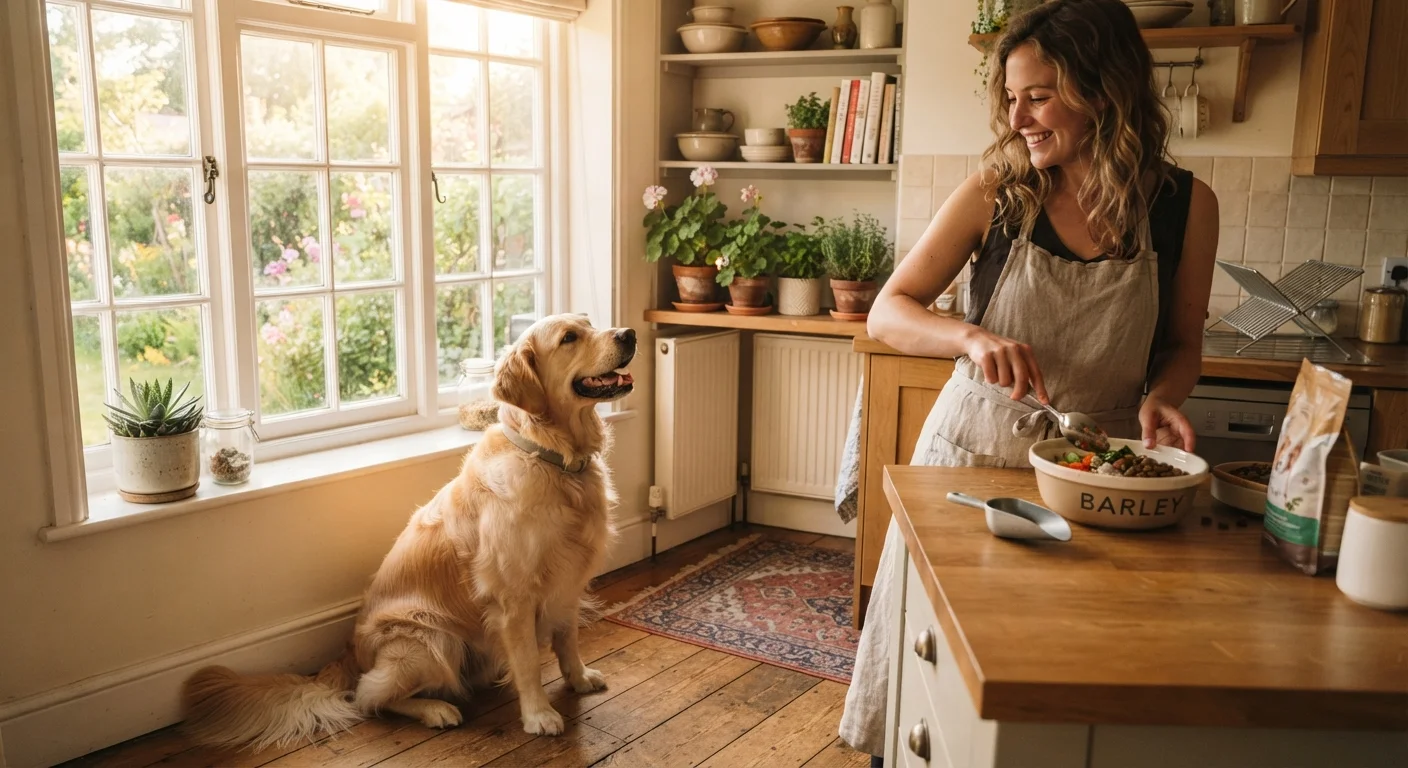
- Feeding: Offer meals at the same times each day. Most adult dogs do well with two meals; puppies generally need three or more. Consistent feeding times also make housetraining significantly easier.
- Exercise and walks: Daily outdoor time is non-negotiable. Walks aren't just physical - they provide mental stimulation through smells, sights, and social interaction. See what else daily walks do for your dog beyond simple exercise.
- Rest and downtime: Dogs sleep 12-14 hours a day on average. Build quiet rest periods into the schedule, especially after activity.
- Training and enrichment: Short training sessions (5-10 minutes) woven into the day reinforce good behaviour without overwhelming your dog.
- Social and play time: Bonding play strengthens your relationship and keeps your dog mentally engaged.
Set fixed meal times and stick to them every day.
Consistent feeding times regulate your dog's digestion, reinforce housetraining cues, and signal the start of the day's rhythm. Irregular meals can cause digestive upset and increase food-guarding anxiety.
Schedule at least two walks per day at consistent times.
Walks meet physical, mental, and social needs simultaneously. Predictable walk times give dogs something to anticipate, which itself reduces restless or anxious behaviour during waiting periods.
Build short, daily training sessions into the routine.
Five to ten minutes of low-key training - sit, stay, recall - keeps a dog mentally engaged and reinforces the human-dog relationship. Regular practice also prevents previously learned commands from fading.
Protect daily rest and downtime, especially after exercise.
Overtired dogs can become anxious, reactive, or hyperactive - the opposite of what owners expect. Rest periods allow the nervous system to recover and help dogs generalise the lessons from training and play.
Introduce routine changes gradually rather than all at once.
Sudden schedule shifts - a new work schedule, a house move, a new family member - can genuinely unsettle dogs. Gradual transitions allow dogs to adapt without significant stress or regression.
How to Build a Routine That Works for Both of You
The most sustainable routine is one anchored to your existing schedule, not an idealised version of it. Look at when you naturally wake up, eat, leave for work, and wind down - then map your dog's needs around those moments. Early morning walks, midday feeding, and an evening play session are a common starting framework.
If your schedule shifts between weekdays and weekends, try to keep your dog's core feeding and walk times within an hour of each other - dramatic swings can unsettle even an otherwise relaxed dog. For differences between puppy and adult dog needs, this comparison of puppy versus adult dog care is a helpful starting point.
Troubleshooting Common Routine Challenges
Most new dog owners hit at least one or two snags when establishing a routine. Here are the most common hurdles and how to address them:
- Your dog wakes you up too early: Avoid rewarding early wake-ups with immediate attention or food. Gradually shift feeding time slightly later each day until you reach your target.
- Destructive behaviour during alone time: This often signals under-stimulation. Add a puzzle feeder or a chew toy during alone periods, and ensure your dog has had sufficient exercise beforehand.
- Resistance to sleep or rest: Dogs who aren't getting enough physical activity often struggle to settle. A longer or more vigorous walk before bedtime usually helps.
It's also worth watching for quieter signs that something is off. Signs your dog might be unwell can sometimes look like routine disruption - so if behaviour changes persist, a vet check-in is worthwhile.
Start Simple, Then Layer In
Don't try to build a perfect routine on day one. Start with fixed meal times and one consistent walk, then add enrichment, training, and rest structure over the following weeks. A routine that's 80% consistent is far more valuable than an ambitious one you can't sustain.
This article is for general informational purposes only and is not a substitute for professional veterinary advice. If you have concerns about your dog's health or behaviour, consult a qualified veterinarian.