

Key Takeaways
Option A
Secured Debt
The collateral-backed borrowing arrangement.
Best for: Borrowers financing large purchases like a home or car, where a lower interest rate justifies pledging an asset.
Option B
Unsecured Debt
The promise-based borrowing arrangement.
Best for: Everyday spending, emergencies, or smaller financing needs where no asset needs to be pledged.
If you're financing a home or vehicle and want a lower interest rate
Secured Debt
Secured loans typically offer significantly lower interest rates because the lender can recover losses through the collateral. Just be clear on what you're pledging before signing.
If you need flexibility without risking a major asset
Unsecured Debt
Credit cards and personal loans don't put your home or car on the line, though the higher interest rates mean carrying a balance gets expensive quickly.
If you're behind on payments and figuring out what to tackle first
Secured Debt
Falling behind on secured debt carries the most immediate, concrete risk - losing the asset. Address it urgently, then work on unsecured balances.
The Core Difference: Collateral
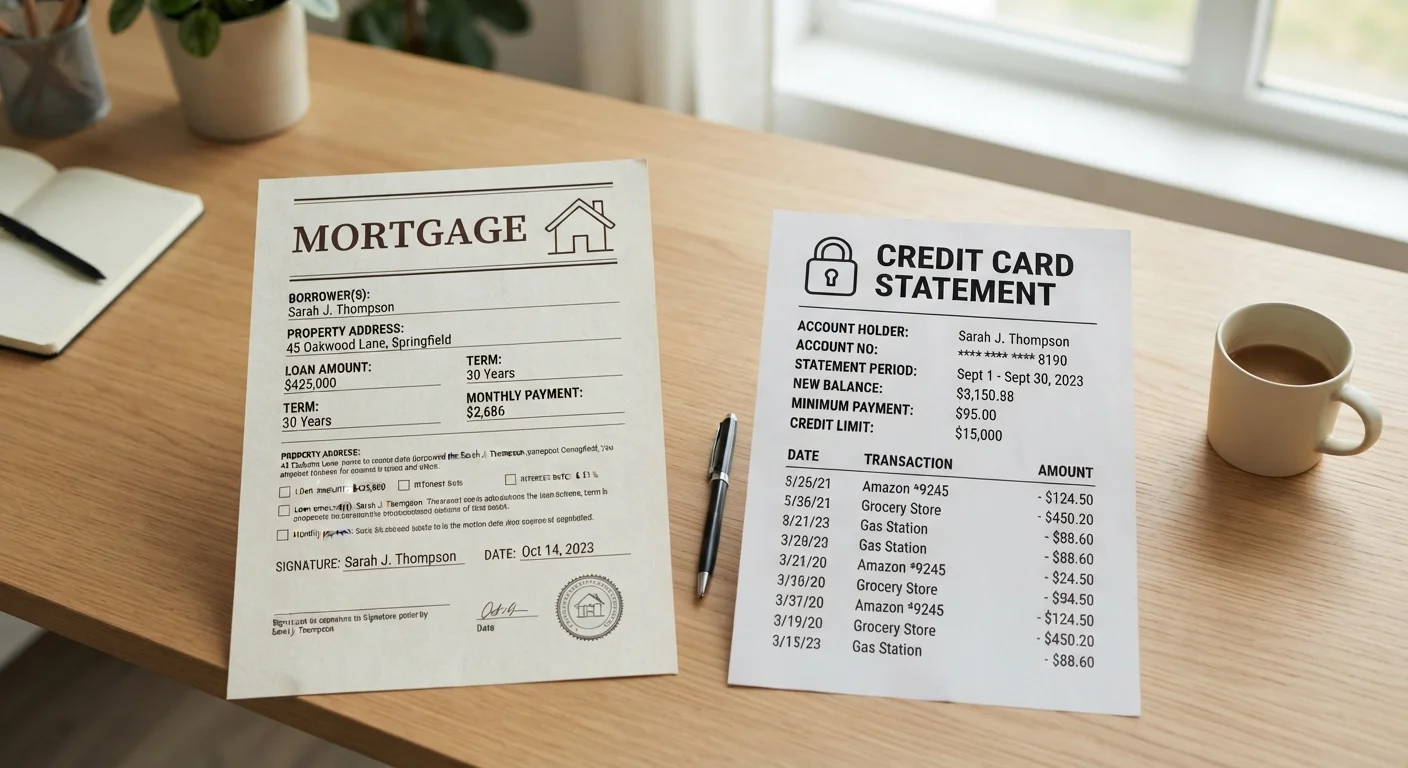
The single word that separates these two types of debt is collateral - an asset you agree to hand over if you fail to repay. With secured debt, you give the lender a legal claim on something valuable: your house in the case of a mortgage, or your car with an auto loan. That claim is called a lien. With unsecured debt - think credit cards, medical bills, or most personal loans - there's no asset attached. The lender is trusting your promise to repay, backed by your credit history.
This distinction matters because it shapes everything else: the interest rate you'll pay, what happens if you miss payments, and how the debt is treated in a worst-case scenario. For a fuller glossary of terms like lien, principal, and default, see our debt term glossary.
| Criterion | Secured Debt | Unsecured Debt |
|---|---|---|
| Collateral required | Yes (home, car, asset) | No |
| Typical interest rate | Lower | Higher |
| Common examples | Mortgage, auto loan | Credit card, personal loan |
| If you default | Lender may repossess asset | Credit damage, collections, possible judgment |
| Lender's risk level | Lower | Higher |
| Repayment priority | Generally highest | After secured debts are current |
Interest Rates and Risk: Why They're Connected
Lenders price loans based on the risk they're taking. When you secure a debt with collateral, the lender has a fallback if you default - so they charge you less for the privilege of borrowing. That's why mortgage rates are generally much lower than credit card rates.
Unsecured lenders have no such safety net. If you stop paying, they can sue you, send the account to collections, or report the default to credit bureaus - but they can't immediately seize a tangible asset. To compensate for that higher risk, they charge higher interest rates. This is also why how interest rate, balance, and time interact is so important to understand - a high-rate unsecured balance grows faster than most people expect.
~20%
Average credit card interest rate (APR)
The Federal Reserve tracks average credit card interest rates; they have frequently exceeded 20% APR in recent years, well above typical secured loan rates.
~6-7%
Typical 30-year fixed mortgage rate range
Mortgage rates vary with market conditions, but historically remain far below credit card APRs, reflecting the lower lender risk of secured lending.
What Happens When You Can't Pay
The consequences of falling behind differ significantly between the two debt types.
- Secured debt default: The lender can move to repossess or foreclose on the collateral. Miss enough mortgage payments and the bank can begin foreclosure on your home. Fall behind on an auto loan and the lender may repossess the vehicle - sometimes with little warning.
- Unsecured debt default: The lender cannot immediately take your property, but the damage to your credit score can be severe and lasting. Accounts may be sent to debt collectors, and in some cases lenders can seek a court judgment, which can lead to wage garnishment depending on your state's laws.
Neither outcome is good, but if you're stretched thin and deciding which debt to pay first, secured debts generally demand priority because the tangible consequences - losing your home or car - can destabilize your life more immediately. That said, every situation is different, and a licensed financial counselor can help you weigh your options. This article provides general educational information, not personalized financial advice.
How This Should Shape Your Debt Strategy
Knowing which type of debt you're dealing with helps you make smarter decisions. A few practical principles:
- Know your inventory. List every debt you owe and note whether it's secured or unsecured. This alone clarifies your risk picture.
- Protect secured assets first. Mortgage and auto loan payments should generally be prioritized to protect your collateral.
- Target high-rate unsecured debt aggressively. Once secured debts are current, unsecured balances with high interest rates erode your finances quietly but steadily. Not all debt is equally harmful - understanding which unsecured balances cost you the most is an important next step.
- Consider consolidation carefully. Sometimes unsecured debts can be consolidated into a single loan at a lower rate. Our guide to debt consolidation explains exactly what that process does and where its limits are.
Home Equity Loans: A Hybrid Case
Some homeowners tap their home's equity through a home equity loan or line of credit (HELOC). These are technically secured debts - your home is the collateral - even though the funds are often used for everyday expenses or renovations. Converting unsecured spending into a secured obligation means your home is now at risk if you can't repay. It's worth understanding this distinction clearly before pursuing that route.
This article is for general informational and educational purposes only and does not constitute personalized financial, legal, or tax advice. Consult a qualified financial professional for guidance specific to your situation.