

Key Takeaways
Why Statements Feel Confusing - and Why They Don't Have to
Billing statements are designed to be comprehensive, which often makes them feel overwhelming. A single credit card statement can contain a dozen or more line items, multiple interest rates, and regulatory disclosures written in small print. Most readers skip straight to the balance due and move on - which means they miss information that directly affects how much they pay over time.
The good news: every statement, regardless of the lender, is built around the same handful of sections. Once you know what each section does, you can read any statement in minutes rather than minutes of confusion. If you're still building your foundation, our explainer on personal debt covers the core concepts before you dive into the numbers.
What you will need
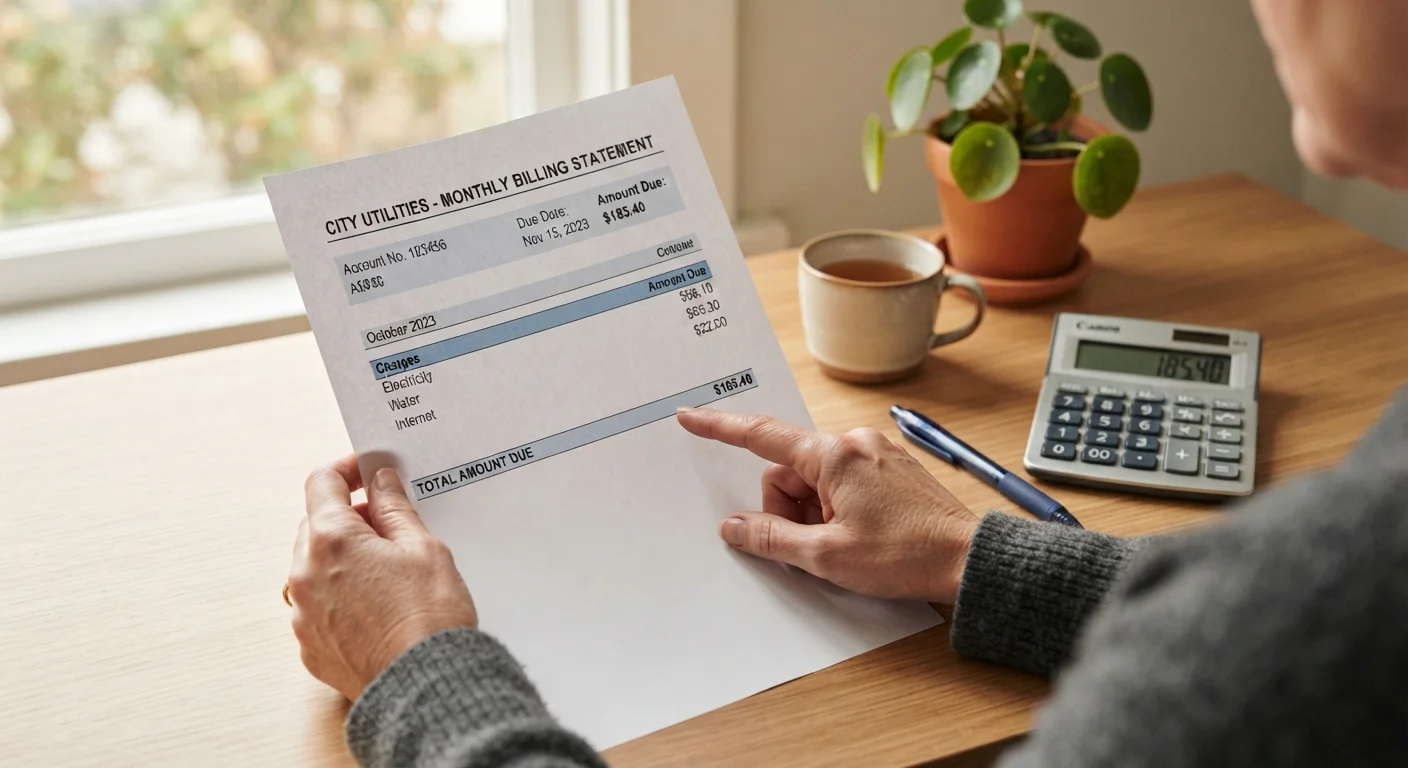
Recent Billing Statement
The primary document you will be reading and annotating during this walkthrough.
Calculator
Used to verify interest charges and check that running totals on the statement add up correctly.
Highlighter or Pen
Mark key figures - balance, due date, APR, fees - so they stand out for quick future reference.
Debt Glossary Reference
A reference for unfamiliar terms; our <a href="/personal-finance/managing-debt/the-debt-glossary-terms-every-borrower-should-know">Debt Glossary</a> covers the most common ones.
How to Read Your Statement Step by Step
This Is Education, Not Financial Advice
This article provides general financial information to help you understand billing statements. It is not personalised financial or legal advice. For decisions specific to your situation, consult a licensed financial professional.
Locate the Account Summary Box
Most statements open with an account summary - a boxed section at the top that gives you the big picture at a glance. Look for these four figures:
- Previous balance: What you owed at the end of last billing cycle.
- Payments and credits: Any payments you made during the last period, subtracted from the previous balance.
- New charges: Purchases or transactions added since your last statement.
- New balance: The total amount currently owed.
Verifying that previous balance − payments + new charges = new balance is a quick sanity check that can flag data errors.
Find Your Payment Due Date and Minimum Payment
Your payment due date is the deadline by which your lender must receive at least a minimum payment. It's usually displayed prominently - sometimes in red - near the top of the statement.
Directly next to it, you'll see the minimum payment: the smallest amount you can pay to keep the account in good standing that month. This number is calculated by the lender, often as a small percentage of the balance or a flat dollar amount, whichever is greater.
Paying only the minimum keeps the account current but means interest continues to accumulate on the remaining balance, which can extend repayment significantly.
Identify the Interest Charge Section
Look for a section labeled Interest Charged or Finance Charges. This line shows how much the lender charged you in interest during the billing period.
The rate used to calculate this charge is your APR (Annual Percentage Rate) - the yearly cost of borrowing, expressed as a percentage. To find your daily rate, divide the APR by 365. Lenders typically multiply that daily rate by your average daily balance over the billing cycle to arrive at the interest charge listed.
If you carry a balance from month to month, this line is one of the most important on the statement. For a deeper look at how APR and other terms are defined, our Debt Glossary is a useful companion.
Check the Fees Section
Fees are listed separately from interest and can include:
- Late fees: Charged if your previous payment arrived after the due date.
- Annual fees: A yearly charge on some credit accounts.
- Returned payment fees: Applied if a prior payment was rejected by your bank.
- Cash advance fees: Charged when you withdraw cash using a credit line.
Add the fees and interest charges together to see the true cost of carrying this debt for the month. Spotting an unexpected fee early gives you the opportunity to contact your lender and, in some cases, request a waiver - especially for a first-time late fee.
Review the Transaction History
Further down the statement you'll find an itemized list of every transaction - purchases, payments, credits, fees, and interest - posted during the billing cycle. Go through each line and confirm you recognize every entry.
Look specifically for:
- Charges you don't recognize, which may indicate a billing error or unauthorized use.
- Duplicate transactions for the same amount and merchant.
- Credits or refunds you were expecting but don't see.
If something looks wrong, contact your lender's customer service line (printed on the back of your card or on the statement itself) to dispute the charge promptly. Most lenders have a limited window - often 60 days from the statement date - to raise disputes.
Note the Credit Utilization Figure (Credit Cards Only)
If you're reviewing a credit card statement, look for your credit limit and your current balance. Dividing your balance by your credit limit gives you your credit utilization ratio - the percentage of your available credit that you're using.
For example: a $600 balance on a $2,000 limit equals 30% utilization. Keeping this ratio lower is generally associated with healthier credit profiles, though the exact impact varies by individual situation. If your utilization is high, paying down the balance - even partially - is a meaningful step.
Understanding where your debt stands is also connected to bigger-picture decisions. Our article on warning signs your debt needs attention can help you assess the broader picture.
Missing a Due Date Has Real Consequences
A late payment can trigger a late fee and, if it occurs 30 or more days past due, may be reported to credit bureaus, potentially lowering your credit score. Always note your payment due date before setting the statement aside.
Keep Statements for At Least a Year
Saving past statements - digitally or in a folder - lets you track your progress over time and quickly spot discrepancies. Most lenders also provide 12-24 months of statement history in your online account.
What to Do With What You've Found
Once you've worked through the statement, you have a clearer picture of three things: what you owe, what it's costing you each month in interest and fees, and whether any errors need addressing.
Use that information to make an intentional decision - not just the automatic minimum payment. Even a modest extra payment toward the principal reduces the balance on which interest is calculated, which slows the growth of future charges. For a structured way to manage multiple debts, explore how debt consolidation works as one possible strategy, or revisit your overall spending plan using our budgeting basics resources.
Not all debt is urgent in the same way - understanding what type of debt you're carrying helps prioritize which to address first. Our piece on good debt vs. bad debt offers a useful framework for that thinking.
This article is for general informational and educational purposes only and does not constitute personalised financial, legal, or tax advice. Consult a qualified financial professional for guidance specific to your circumstances.