

Key Takeaways
Why Watering Technique Matters More Than You Think
Most new gardeners assume that as long as plants get water, they'll be fine. In practice, how you water matters just as much as whether you water at all. Watering at the wrong time of day, applying too little depth, or saturating soil that's already wet are among the most common reasons otherwise healthy seedlings struggle or fail.
If you're just getting started, our beginner's garden guide covers the full picture - including soil, light, and plant selection - before you dig in. Understanding how water behaves in your specific soil is also worth exploring: well-draining soil explained is a helpful companion read, since drainage directly affects how often and how much you'll need to water.
Overwatering Kills More Plants Than Drought
Consistently soggy soil starves roots of oxygen and creates conditions where root rot fungi thrive. If leaves are yellowing from the bottom up and soil stays wet days after watering, scale back immediately. Always check soil moisture before reaching for the hose - the calendar is not a reliable watering guide.
The steps below apply to most vegetable gardens, flower beds, and container plantings. Plants with highly specific water needs - such as cacti, bog plants, or orchids - may require different approaches.
What You'll Need
You don't need elaborate equipment to water well. The tools below cover most garden setups, from a simple container on a balcony to a full raised-bed vegetable plot.
Watering can with a rose head
Delivers a gentle, even spray that won't disturb soil or damage seedling stems.
Soaker hose or drip irrigation line
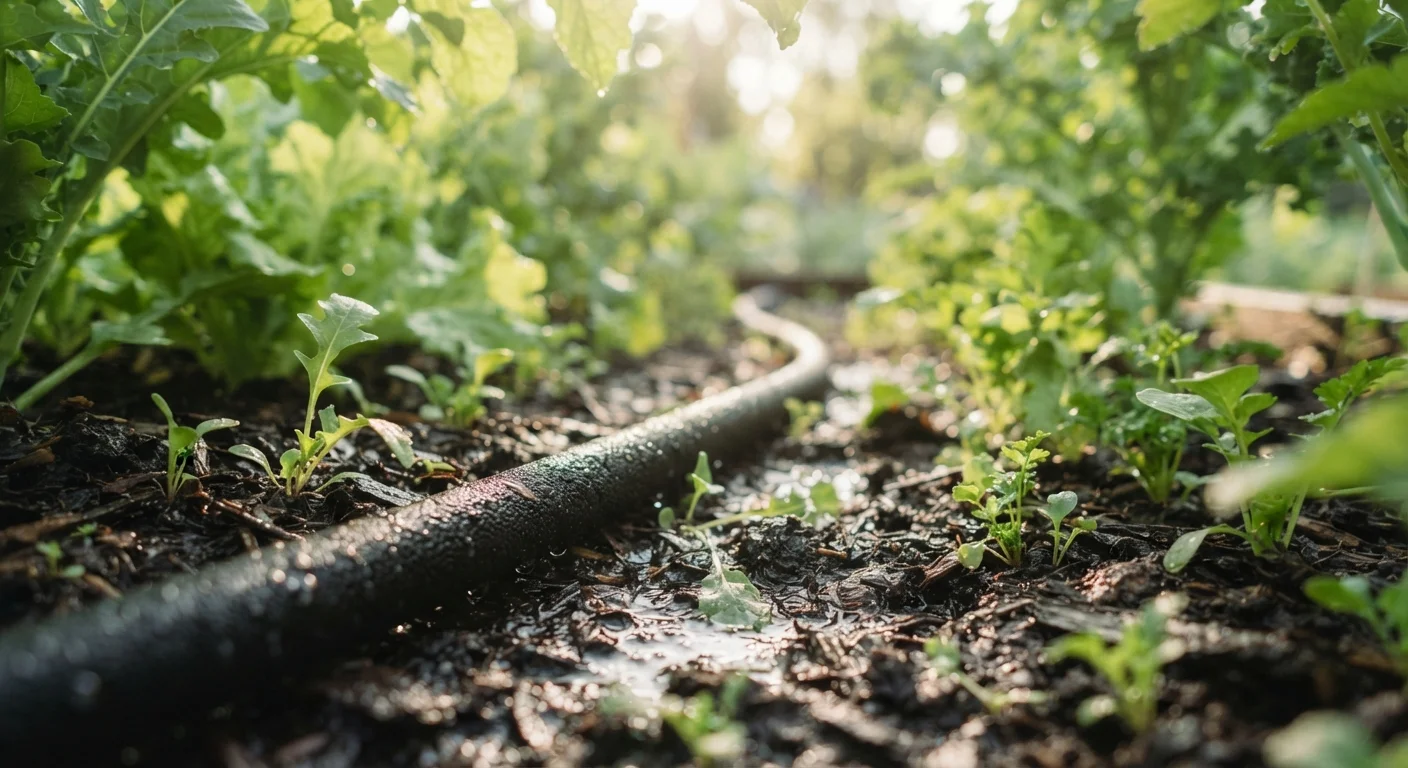
Delivers water slowly directly to the root zone, minimizing evaporation and keeping foliage dry.
Soil moisture meter
Takes the guesswork out of watering by giving a quick, accurate reading of moisture at root depth.
Mulch (straw, wood chips, or shredded leaves)
Applied over the soil surface, mulch dramatically reduces moisture evaporation between waterings.
What you will need
How to Water Your Garden Properly
Follow these steps in order, especially if you're establishing a new routine. Over time, checking soil moisture and directing water at the root zone will become second nature.
Check soil moisture before you water
Push your index finger about 2 inches (5 cm) into the soil near the base of the plant. If it feels moist at that depth, wait. If it feels dry, it's time to water. This single habit prevents the vast majority of overwatering mistakes. For containers, lift the pot - a noticeably light pot usually means dry soil throughout.
Water in the early morning
Aim to water between sunrise and mid-morning. At this time, temperatures are lower, wind is typically calmer, and any moisture that splashes onto foliage has time to dry before evening. Morning watering also means plants have access to moisture during the warmest part of the day when they need it most.
Water slowly at the base of the plant
Direct water at the soil around the plant's base, not over the top of it. Apply water slowly enough that it soaks in rather than running off the surface. A watering can with a rose head, a soaker hose, or a hose set to a gentle flow all work well. Fast or forceful watering compacts soil and causes runoff before moisture can penetrate.
Water deeply and less frequently
The goal is to wet the soil to a depth of at least 6 inches (15 cm) - enough to reach the active root zone. Shallow, frequent watering trains roots to stay near the surface, where they are vulnerable to heat and drying out. Deep watering encourages roots to follow moisture downward, building resilience. For most established garden beds, this means watering thoroughly two to three times per week rather than a little every day.
Adjust for plant type, season, and weather
Vegetables and annual flowers generally need more consistent moisture than established perennials or drought-tolerant herbs like rosemary and lavender. During hot spells or very dry weather, you may need to water more often. After rain, skip scheduled watering and test the soil first. Containers dry out faster than garden beds and typically need more frequent attention - sometimes daily in summer heat.
Apply mulch to retain moisture
Once watered, spread a 2-3 inch (5-8 cm) layer of mulch - straw, wood chips, or shredded leaves all work well - over the soil surface around your plants, keeping it a few centimetres away from stems. Mulch dramatically slows evaporation, meaning the soil stays moist longer between waterings. It also moderates soil temperature and suppresses weeds.
Group Plants by Water Needs
When planning your beds, place drought-tolerant plants together and thirsty plants together. This makes watering far more efficient and prevents the common problem of overwatering one plant while trying to satisfy its neighbor. See our garden readiness checklist for layout planning tips.
Troubleshooting Common Watering Problems
Even with good technique, problems arise. Here's how to read the signs:
- Wilting in morning: Usually means the plant is genuinely thirsty - check soil and water deeply if it's dry at 2 inches.
- Wilting in afternoon heat only: Often a normal stress response that recovers by evening - check soil before adding more water.
- Yellow lower leaves, wet soil: A classic sign of overwatering or poor drainage. Ease off and check that your soil drains adequately.
- Dry, crusty soil surface despite watering: Water may be running off rather than soaking in. Try watering more slowly, or loosen the surface crust gently with a hand fork before watering.
If you're struggling with young plants specifically, why seedlings keep dying covers the most frequent causes in detail.
Avoid Watering Foliage in the Evening
Wetting leaves late in the day means they stay damp overnight, which significantly increases the likelihood of fungal problems such as powdery mildew. Direct water at the base of the plant whenever possible, keeping foliage as dry as you can.
It's also worth knowing that some widely shared watering advice isn't well-supported by evidence. For a closer look at gardening myths, including a few watering ones, see common garden myths.