

Key Takeaways
Chronic Stress
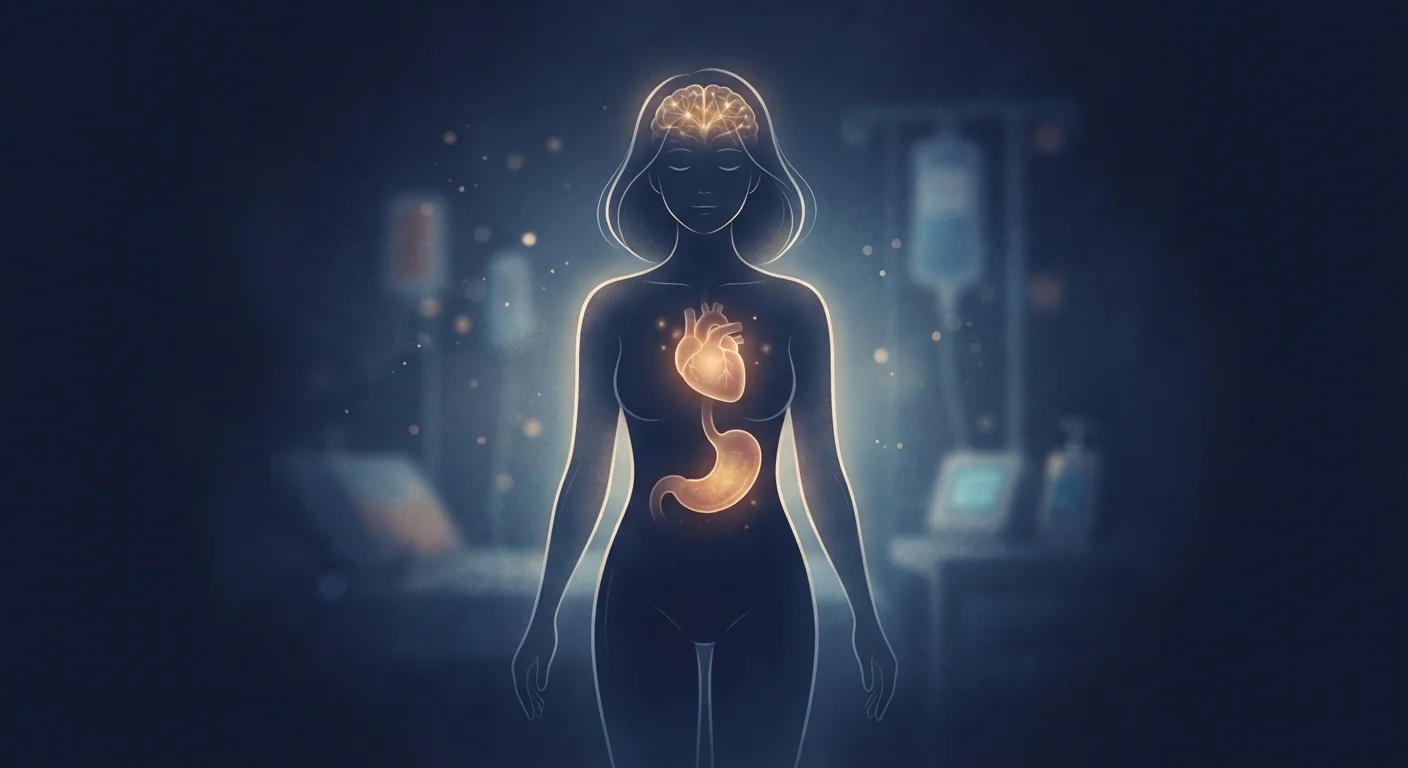
Chronic stress is prolonged, ongoing tension that persists long after the original trigger has passed. Unlike short-term stress - which can actually be helpful in urgent situations - chronic stress keeps your body in a continuous state of high alert. Over time, this sustained response can wear down your physical health in measurable ways.
Physiologically, chronic stress is associated with persistently elevated cortisol and adrenaline levels, which disrupt homeostasis across multiple organ systems.
Your Body Treats Stress Like an Emergency
When you feel stressed, your brain signals your adrenal glands to release hormones - primarily cortisol and adrenaline. These chemicals prepare you to act: your heart beats faster, your muscles tighten, your breathing quickens, and your digestion slows. This is the fight-or-flight response, and it evolved to help humans survive genuine physical threats.
The problem is that your nervous system doesn't always distinguish between a predator and a difficult email. Any perceived pressure can trigger the same cascade. For a single stressful event, that's manageable. But when stress becomes a daily backdrop - work, finances, relationships, health worries - your body stays in emergency mode far longer than it was designed to.
To understand the full mechanics of this response, see how the fight-or-flight response works.
“Stress is not just in your head - it's a whole-body experience. The biological changes that occur under stress are real, measurable, and have meaningful long-term health implications when left unaddressed.”
— Robert Sapolsky, Neuroendocrinologist and author of 'Why Zebras Don't Get Ulcers'
How Chronic Stress Affects Key Body Systems
When cortisol remains elevated over weeks or months, it starts to interfere with normal body functions in ways that are well-documented in health research.
Heart and Circulation
Sustained stress keeps blood pressure and heart rate higher than baseline for extended periods. Over time, this places extra workload on the heart and arteries. Researchers have found associations between chronic stress and increased risk of cardiovascular problems, though stress is one factor among several - genetics, diet, and exercise all matter too.
Immune System
Cortisol has a suppressive effect on the immune system when it remains elevated. This is why many people notice they get sick more easily during prolonged stressful periods. Your body's ability to fight off everyday viruses and bacteria can genuinely diminish under chronic pressure.
Digestion
The gut has its own complex nervous system and is highly sensitive to stress hormones. Common effects include nausea, cramping, changes in bowel habits, and aggravation of conditions like irritable bowel syndrome. This is sometimes called the gut-brain axis - the two systems are in constant communication.
Sleep
Cortisol is a wakefulness hormone. When it stays high into the evening, falling and staying asleep becomes harder. Disrupted sleep then makes the body less capable of regulating stress the next day - a self-reinforcing loop. How sleep and stress disrupt each other is explored in more depth in our related article.
77%
Adults who report physical stress symptoms
According to the American Psychological Association's Stress in America survey, a large majority of U.S. adults experience physical symptoms they associate with stress.
2-3x
Increased cold risk under chronic stress
Research published in Health Psychology found that people under prolonged stress were significantly more likely to develop colds when exposed to a virus.
40%
Adults who say stress affects their sleep
The APA has consistently reported that stress is one of the most commonly cited reasons American adults experience difficulty sleeping.
The Connection Between Your Environment and Stress
Stress doesn't only come from big life events. Everyday environments shape your baseline stress level in subtle but real ways. Physical surroundings - like a cluttered or chaotic home - can keep the brain in a low-grade state of alertness. Research in environmental psychology suggests that visual disorder competes for cognitive attention and elevates mild stress responses. Why clutter feels stressful offers a useful look at this connection.
It's also worth noting that how we respond internally matters. Suppressing or bottling up emotions doesn't reduce stress - evidence suggests it can actually amplify the physiological stress response. Why suppressing emotions can make stress worse explains the research behind this.
Start Small With Stress Recovery
You don't need a major lifestyle overhaul to reduce the physical burden of stress. Even five minutes of slow, deliberate breathing can lower cortisol in the short term. Building small recovery moments into your daily routine - a short walk, quiet time away from screens, or a brief social connection - can compound meaningfully over weeks. Consistency matters more than intensity here.
What You Can Do About It
Understanding what stress does physically is itself a useful first step - it shifts the conversation from vague feelings to concrete body processes you can work with. You don't need to eliminate stress entirely (that's neither realistic nor desirable), but reducing its duration and intensity has real health value.
Consistent habits that support recovery - adequate sleep, physical movement, social connection, and moments of genuine rest - help lower baseline cortisol levels over time. Even short breaks throughout the day give your nervous system a chance to down-regulate from high alert.
If you're unsure whether what you're experiencing is everyday stress or something more like anxiety, understanding the difference between stress and anxiety can help clarify the distinction and what responses are most appropriate.
This article is for general informational and educational purposes only and is not a substitute for professional medical advice. If you are experiencing persistent physical symptoms or mental health concerns, please consult a qualified healthcare provider.