

Key Takeaways
Car Depreciation
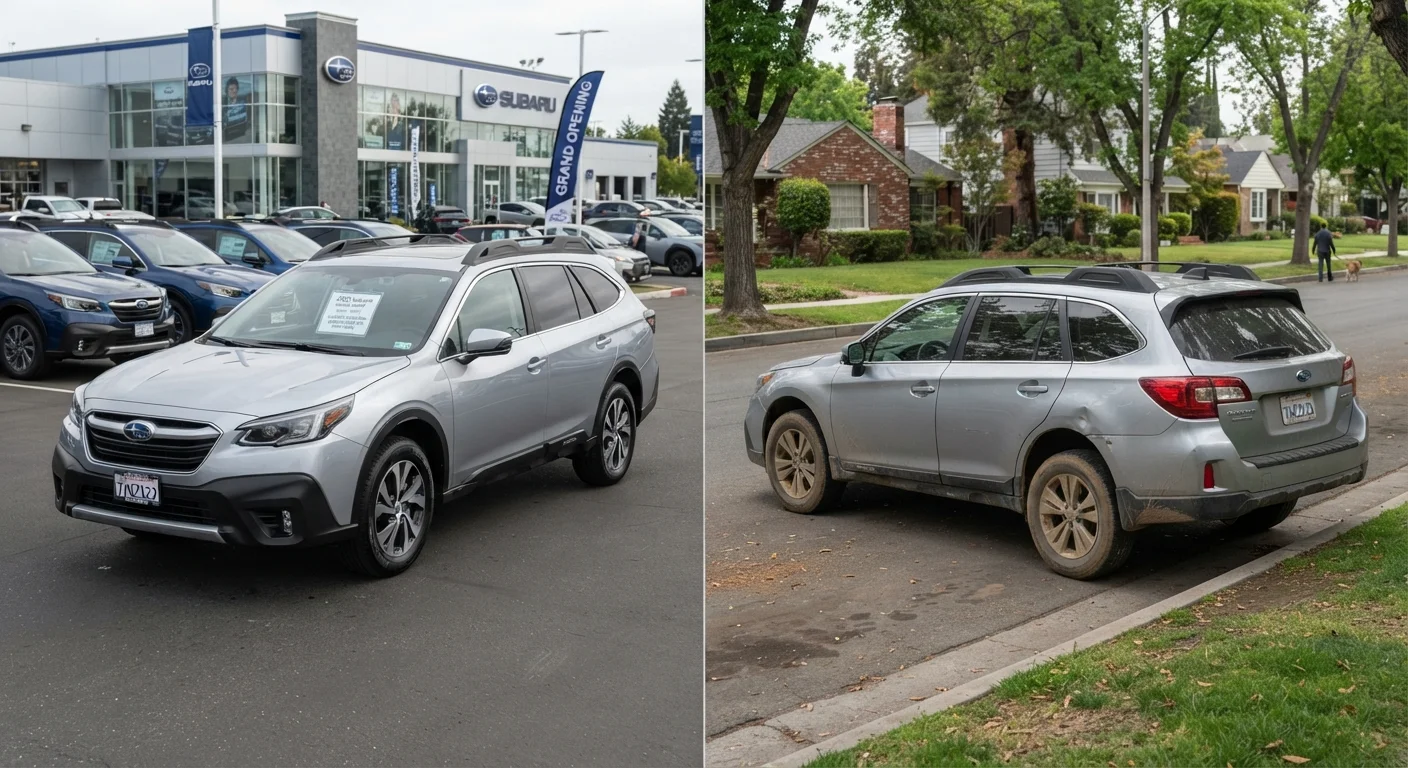
Car depreciation is the gradual loss of a vehicle's market value over time. From the moment you drive a new car off the lot, it is typically worth less than what you paid for it - and that gap widens each year. Depreciation is a normal part of car ownership, not a sign that something went wrong.
In accounting terms, depreciation is a non-cash expense used to spread an asset's cost over its useful life. For personal vehicles, it directly affects resale and trade-in value.
Why Cars Lose Value - and Why It Happens So Fast at First
The moment a new car leaves a dealership, it is no longer "new" in the eyes of the market. Demand for factory-fresh vehicles is strong, but a car that has been titled and driven - even just around the block - is now classified as used. That shift alone is enough to reduce what someone else would pay for it.
The first few years tend to see the sharpest drops. This is partly because there is intense competition from other recent-model-year vehicles, and partly because buyers factor in the wear a car is likely to experience in early ownership. After those initial years, the rate of loss usually levels off. A ten-year-old car still depreciates, but rarely as dramatically in absolute dollar terms as a two-year-old one.
Depreciation Isn't Unique to Cars
Most physical assets lose value over time - computers, appliances, and machinery all depreciate. What makes vehicles notable is the speed and scale of early loss compared to many other purchases. Understanding this upfront helps set realistic expectations when budgeting for a vehicle purchase.
Understanding depreciation is a key part of understanding the full cost of ownership. See our overview of car ownership costs for a broader look at where your money goes.
What Speeds Up - or Slows Down - Depreciation
Not every vehicle depreciates at the same pace. Several factors influence how quickly a car sheds value:
- Mileage: Higher mileage generally means more wear, which translates to lower resale value. Vehicles that are driven well above average annual mileage tend to depreciate faster.
- Condition: Dents, faded paint, worn interiors, and mechanical issues all reduce what a buyer will pay. A clean, well-maintained car commands a better price.
- Market demand: Popular body styles, fuel-efficient models, and vehicles with strong reliability reputations tend to hold value better than those with limited appeal.
- Accident history: A reported accident - even a minor one - can noticeably reduce a car's resale value, because many buyers check vehicle history reports before purchasing.
- Service records: Documented maintenance shows a car has been cared for, which gives future buyers confidence. Keeping up with maintenance throughout ownership is one of the most practical ways to protect long-term value.
Keep Your Service Records
A complete paper or digital trail of oil changes, tire rotations, and repairs is one of the simplest ways to protect resale value. Buyers and dealers place real weight on documented maintenance history. Ask your mechanic or dealership service center for itemized records after each visit and store them somewhere accessible.
Why Depreciation Matters for Your Wallet
Depreciation is often the single largest cost of car ownership over time - larger than fuel, insurance, or routine maintenance for many drivers. Yet because it doesn't show up as a monthly bill, it is easy to overlook.
~20%
Typical first-year value drop for new cars
Industry estimates commonly place the first-year depreciation of a new vehicle in the range of 15-25%, though actual figures vary significantly by model, segment, and market conditions.
~50%
Value often lost within five years
Many automotive valuation guides suggest the average new car retains around half its original purchase price after five years, though this varies widely depending on make, model, and demand.
When you eventually sell or trade in your vehicle, depreciation becomes very real. The difference between what you originally paid and what you receive is money you won't get back. If you financed your purchase, there's also a risk of being "underwater" on your loan - meaning you owe more than the car is worth. This is particularly common in the early years of ownership when depreciation is steepest.
For first-time owners especially, factoring depreciation into your ownership budget - not just the monthly payment - leads to better financial decisions. Our introduction to car ownership responsibilities covers this and other practical realities of owning a vehicle.
This article provides general financial information for educational purposes only and is not personalized financial advice. Consult a qualified financial professional for guidance specific to your situation.