

Key Takeaways
Why Maintenance Habits Start at Purchase
Whether you've just driven a new car off the lot or signed papers on a used vehicle, the decisions you make in the first few weeks set the tone for the entire ownership experience. Maintenance isn't something you tackle only when a warning light appears - it's a rhythm built from day one.
Before anything else, read your owner's manual. It may sound dry, but it contains the manufacturer's exact recommended service intervals, fluid specifications, and tire pressures for your car - information that is far more reliable than general rules of thumb. See our pre-drive checklist for other essentials to handle immediately after purchase.
Understanding the true scope of what owning a car costs - including maintenance - also helps you budget realistically. Our guide on the full cost of car ownership breaks this down clearly.
35%
Of vehicle breakdowns are preventable
Industry estimates consistently suggest a large proportion of roadside breakdowns result from neglected routine maintenance such as fluid checks and tire care.
200,000+
Miles many modern cars can reach
Automotive engineers and consumer research indicate that vehicles receiving consistent, scheduled maintenance commonly surpass 200,000 miles in service life.
~$1,200
Average annual maintenance spend per vehicle
According to AAA's annual "Your Driving Costs" study, the average US driver spends roughly $1,200 per year on scheduled maintenance and tires.
The First Year: Building Good Routines
The first year is the best time to establish monthly habits that take just minutes but prevent costly repairs later.
Monthly Checks
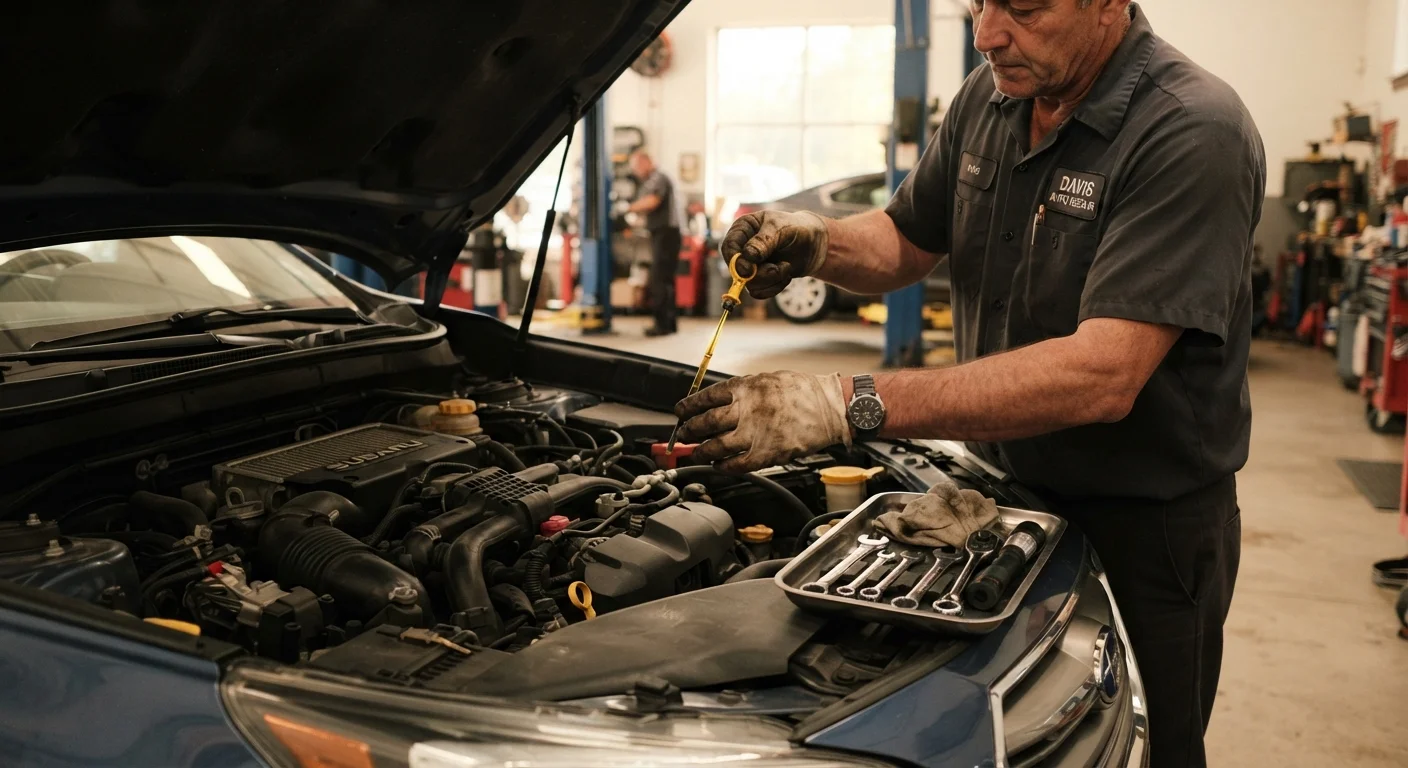
- Engine oil: Pull the dipstick, wipe it clean, reinsert, and check the level. Top up if it's below the minimum mark, using the grade specified in your manual.
- Coolant: Check the reservoir (never open the radiator cap when the engine is hot). Coolant keeps the engine from overheating.
- Tire pressure: Use a gauge to check all four tires - including the spare - against the pressure listed on the sticker inside the driver's door frame, not the number on the tire sidewall.
- Windshield washer fluid: Keep it topped up, especially heading into winter or bug season.
Every 5,000-7,500 Miles (or Per Your Manual)
- Oil and filter change - modern synthetic oils often extend this interval, but always defer to your manual.
- Tire rotation - moves tires between positions to promote even wear.
Check your oil when the engine is cold and the car is parked on level ground - this gives the most accurate reading on the dipstick.
Oil drains back into the pan when the engine is off, so a cold, level check reflects the true volume available rather than what's clinging to internal components.
Set a recurring monthly reminder on your phone to run through your five-minute fluid and tire pressure check before you need it.
Consistency is the real challenge with maintenance - a calendar prompt removes the reliance on memory and ensures small issues are caught before they escalate.
Mid-Ownership: Staying Ahead of Wear
Between roughly 30,000 and 80,000 miles, several components reach the end of their designed service life. Catching them on schedule is far cheaper than reacting to a breakdown.
Schedule Services Before You Need Them
Note your next service mileage in your calendar when you leave the shop - don't wait for a warning light to prompt action. Proactive scheduling means you can choose a convenient time rather than scrambling after a breakdown. Many shops also offer courtesy reminders if you ask.
Key Services in This Range
- Brake pads and rotors
- Listen for squealing or grinding when braking. Many pads include a wear indicator that squeals intentionally when they're low. Have a mechanic inspect brake thickness during routine services.
- Air filter
- A clogged engine air filter reduces fuel efficiency and engine performance. Most are straightforward to inspect and are replaced at intervals specified in your manual.
- Cabin air filter
- Filters the air entering the passenger compartment. Replace it when you notice reduced airflow from vents or a musty smell - typically every 15,000-25,000 miles.
- Spark plugs
- Worn plugs cause rough idling, poor fuel economy, and hard starting. Replacement intervals vary widely by plug type - check your manual.
- Transmission fluid
- Often overlooked. Dirty or low fluid can cause rough shifting and long-term damage. Have it checked at each major service.
Be skeptical of advice that contradicts your manual. Our article on car maintenance myths explains which common beliefs actually waste money.
High-Mileage Care: Keeping an Older Car Roadworthy
A vehicle with 100,000 miles or more on the odometer isn't necessarily past its prime - but it does need closer attention. Rubber components degrade, gaskets can weep, and sensors wear out. More frequent inspections become the norm rather than the exception.
Focus Areas for High-Mileage Vehicles
- Belts and hoses: Timing belts (if your engine has one rather than a chain) have a defined replacement interval - missing it can cause catastrophic engine damage. Serpentine belts and coolant hoses also crack with age.
- Wheel bearings and suspension: Listen for humming noises that change with speed, or clunks over bumps. Worn suspension affects handling and tire wear.
- Battery: Most batteries last three to five years. High-mileage vehicles often have aging batteries that struggle in cold weather. Have it tested annually.
- Seals and gaskets: Small oil or coolant leaks become more common. Address them promptly - small leaks become large ones.
Never Skip a Timing Belt Interval
On engines with a rubber timing belt (as opposed to a metal chain), missing the replacement interval - typically 60,000-100,000 miles, depending on the manufacturer - can result in belt failure and severe engine damage. Check your owner's manual for the exact interval and treat it as non-negotiable.
Safe driving habits also reduce mechanical wear. The Safe Driving Tips hub covers techniques that are easier on your brakes, tires, and drivetrain.
Knowing When to Call a Mechanic
Many routine checks are genuinely owner-friendly: checking fluids, inspecting tire tread depth with a coin, replacing wiper blades. But other jobs carry real risk if done incorrectly and should go to a qualified mechanic.
Always Use a Professional For
- Brake system repairs beyond simple pad inspection
- Timing belt or timing chain replacement
- Electrical fault diagnosis
- Any work on the fuel system
- Suspension and steering components
- Airbag system inspection or replacement
DIY Mistakes on Safety Systems Can Be Dangerous
Improper brake, suspension, or airbag work can create hazards that aren't immediately obvious but could contribute to a loss of control on the road. If you're uncertain about a repair, the safest step is to have it assessed by a certified professional before driving the vehicle.
When choosing a shop, look for ASE-certified technicians (a voluntary industry certification in the US) and ask for written estimates before approving any work. Get a second opinion for large-ticket repairs.
Building a Maintenance Record
A complete service log is one of the most valuable things you can maintain alongside your car. Record every service - date, mileage, what was done, and who performed it. A simple notebook in the glove box works, as does a notes app on your phone.
Why It Matters
- Helps you track upcoming service intervals without guessing
- Gives mechanics immediate context when diagnosing problems
- Demonstrates responsible ownership, which supports resale value
- Protects you if a dispute arises about whether a service was performed
Tying all of this together, Car Ownership Basics is a useful hub to return to whenever a new ownership decision comes up - from insurance to navigating unexpected repair costs.
This article is for general informational purposes. For maintenance tasks you are unsure about or that involve safety-critical systems, consult a qualified mechanic rather than attempting the work yourself.