

Key Takeaways
Quiet and low-disruption in shared living spaces
Reptiles produce no vocalizations that disturb neighbors or household members, making them well-suited to apartments, shared housing, or noise-sensitive environments.
Long lifespans create lasting bonds
Many common species live 15-30 years under proper care, offering owners a genuinely long-term companionship that few other pets can match.
Minimal allergen concerns for sensitive owners
Reptiles don't produce the fur-based dander that triggers most common pet allergies, making them a realistic option for people who react to cats, dogs, or small mammals.
Observing natural behaviors is deeply engaging
From hunting responses and thermoregulation rituals to defensive postures and color changes, reptile behavior rewards attentive watching in ways that grow richer the more you learn.
Relatively low ongoing feeding costs
Ectothermic metabolism means reptiles consume significantly less food than similarly sized warm-blooded animals, reducing recurring costs once the enclosure is properly established.
Enclosure setup requires significant upfront investment
Quality UVB lighting, thermostats, hygrometers, heating elements, and appropriate enclosures represent a meaningful initial cost that catches many first-time owners off guard.
Finding an experienced exotic vet can be difficult
Reptile-qualified veterinarians are less common than general practitioners, and in many regions owners must travel considerable distances or pay higher consultation fees for proper care.
Illness is often hidden until it becomes serious
As prey animals, reptiles instinctively mask signs of weakness; by the time symptoms are visible to an owner, an underlying condition may already be advanced.
Daily environmental monitoring is non-negotiable
Temperature gradients, humidity, and lighting cycles must be checked consistently - equipment failures can cause rapid health deterioration, particularly during extreme weather.
Not all species tolerate or benefit from handling
Many reptiles experience stress from frequent human contact, meaning owners seeking an interactive, handleable pet need to research species-specific tolerances carefully before choosing.
Feeding live or frozen prey can be a barrier
Many insectivorous and carnivorous reptiles require whole prey items - live insects, frozen rodents - which some owners find difficult to manage emotionally or practically.
Our Verdict
Reptiles can be deeply rewarding pets for patient, research-driven owners who find genuine satisfaction in creating precise environments and observing animal behavior. They are not low-maintenance by default - their needs are simply different from a dog or cat, and underestimating that difference is the most common reason reptile ownership goes wrong. For the right person, though, the relationship is genuinely special.
Best suited to curious, detail-oriented adults or older teenagers who are comfortable with research, consistent routines, and the reality that a reptile may never seek affection the way a mammal does.
What Actually Makes Reptiles Appealing
There's a reason reptile keeping has grown into one of the most active corners of the pet hobby. These animals are genuinely fascinating to observe - their behaviors, hunting styles, color changes, and social quirks offer endless depth once you know what you're watching for.
Beyond the wow factor, reptiles are practical in ways mammals aren't. They don't bark, shed fur on furniture, or need daily walks. Many species thrive in enclosures that fit comfortably in an apartment. And because reptiles are ectothermic - meaning they rely on external heat sources to regulate their body temperature - their metabolisms run slower, which often means less food, less waste, and lower ongoing feeding costs compared to similarly sized mammals.
Longevity is another genuine draw. A well-cared-for ball python can live 20-30 years. Leopard geckos routinely reach 15-20 years. For owners who bond deeply with their animals, that's a meaningful relationship - not a pet you outlive in a few years.
Quiet and low-disruption in shared living spaces
Reptiles produce no vocalizations that disturb neighbors or household members, making them well-suited to apartments, shared housing, or noise-sensitive environments.
Long lifespans create lasting bonds
Many common species live 15-30 years under proper care, offering owners a genuinely long-term companionship that few other pets can match.
Minimal allergen concerns for sensitive owners
Reptiles don't produce the fur-based dander that triggers most common pet allergies, making them a realistic option for people who react to cats, dogs, or small mammals.
Observing natural behaviors is deeply engaging
From hunting responses and thermoregulation rituals to defensive postures and color changes, reptile behavior rewards attentive watching in ways that grow richer the more you learn.
Relatively low ongoing feeding costs
Ectothermic metabolism means reptiles consume significantly less food than similarly sized warm-blooded animals, reducing recurring costs once the enclosure is properly established.
The Real Challenges of Reptile Husbandry
Here's where honest prospective owners need to slow down and read carefully. Reptiles are often marketed - sometimes misleadingly - as easy, beginner-friendly pets. The reality is more nuanced.
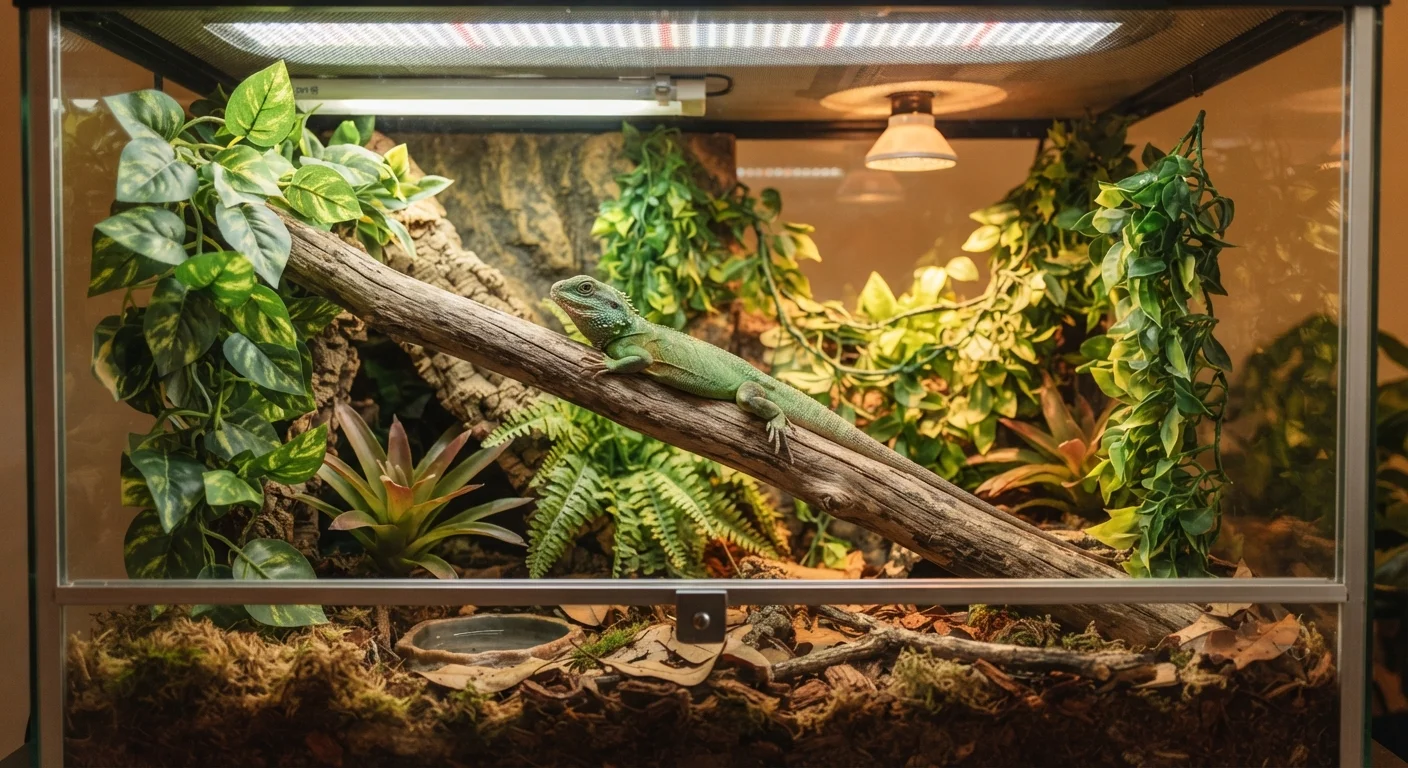
Every reptile species has a specific set of environmental requirements: a precise temperature gradient within the enclosure, appropriate UVB lighting (critical for most diurnal species to metabolize calcium), correct humidity levels, and a suitable substrate. Get these wrong, and health problems follow - often silently, because reptiles are prey animals that instinctively hide illness until they can no longer do so.
UVB Lighting: More Than a Nice-to-Have
For most diurnal (daytime-active) reptiles, UVB lighting isn't optional - it's essential for synthesizing vitamin D3 and absorbing dietary calcium. Without it, animals are at significant risk of metabolic bone disease, a painful and progressive condition. UVB bulbs also degrade in output before they visibly dim, so they need replacing on a schedule even when they appear to still be working.
Finding qualified veterinary care adds another layer of complexity. Most general-practice veterinarians have limited exotic-animal training. An owner in a rural area may have to travel significantly to reach a reptile-experienced vet, and exotic consultations can be more expensive than routine small-animal visits.
Enclosure setup requires significant upfront investment
Quality UVB lighting, thermostats, hygrometers, heating elements, and appropriate enclosures represent a meaningful initial cost that catches many first-time owners off guard.
Finding an experienced exotic vet can be difficult
Reptile-qualified veterinarians are less common than general practitioners, and in many regions owners must travel considerable distances or pay higher consultation fees for proper care.
Illness is often hidden until it becomes serious
As prey animals, reptiles instinctively mask signs of weakness; by the time symptoms are visible to an owner, an underlying condition may already be advanced.
Daily environmental monitoring is non-negotiable
Temperature gradients, humidity, and lighting cycles must be checked consistently - equipment failures can cause rapid health deterioration, particularly during extreme weather.
Not all species tolerate or benefit from handling
Many reptiles experience stress from frequent human contact, meaning owners seeking an interactive, handleable pet need to research species-specific tolerances carefully before choosing.
Feeding live or frozen prey can be a barrier
Many insectivorous and carnivorous reptiles require whole prey items - live insects, frozen rodents - which some owners find difficult to manage emotionally or practically.
Matching the Right Species to the Right Owner
One of the most important decisions a prospective reptile owner makes isn't which enclosure to buy - it's which species to choose. The gap between beginner-appropriate and advanced species is enormous.
Leopard geckos, corn snakes, and blue-tongued skinks are widely regarded in the reptile-keeping community as more forgiving starting points: they tolerate moderate handling, have relatively stable husbandry requirements, and are well-documented in care literature. Chameleons, green tree pythons, and many monitor lizard species, by contrast, have highly specific needs and stress easily - they're genuinely advanced animals.
~6 million
Reptiles kept as pets in U.S. households
According to the American Pet Products Association's pet industry surveys, reptiles represent one of the fastest-growing pet categories in the United States.
20-30 years
Average lifespan of a ball python in captivity
Herpetological care resources and zoo records consistently document ball pythons reaching two to three decades under well-managed husbandry conditions.
~70%
Reptile deaths linked to preventable husbandry errors
Exotic animal veterinary literature broadly attributes the majority of captive reptile health failures to correctable environmental deficiencies such as inadequate UVB or incorrect temperatures.
Before committing, spend time on reputable keeper forums, read care sheets from experienced herpetological societies, and - if possible - speak with an exotic vet. The species you fall in love with in a photo may not be the species that fits your lifestyle, budget, or experience level right now. Starting with the right match sets both you and the animal up to thrive.