

Key Takeaways
Why Litter Box Avoidance Happens More Than It Should
Few things frustrate cat owners more than finding accidents outside the litter box. The good news is that most of these situations aren't random - they trace back to specific, fixable causes. Cats are particular about their bathroom environment, and when something doesn't meet their standards, they'll find somewhere else that does.
Understanding the common mistakes behind litter box problems helps you address them before bad habits form. Whether you're setting up for the first time or troubleshooting an existing issue, the steps below will give you a clear path forward. For a broader look at setting up your home well for a cat, see our room-by-room cat home setup guide.
Not scooping the litter box often enough.
Why it happens: Many owners assume the box only needs attention every few days, underestimating how quickly odour and waste accumulate.
Using too few litter boxes for the number of cats in the home.
Why it happens: First-time multi-cat owners often don't realise that cats can be territorial about shared resources, including bathroom space.
Placing the litter box in a loud, high-traffic, or inconvenient location.
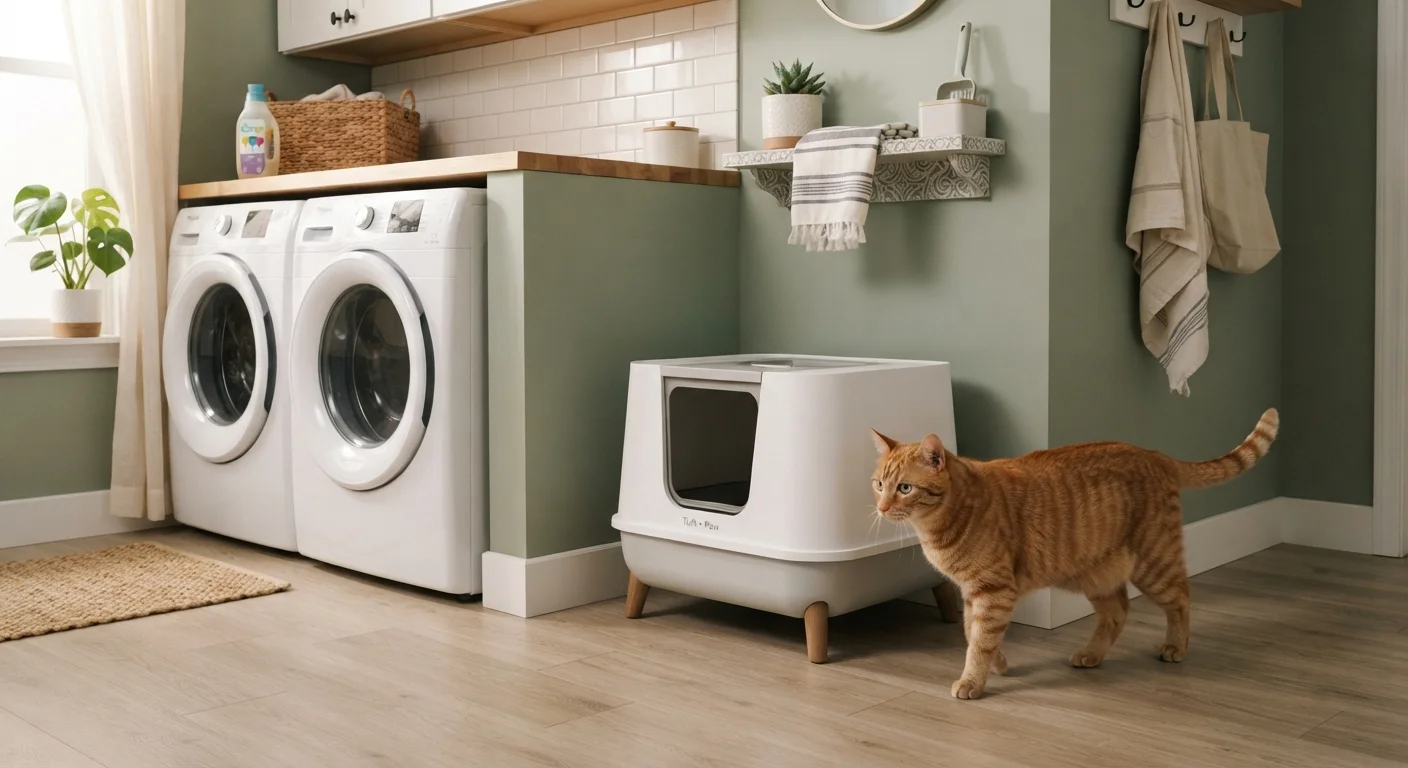
Why it happens: Owners often prioritise keeping the box out of sight, tucking it in noisy laundry rooms or near appliances without considering the cat's comfort.
Choosing a box that's too small for the cat.
Why it happens: Standard commercially available boxes are often sized for average adult cats and may not suit large breeds or kittens who grow quickly.
Switching litter types abruptly or choosing a heavily scented variety.
Why it happens: Owners sometimes buy heavily fragranced litters assuming they'll reduce odour, not realising cats have a much more sensitive sense of smell than humans.
Using a hooded or covered box without checking if the cat tolerates it.
Why it happens: Covered boxes appeal to owners because they contain odour and provide privacy, but some cats find them claustrophobic or feel trapped inside.
When to Talk to Your Vet
Even with a perfectly maintained litter box, some cats start avoiding it - and that shift can be a health signal rather than a behaviour problem. Urinary tract infections, kidney issues, constipation, and arthritis can all change how a cat interacts with their box. If you've ruled out the common setup mistakes and the problem persists, a veterinary check-up is the right next step.
Sudden Changes Deserve Veterinary Attention
If a cat who previously used their litter box consistently starts avoiding it, straining, or showing signs of discomfort, treat it as a potential health issue rather than just a behaviour problem. Urinary blockages in particular can become life-threatening quickly, especially in male cats. Contact your vet promptly rather than waiting to see if things resolve on their own.
Track any changes you notice - frequency of use, straining, blood in urine, or vocalising during elimination - and share these with your vet. This information helps them identify what's going on much faster. General litter box guidance supports good habits, but it's not a substitute for professional veterinary care when your cat's health may be involved.
~10%
Cats affected by elimination issues
Veterinary behaviour specialists estimate that elimination problems outside the litter box affect roughly one in ten cats at some point in their lives.
1 + 1
Litter boxes recommended per cat
The widely accepted guideline from veterinary and feline behaviour organisations is one box per cat plus one additional box to reduce territorial stress.