

Key Takeaways
Option A
Emergency Fund
Your financial safety net for life's unexpected moments.
Best for: Anyone who wants to cover sudden, unplanned expenses without going into debt.
Option B
General Savings
A flexible pool of money working toward your specific goals.
Best for: Anyone saving toward a defined target - a vacation, a car, a home down payment.
If you have no financial cushion and live paycheck to paycheck
Emergency Fund
Building even one month of expenses in an emergency fund dramatically reduces the likelihood of taking on high-interest debt when something unexpected happens.
If you already have a solid emergency fund and want to reach a financial goal
General Savings
Once your safety net is in place, redirecting contributions toward a defined goal keeps your money purposeful and your motivation high.
If you're just starting out and money is tight
Emergency Fund
A small emergency fund - even $500 to $1,000 - reduces financial stress and prevents one setback from derailing everything else.
If you're planning a major purchase or life event in the next one to three years
General Savings
A dedicated savings bucket for a specific goal helps you track exactly how close you are and avoid dipping into funds earmarked for emergencies.
What Each One Actually Does
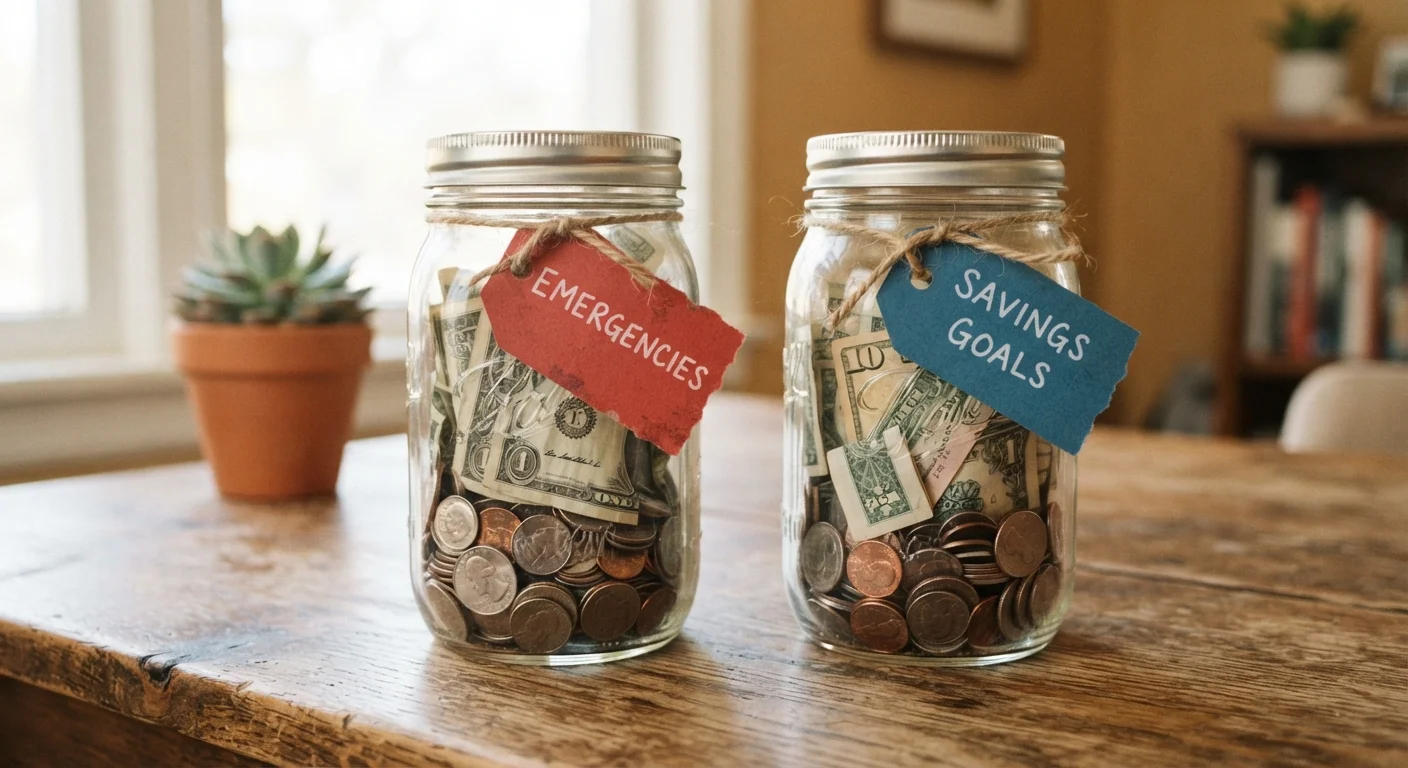
At first glance, an emergency fund and a general savings account look identical - they're both pools of money sitting in a bank account. The difference isn't in the account type; it's in the purpose and the rules you attach to the money.
An emergency fund is money set aside exclusively for unplanned, urgent situations: a sudden job loss, a car breakdown, an unexpected medical bill, or a home repair that can't wait. The defining word is unplanned. You don't touch this money for a vacation you've been dreaming about or a holiday shopping budget. Its entire job is to keep you out of debt when life surprises you.
General savings, by contrast, are intentional. You're building toward something specific and anticipated - a trip, a new appliance, a down payment, or even a new set of tires you know you'll eventually need. These are goals you can define, name, and track. See our plain-language savings glossary if terms like liquidity or sinking fund are unfamiliar - understanding them will make managing both buckets easier.
| Criterion | Emergency Fund | General Savings |
|---|---|---|
| Purpose | Cover unplanned, urgent expenses | Work toward a specific goal |
| When to use it | Only in a genuine emergency | When the planned goal is reached |
| Typical target size | 3-6 months of essential expenses | Whatever the goal requires |
| Flexibility | Intentionally restricted | Fully flexible to goal needs |
| Emotional role | Reduces anxiety about the unknown | Builds motivation toward a reward |
| Account type | High-yield or regular savings account | Savings account or named sub-account |
Why Keeping Them Separate Matters
Combining both types of money in one account feels simpler - but it creates a hidden problem. When you see a single large balance, it's genuinely hard to know which dollars are "protected" and which are available to spend. Over time, most people unconsciously spend from money they intended to preserve.
Separating the two - even just mentally labeling them in the same bank or opening a second account - creates a psychological boundary that makes both goals easier to honor. Many banks and credit unions allow you to open multiple savings accounts at no cost and rename each one, which makes the separation concrete without any extra complexity.
~57%
Americans unable to cover a $1,000 emergency
A Bankrate survey found that a majority of U.S. adults could not pay for a $1,000 unexpected expense from savings, highlighting how common this gap is.
3-6 months
Recommended emergency fund coverage
Financial educators broadly recommend holding three to six months of essential living expenses in an accessible emergency fund.
Understanding your fixed monthly costs is also essential here. Knowing how much you must spend each month helps you size your emergency fund correctly. Our article on fixed vs. variable expenses is a practical starting point for that calculation.
How to Start Building Both (Even on a Tight Budget)
The most common mistake beginners make is waiting until they feel financially ready to start saving. In practice, building both an emergency fund and goal-based savings is less about the amount and more about the habit.
A workable starting point for most people:
- Define a starter emergency fund target. Many financial educators suggest beginning with $500 to $1,000 before tackling larger goals. This modest cushion covers a large proportion of common financial surprises.
- Name your general savings goals. Vague intentions like "save more" rarely stick. Specific goals - "$800 for a flight by June" - are trackable and motivating. Our guide to saving for a specific goal walks through exactly how to work backwards from a target.
- Automate small contributions to each. Even $10 per paycheck into each bucket adds up. Automation removes the decision from every pay cycle.
If money feels genuinely tight, it's worth reading about saving on a tight budget - an honest look at the trade-offs involved. And for a complete end-to-end framework, building a savings plan from scratch covers goal-setting, account choices, and staying motivated over time.
Both Can Sit in Similar Accounts
You don't need a special account type to separate your emergency fund from your general savings - a standard savings account works for both. The key is labeling or separating them so each dollar has a clear purpose. Some banks let you nickname sub-accounts for free, which makes the mental separation concrete. Check with your bank about what options are available.
This article is for general informational and educational purposes only and does not constitute personalized financial advice. For guidance specific to your financial situation, consider consulting a qualified financial professional.