

Key Takeaways
Why One Missed Service Is Rarely Just One Missed Service
It starts simply: life gets busy, the service reminder gets snoozed, and the car keeps running fine. But a missed service rarely stays isolated. Each maintenance interval is designed to catch small issues before they become large ones - and when that window closes, problems stack up quietly.
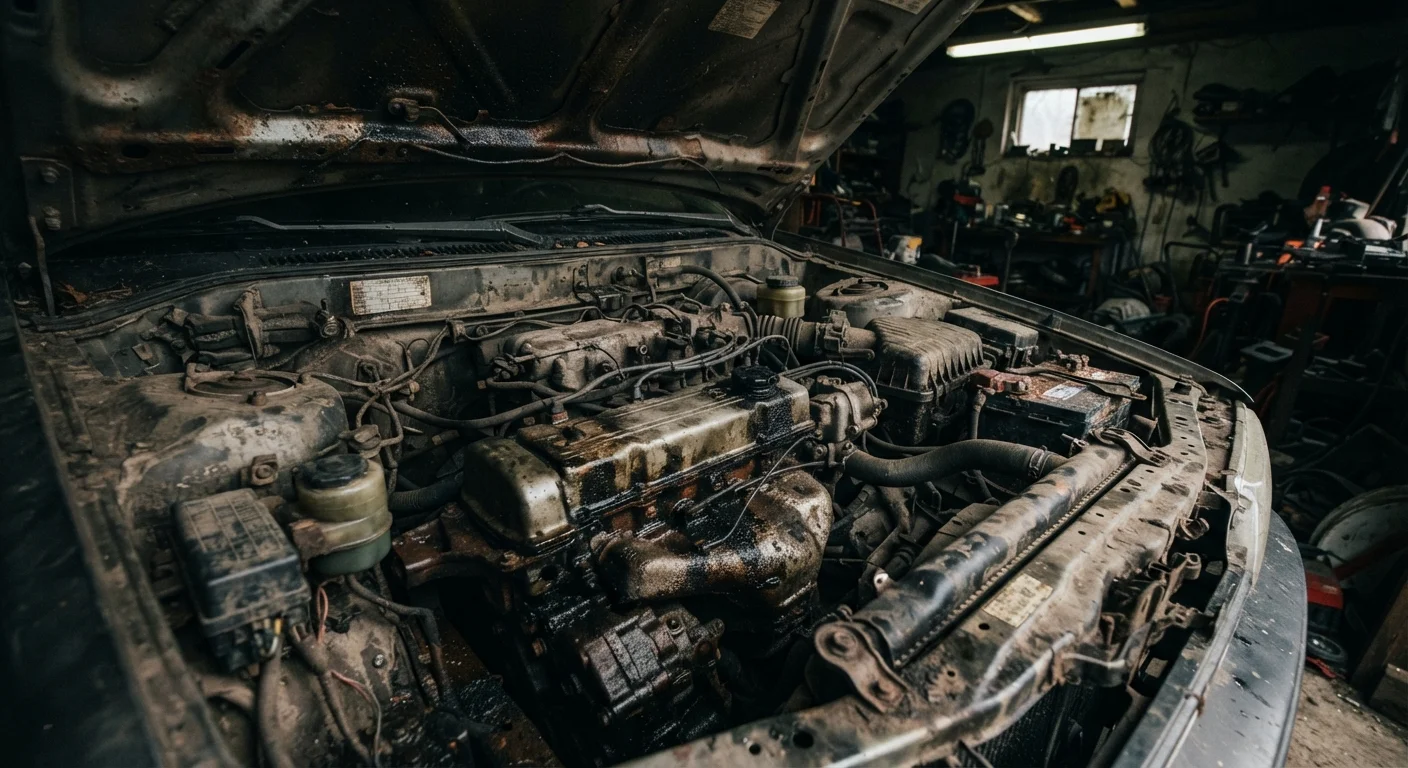
The most immediate risk is oil degradation. Engine oil breaks down over time and mileage, losing its ability to lubricate moving metal parts. Dirty, thinning oil causes friction, heat, and accelerated wear inside your engine. This is a process that has no obvious symptoms until the damage is already done.
For a clearer picture of what routine servicing actually covers, see our complete guide to routine maintenance - it breaks down exactly what each service interval includes and why it matters.
Engine Damage Can Be Irreversible
Old, degraded oil loses its ability to lubricate engine components, causing metal-on-metal wear that can permanently damage your engine. Once internal components are scored or seized, repair costs can reach thousands of dollars - or require a full engine replacement. Do not delay an oil service if you are past the recommended interval.
The Common Mistakes Drivers Make - And How to Avoid Them
Most service neglect is not deliberate - it comes from misunderstanding what a service does, or underestimating how quickly deferred maintenance compounds. Below are the most frequent errors drivers make, along with practical ways to avoid them.
Treating the service interval as a loose suggestion rather than a firm deadline.
Why it happens: When nothing feels wrong with the car, the service date feels easy to push back - especially when budgets are tight or schedules are busy.
Ignoring warning lights that appear between scheduled services.
Why it happens: Dashboard warning lights can seem cryptic or easy to dismiss, particularly if the car still drives normally after they appear.
Assuming a service is only about oil - and skipping it when oil was recently topped up.
Why it happens: Many drivers equate a service with an oil change, not realizing how many other checks and replacements are included.
Letting small fluid leaks or low levels go unaddressed between services.
Why it happens: Minor leaks are easy to overlook, and topping up fluids seems like a solution when it is actually just a delay.
Neglecting tyres because they are not part of a traditional service checklist.
Why it happens: Tyres wear gradually and unevenly, making the change hard to notice day to day until a problem becomes dangerous.
It is also worth separating fact from fiction before skipping a service based on a common belief. Our article on car maintenance myths that cost drivers money covers several widely held assumptions that can lead to costly decisions.
Skipping Services May Void Your Warranty
Many vehicle warranties and extended service plans require proof of servicing at manufacturer-specified intervals. Failing to maintain service records can leave you without coverage when you need it most. Always keep your service book stamped and retain receipts as documentation.
What Neglect Actually Costs You
The financial case for staying on schedule is straightforward. Routine services - oil changes, filter replacements, fluid checks - are relatively inexpensive. The repairs that follow from skipping them are not.
~$1,200
Average cost of a neglect-related engine repair
Industry estimates suggest that repairs resulting from deferred maintenance - such as oil-related engine damage - frequently run into four figures before parts and labor.
40%
Of roadside breakdowns linked to poor maintenance
According to general estimates cited by automotive safety organizations, a large proportion of non-accident roadside failures involve issues that routine servicing would have caught.
Beyond repair bills, there are secondary costs: reduced fuel efficiency as a dirty engine works harder, tyre replacements that come sooner due to uneven wear from misaligned or underinflated tyres, and lower resale value when a car has incomplete service records. Prospective buyers and dealerships routinely factor service history into their offers.
Understanding the full picture of car ownership costs - not just the purchase price - helps put servicing in perspective. The Car Ownership Basics hub is a good starting point for building that broader understanding, including how maintenance ties into insurance, warranties, and long-term ownership costs.